For Israel’s Neighbors in Middle East, the Election Offers Little Hope of a Reset
Politics · 28 October 2026
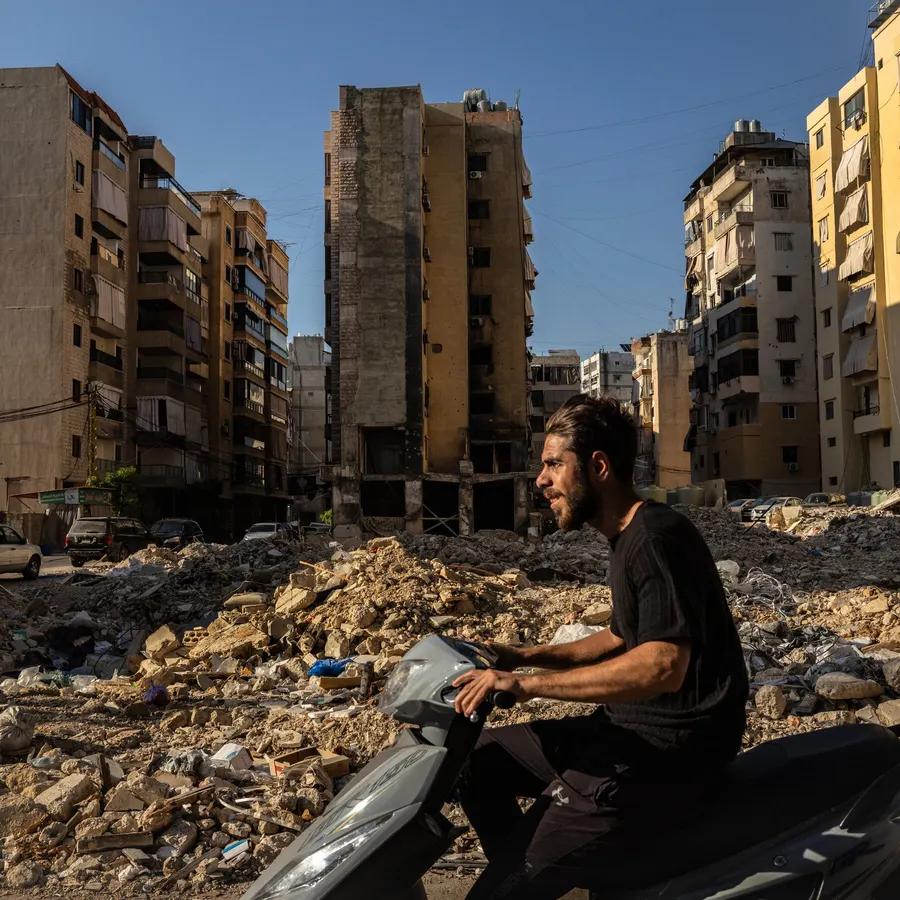
As Israel prepares for its upcoming election, neighboring countries in the Middle East do not anticipate significant changes in their relations with the nation. Many regional leaders express skepticism that the election results will lead to a resetting of diplomatic ties or a shift in the ongoing tensions that characterize the area. Instead, they view the electoral process as unlikely to produce any substantial breakthroughs in peace efforts.
Historically, Israel's relationships with its neighbors have been fraught with conflict, particularly concerning the Palestinian issue and broader regional dynamics. The election outcome is expected to have implications for Israel's stance on Iran, a country that has been a focal point of tension in the region. Observers note that the political landscape in Israel could influence how the nation engages with Iran, which has been a significant player in regional conflicts and a source of concern for many of Israel's neighbors.
The significance of the election extends beyond Israel's borders, as it could affect the balance of power in the Middle East. A shift in leadership or policy could alter the approach toward Iran and impact alliances among Arab nations. However, the prevailing sentiment among regional leaders is one of caution, as they remain doubtful that the election will yield a transformative outcome for their diplomatic relations with Israel.
While the election is imminent, the specific results and their implications remain uncertain. Analysts are closely monitoring the political developments, but until the votes are counted and a new government is formed, the future of Israel's relationships with its neighbors, particularly regarding Iran, remains unresolved.