
Women prosecuted for abortions in England and Wales receive pardon
About 150 women identified from police records will have their convictions, cautions and investigations deleted under a law taking effect on Monday, according to The Guardian.
By Natalia Estrada, London
3 min read
Women who were investigated or prosecuted for ending their own pregnancies in England and Wales are to have their criminal records cleared, a change that campaigners have described as historic, according to The Guardian. The pardon, set out in section 242 of the Crime and Policing Act 2026, takes effect on Monday 16 November and covers every woman investigated for ending a pregnancy over the past 150 years. The Guardian understands that about 150 women will be affected, identified from police records.
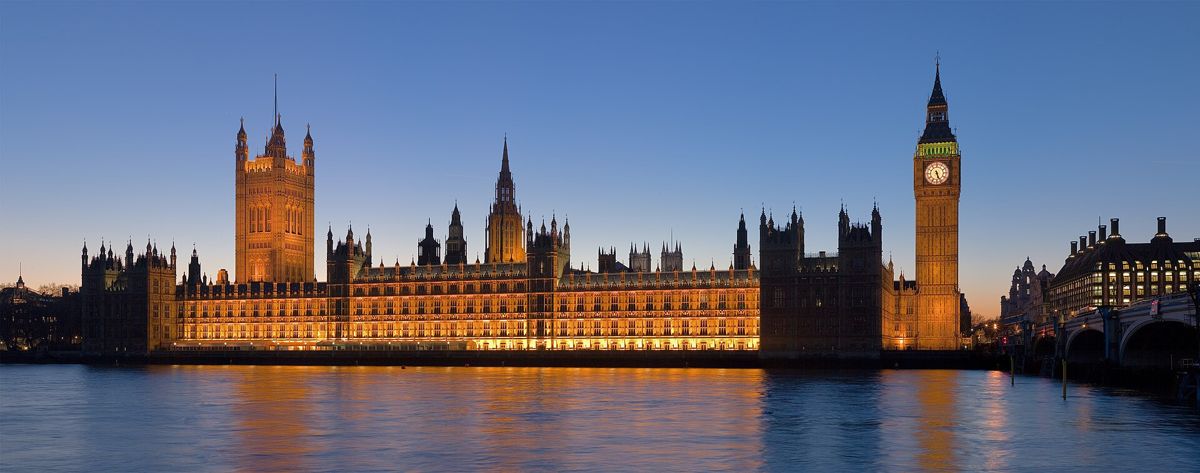
The measure follows votes in Parliament. A House of Lords vote earlier this year introduced legislation to pardon these women and expunge their records. The House of Commons had already voted to change the abortion laws so that women cannot be criminalised for ending their own pregnancies in future, while keeping the existing legal framework for terminations. Many of the earlier cases were brought under Victorian legislation dating back to 1861, the paper notes.
Once the change applies, details of convictions, cautions, arrests and police investigations linked to terminations will be deleted. The Guardian reports that this will allow women to work and travel without restrictions. Women do not need to apply or take any action, because police forces and courts will update the records themselves. The government has described the process as a priority. Alex Davies-Jones, the minister for victims and tackling violence against women and girls, said women can find out more online or contact a dedicated casework team.
Several of the women were prosecuted after ordering abortion pills online or obtaining them following a remote consultation, including during the Covid-19 pandemic. Some say they did not realise their pregnancy was beyond 24 weeks, and some had been victims of domestic abuse or coercive control. The Guardian cites Nicola Packer, who was cleared by a jury at Isleworth Crown Court in London last year after an almost five-year ordeal. Packer said: “it further validates the feeling that none of us should have been on trial, investigated or sent to prison.”
Packer also said the records had made it difficult for some women to get and keep jobs. Many of the women had no other convictions or cautions, but arrests shown on enhanced Disclosure and Barring Service checks meant some had to disclose traumatic medical events to employers, even though they were never charged with a crime.
Not all campaigners consider the pardon sufficient. According to the paper, some women are grateful but want a formal apology from the government. One woman said the pardon did not undo years of stigma, and that publicity around her case meant people in her community still knew who she was and where she lived.
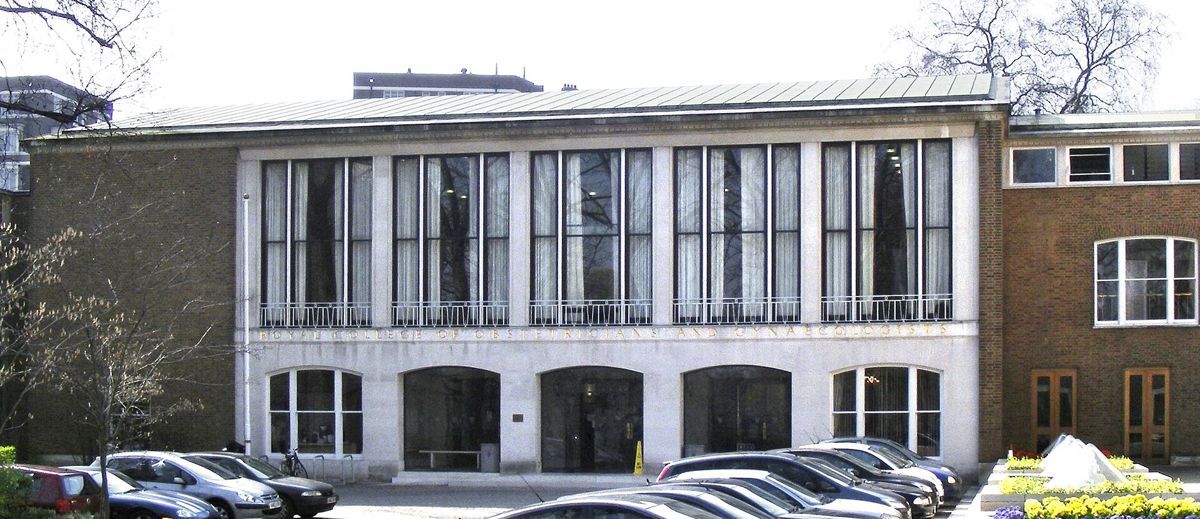
Dr Alison Wright, president of the Royal College of Obstetricians and Gynaecologists (RCOG), said the pardons recognised the injustice of historical convictions. Heidi Stewart, chief executive of the British Pregnancy Advisory Service (BPAS), said the change recognised the profound harm caused by criminalisation and was a meaningful step towards justice.