
Russia, Saudi Arabia and Australia named as biggest CO2 exporters in history
An analysis of fossil fuel exports since 1850 assigns responsibility to the countries that extract the fuel, not those that burn it, and places Australia third as it presides over the UN climate summit.
By Carmen Pardo
3 min read
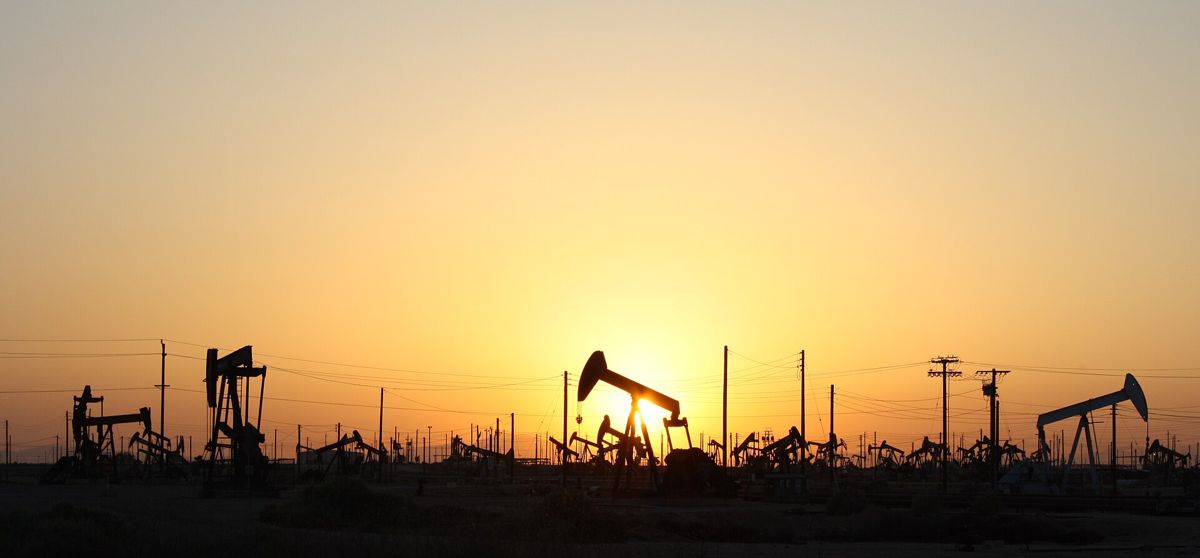
According to an analysis reported by The Guardian, Russia, Saudi Arabia and Australia are the three biggest exporters of carbon dioxide in history. The ranking covers fossil fuels extracted since 1850 and assigns the emissions from burning them to the country that exported them.
The analysis was conducted by Carbon Brief and seen by The Guardian. It differs from most assessments, which attribute emissions to the countries where the CO2 is released. According to The Guardian, Russia tops the list with more than 70 gigatonnes of CO2 linked to its exports of coal, oil and gas, up to the end of 2025. Saudi Arabia follows with about 60 gigatonnes, and Australia is third with more than 25 gigatonnes, not far ahead of Venezuela.
The newspaper notes that this method changes the picture. Exporting countries can rank low on lists of greenhouse gas emitters, because those lists are based on where fuel is burned. The same analysis finds that the United States and China, the world's two biggest current emitters, still bear greater responsibility for historical emissions than Russia, Saudi Arabia or Australia. The reason, according to The Guardian, is that both import large quantities of fossil fuels and also burn their own.
The findings come as Australia presides over this year's UN climate summit, Cop31, which is in its second week in Turkey. The Guardian reports that Australia has not set an end point for the use or export of fossil fuels, which make up about two-fifths of its export economy. On Monday, Australia circulated a first draft of a possible outcome that called for "the immediate transition away from fossil fuels in energy systems". The newspaper reports that many observers think that wording is unlikely to survive later drafts, and that Saudi Arabia, Russia and their allies oppose even having a cover text.
Louise Hutchins, convener of the Make Polluters Pay International Coalition, said: "This analysis tells you a lot about what's going wrong with climate negotiations."
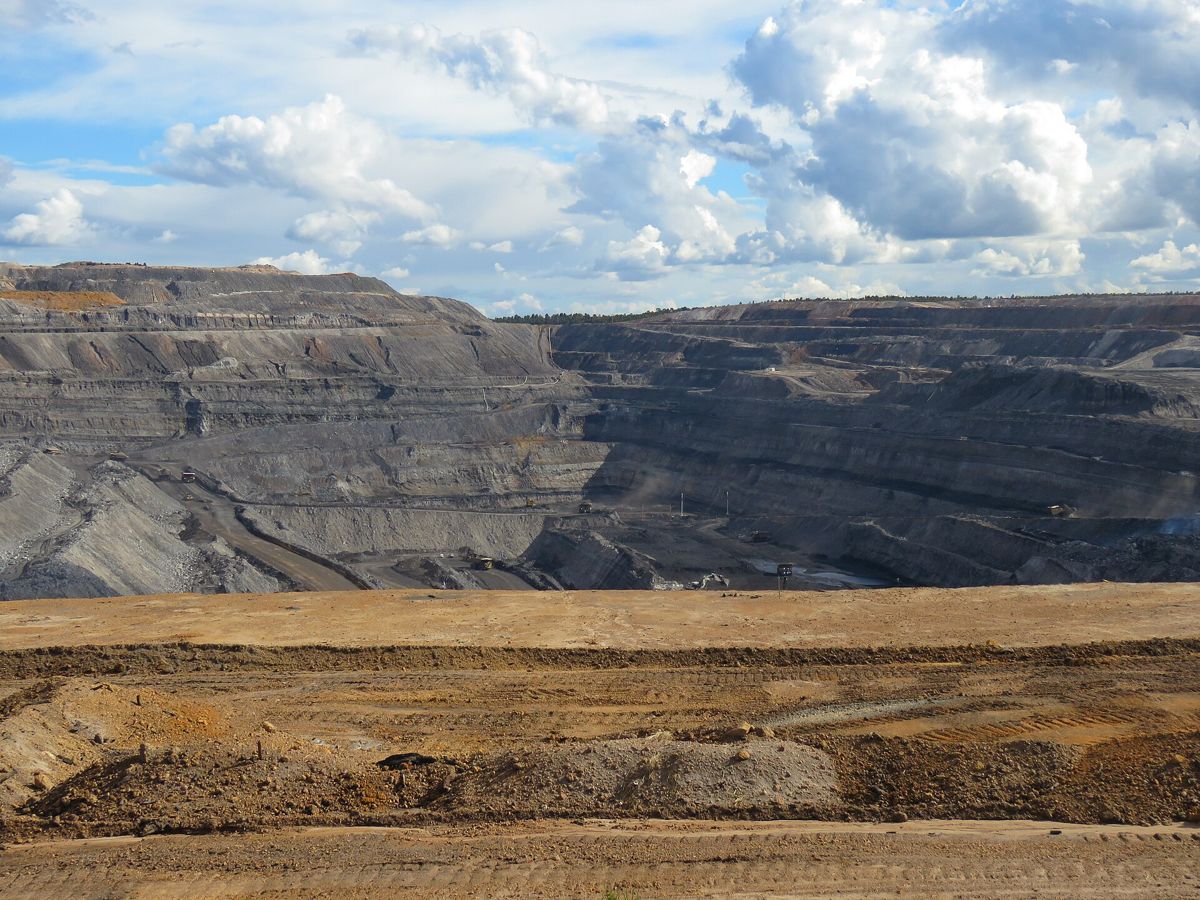
Separately, the thinktank Climate Analytics published its own analysis on Tuesday. According to The Guardian, it found that Australia appeared to have no plans to curtail its fossil fuel extraction, and that coalmines it has permitted would operate until 2088, long after countries are meant to reach net zero emissions, around mid-century. Its chief executive, Bill Hare, said Australia was not "doing its part", as the prime minister had claimed at the summit.
The Guardian also notes the domestic pressure on Anthony Albanese, Australia's prime minister, who attended Cop31 last week. At home, he faces a rising One Nation party, which rejects net zero and denies climate science.
A representative of Saudi Arabia's ministry of energy told The Guardian that the country accounts for about 1% of historical global CO2 emissions within its borders. The representative argued that exporters should not carry responsibility for emissions produced by consumers who decide how the oil is used. The statement also cited peer-reviewed research in Science and International Energy Agency data that, it said, show low carbon and methane intensity in Saudi operations.
Asad Rehman, chief executive of Friends of the Earth, called for an end to dependence on oil and gas and for richer nations to commit to a fair, fast and fully funded phaseout of fossil fuels, backed by public finance.