
Residents across England rally against surge in mega-warehouse developments
Campaigners say developers' 'greed' is behind near-universal approval of 'megasheds', which a Guardian analysis puts at 95% of applications over a decade.
3 min read

Residents across England are campaigning against a sharp rise in planning approvals for very large warehouses, which campaigners have called a "national scandal". According to an analysis of official figures published by The Guardian on Saturday, 95 per cent of the 9,009 planning applications for "megasheds" in England were approved in the 10 years up to June 2026.
The Guardian describes Jon Davis, who moved with his wife and toddler into a property in Bingham, Nottinghamshire, in June. A planning application for a plot next to his home proposed eight warehouses up to 21.5 metres high, around 400 heavy goods vehicles and a 24-hour operation. The newspaper says the application would add to more than 8,500 warehouses or large distribution units approved across England in the past decade, a growth it links to online shopping.
The Guardian's analysis found that of the 4,300 approvals in the last five years, nearly half (1,922) were in the east, south-east and north-west of England. It also counted 17 approvals inside national parks, which have stricter rules on major developments, including six in the South Downs since 2021. The paper says many planned developments are in areas now run by Reform UK, the party that has taken control of a number of councils.
In Astley, a village in Wigan, a public inquiry was held over warehouses licensed to operate around the clock and built metres from homes. Residents described the effects of noise, light and traffic as "torture". The Community Planning Alliance, an umbrella group for about 700 community groups, supported them. Its head, Marj Powner, told the Guardian that communities have very little power. She said developers have six months to appeal a refusal, while communities have no right of appeal against an approval and must rely on a judicial review, which she estimated could cost around £60,000 and must be launched within six weeks.
The Guardian also reports suggestions that government policy has made challenges harder. The National Planning Policy Framework, published in August, is said by some local groups to have made it more difficult for the public to challenge decisions.
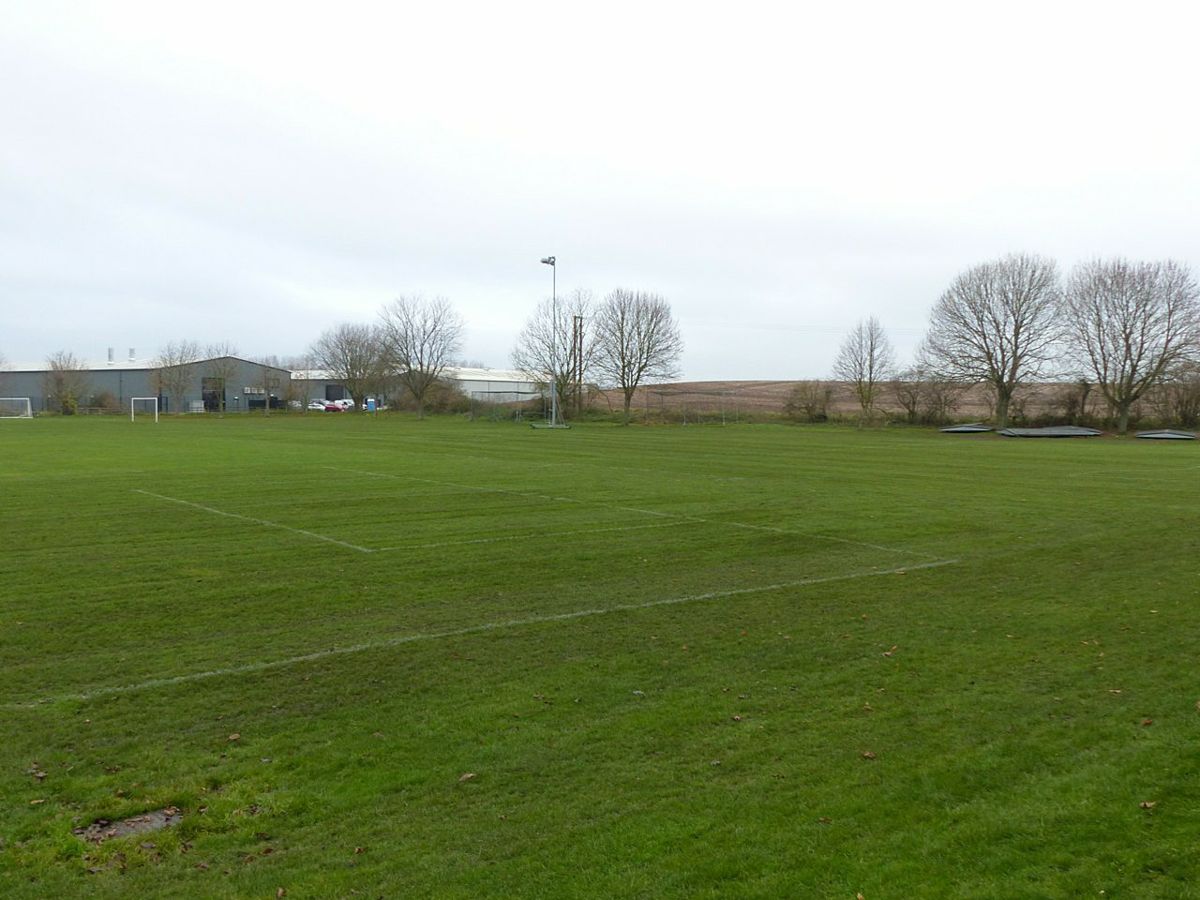
In Gibfield, Wigan, residents are opposing a 70-hectare development managed by the Peel Group, one of Britain's largest landowners, which is privately run by the billionaire John Whittaker. The developer described warehouses 12.5 metres tall, but residents told the Guardian that the raised ground level puts the real height closer to 15.5 metres relative to their homes. Amanda Coleman, who lives next to the site, said: "It's heartbreaking." The Guardian notes that a CPRE report found that 88 per cent of appeal approvals on so-called "grey belt" land were on sites that had never been built on, although the category was introduced in 2024 for previously developed land.
In Northamptonshire, campaigners have spent six years opposing two warehouses on a 60-hectare site next to a protected nature reserve for golden plover and lapwing. Sharon Cole, from the local group Staunch, has appealed the decision on the grounds that it breaches international law. She told the Guardian: "this is a national scandal across the country".
North Northamptonshire council said it had recognised "a range of strongly held views" but could not comment on possible legal proceedings. Wigan council said its cabinet had formally objected to the Gibfield proposals and that its chief executive had asked the Greater Manchester combined authority to remove the site from the plan. A spokesperson for Peel Land said official drawings, based on technical information and survey data, had been shared with the community during consultation.
Robert Jenrick, the Reform UK MP for Newark, which includes Bingham, has met the developer and the local council to discuss residents' concerns, according to the Guardian.