
Belgian strike against austerity grounds flights as government's future hangs in the balance
Air traffic controllers and unions walk out as Prime Minister Bart De Wever seeks agreement on spending cuts with his coalition partners.
By Juan de la Torre, Brussels
3 min read

Flights across Belgium were grounded on Monday as a national strike against the government's planned austerity measures caused widespread disruption, and the future of Prime Minister Bart De Wever's government remained uncertain.
The strike is a protest against a budget that would save €10 billion over the next few years. Belgium's deficit exceeds 5% of GDP, and the government is considering spending cuts, notably in healthcare, along with a VAT increase. Under the current EU fiscal framework, member states must keep deficits below 3% of GDP and public debt below 60% of GDP. De Wever, a Flemish conservative, has been locked in budget talks with his coalition partners for weeks.
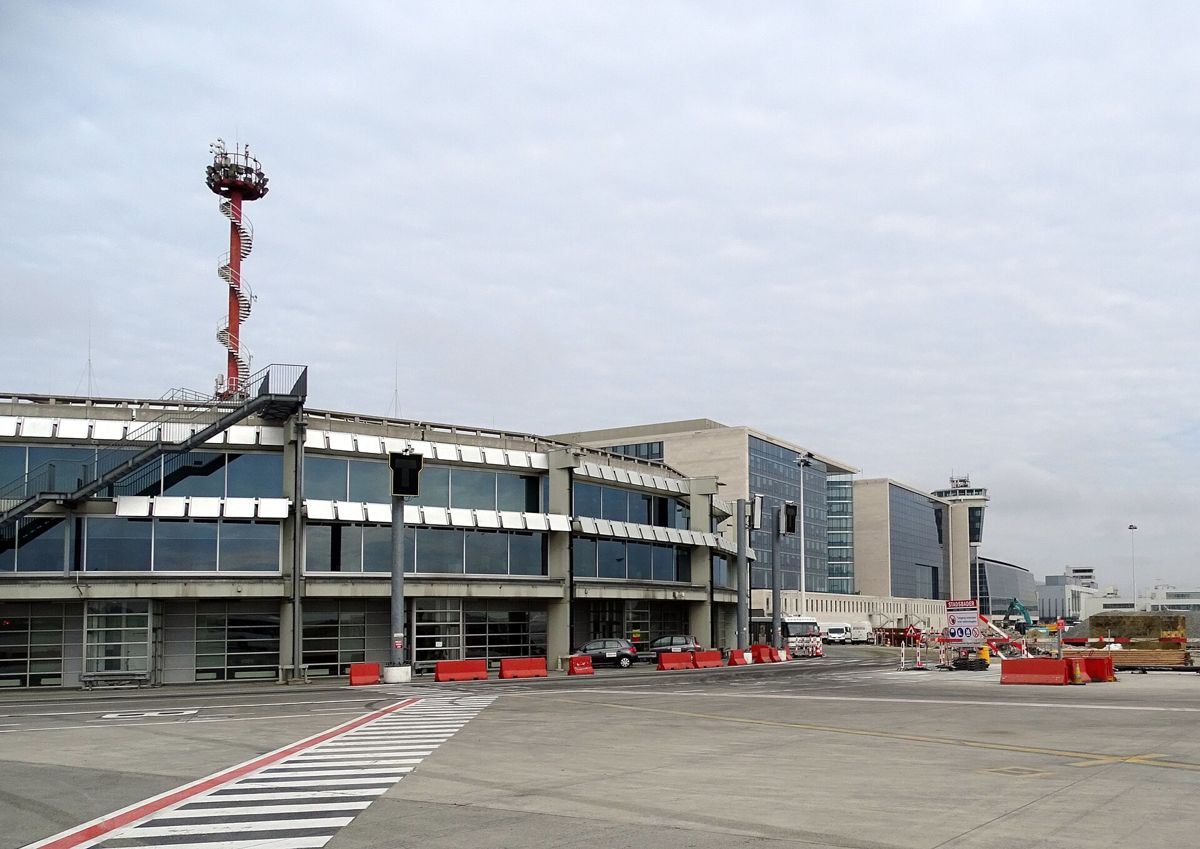
Air traffic controllers from Skeyes said they could not provide regular services at Belgian airports because staff had walked out. Brussels Airport at Zaventem was shut to all traffic between 07.00 and 21.00 CET on Monday, according to reports, and more than 50,000 travellers had their plans disrupted. Charleroi, the base for low-cost carriers including Ryanair, was also affected, and its flight listings showed all services as "scheduled" regardless of their departure or arrival times. The airport had warned on Saturday, when the action was announced, that without air traffic control no flights could take off or land. More disruption was expected overnight and on Tuesday.
Thousands of people gathered in Brussels for a protest march. Trains and underground services in the capital were also halted, and public transport, schools and other public services faced disruption across the country.
Bert Engelaar, head of the FGTB, one of Belgium's main trade unions, said the government had alternatives to dismantling the social protection system. He pointed to "A genuine wealth tax, fair taxation, and the elimination of tax loopholes." Engelaar also praised the left-wing Vooruit party, the only member of the five-party governing coalition reported to have stalled efforts to agree the budget. Vooruit wants higher taxes on the rich and fewer cuts to pensions and the health sector. Ann Vermorgen of the CSC, another union, criticised plans to cut public holidays that fall on weekends.
The political pressure is also acute. De Wever offered his resignation to King Philippe on 2 November over the budget impasse. The monarch refused to accept it and gave him more time to find a solution. On Monday, De Wever was due to report to the king for the third time in a month on his progress with coalition partners. Divisions within the coalition remain, particularly with Vooruit, and the unions are pressing for higher taxes on high earners to offset some of the cuts.
It remains unclear whether the government can agree a budget in the coming days. The strike action is expected to continue to affect flights, trains and public services in the coming hours.