
EU prepares new Russia sanctions targeting banks, ex-soldiers and sports
The European Commission proposes a visa ban on former Russian soldiers, the disconnection of about 60 banks and new limits on Russian athletes. EU governments must agree unanimously.
By Juan de la Torre, Brussels
3 min read
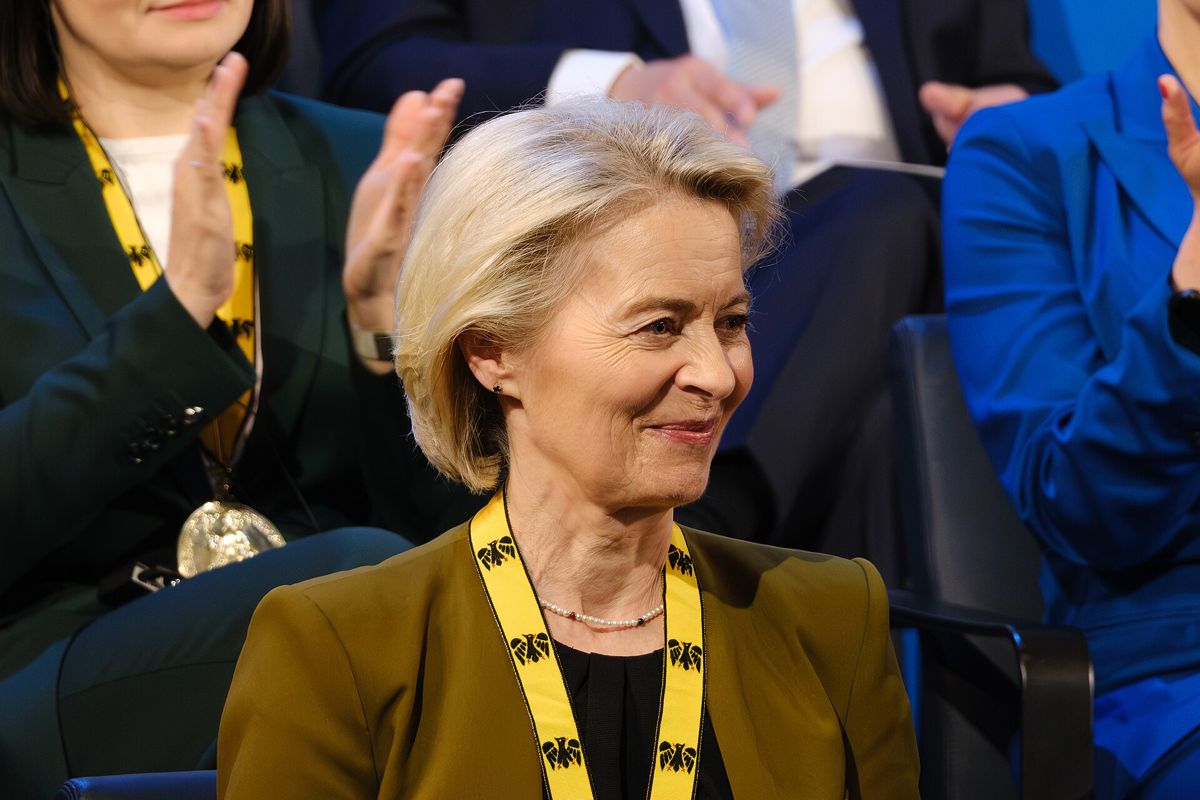
The European Union is preparing a new package of sanctions against Russia that would target its banks, former soldiers and sports sector. The European Commission, the EU's executive arm, announced the proposal on Monday, 23 November. Commission President Ursula von der Leyen presented it in a prerecorded video message. It is the 22nd sanctions package since Russia's full-scale invasion of Ukraine in February 2022.
The proposals now go to the EU's 27 member states, which must agree on sanctions unanimously. Several diplomats have said they hope to reach a deal by the end of the year, while Brussels has spoken of a deal in December, before the winter break. The Commission's plan is not guaranteed to pass intact.
The package follows a difficult year for EU sanctions policy. In July, a measure on liquefied natural gas shipments was weakened during negotiations over the 21st package, and France and Italy opposed a plan to ban former Russian combatants from entering the bloc. In September, two Russian oligarchs were removed from the EU sanctions list. Last week, the Commission created a dedicated sanctions office to design and co-ordinate restrictive measures.
One of the main measures would restrict visas for former Russian soldiers. The EU agreed a legal framework for such restrictions in its previous package but has not yet applied them. Von der Leyen linked the proposal to a recent rise in covert Russian operations in Europe. Denmark has asked for tighter visa rules after authorities foiled an alleged Russian plot to assassinate a US-Ukrainian rapper on Danish soil, an attack attributed to Russian services. "Russian ex-combatants pose a security risk to Europe. They cannot be allowed to wander freely across our countries," von der Leyen said.
On the financial side, the Commission wants to disconnect about 60 more Russian banks from the SWIFT international payments messaging system. It also targets cryptocurrency and payment networks used to get around sanctions, and says third countries that help Moscow evade the measures could be included. A crypto sanctions taskforce has been set up to support this work.
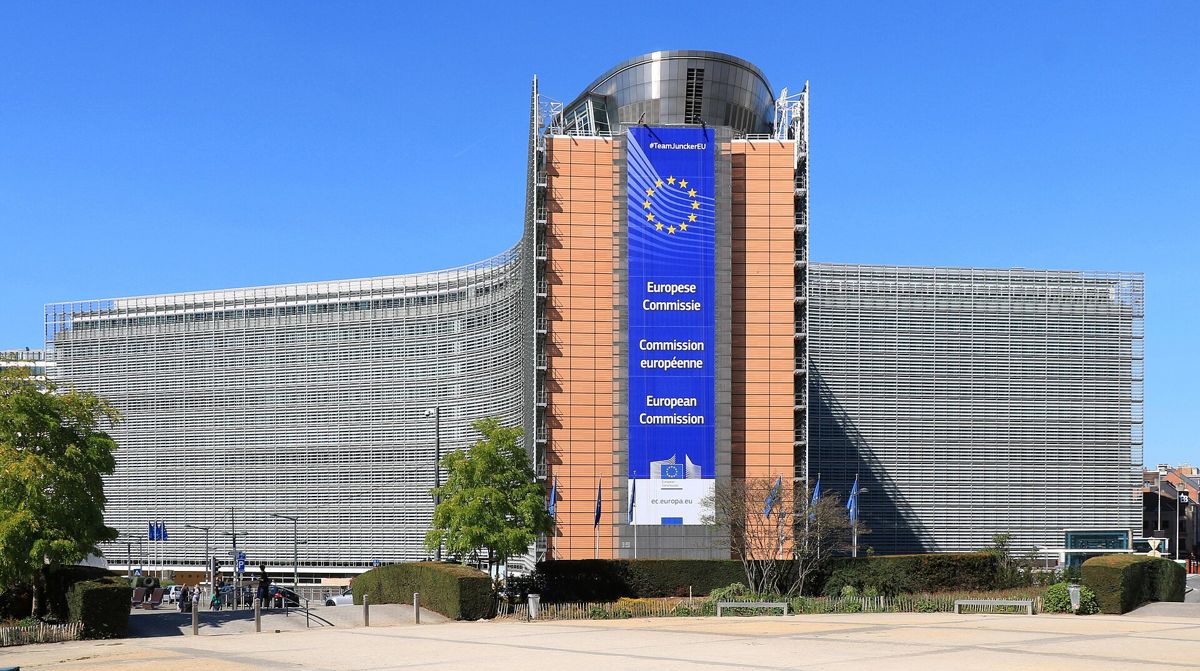
The energy measures would bar European companies from repairing Russian refineries damaged in Ukrainian drone attacks. The Commission also proposes adding more than 70 vessels to its list of the so-called shadow fleet, which Moscow uses to export oil and other commodities, and banning tanker vessels from Russia. EU citizens would no longer be allowed to sit on the boards of Russian companies.
Sports and culture form a new element of the package. The Commission proposes barring Russian teams and athletes from competing in the bloc, banning the display of official Russian symbols, and restricting financial flows from Russian sponsors to European sports and cultural associations. It would also prevent Russians from holding posts in the governing bodies of European sports federations. The measure would stop Russia returning to next year's ice hockey world championship in Germany. An arbitration court had ruled that the International Ice Hockey Federation lacked sufficient grounds to exclude Russia from the tournament. The proposal comes after the International Olympic Committee lifted its suspension of Russian athletes in July, ahead of the 2028 Los Angeles Olympics, a decision that drew criticism across Europe.
"We're giving Ukraine the strength to secure a peace. And Russia, every reason to choose it," von der Leyen said. Ukrainian President Volodymyr Zelenskyy is due to attend a special EU summit in Brussels later this week.