
Kilmar Ábrego García leaves US for Spain after long legal fight
The Salvadoran man at the centre of a months-long battle over his deportation has left the United States, his lawyers said, with US authorities confirming he is travelling to Spain.
3 min read

Kilmar Ábrego García, a Salvadoran man whose case became one of the most closely watched immigration disputes in the United States, has left the country of his own volition and is travelling to Spain. His lawyers confirmed the departure on Tuesday, and the Department of Homeland Security (DHS) said he was heading to Spain.
Ábrego, who is 31, entered the US illegally as a teenager and has lived for years in Maryland, where his American wife and child live. In 2019, an immigration judge ruled that he could not be sent back to El Salvador because a gang there had threatened his family. He was allowed to live and work in the US under the supervision of Immigration and Customs Enforcement (ICE), but he was never granted residency.
In March 2025 he was arrested in Baltimore and deported to El Salvador, where he was held in Cecot, a Salvadoran mega-prison. The administration of President Donald Trump later described the removal as an "administrative error". He was returned to the US three months later after a ruling by the Supreme Court. In June 2025 the government brought him back, after public pressure and a court order, but only after securing an indictment for human smuggling in Tennessee. A federal judge dismissed that case in May, finding that the prosecution had been pursued to punish Ábrego for challenging his deportation. The government has appealed.
Since his return, Ábrego had been fighting a second deportation. The administration named several African countries, including Uganda, Eswatini, Ghana and, most recently, Liberia. Ábrego said he would prefer to be sent to Costa Rica. A March 2026 memo by Todd Lyons, then acting director of ICE, argued that sending him to Costa Rica would be "prejudicial to the United States" and said he should go to Liberia, even though the US had an agreement with Costa Rica to accept deportees who could not legally be returned to their home countries.
The accounts of how he came to leave differ. Reports said he had reached a deal with federal authorities to depart voluntarily and avoid being forcibly removed. Other reports said a judge had told him to self-deport on Tuesday, citing a source familiar with the matter. The reports do not say which of these arrangements led to his departure.
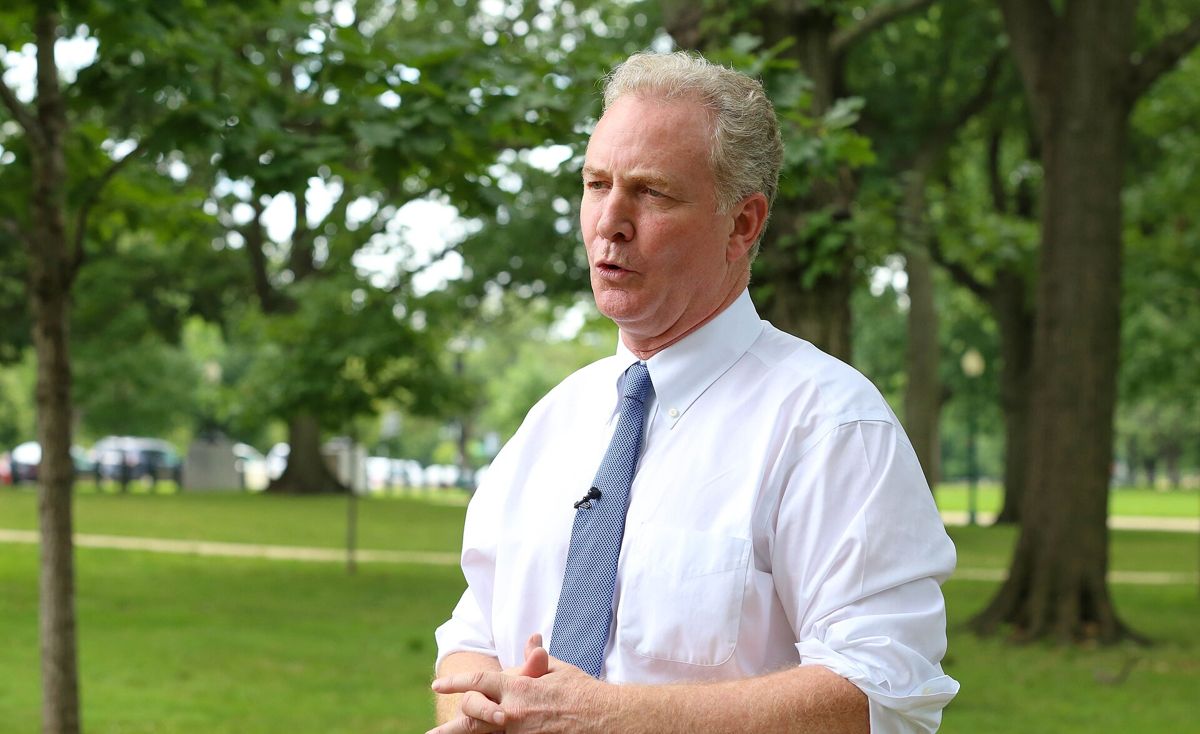
US senator Chris Van Hollen, who has pressed for Ábrego's case and met him in El Salvador last year, welcomed the move. "I am relieved that he will be safe, in a country of his choosing, and free," Van Hollen said in a statement. He said the administration had been pursuing what he called a vindictive prosecution and had tried to send Ábrego against his will to countries known for human rights abuses.
The reports do not say when Ábrego will arrive in Spain or what he will do there. Spain has no direct role in the case in the sources available, and the appeal against the dismissal of the Tennessee charges remains pending.