
Scientists predict 2026 will be the hottest year on record as climate talks open
Berkeley Earth says it is 95 per cent confident 2026 will beat the 2024 record, while the UN's weather agency is more cautious, as COP31 begins in Turkey.
By Carmen Pardo, Antalya
3 min read
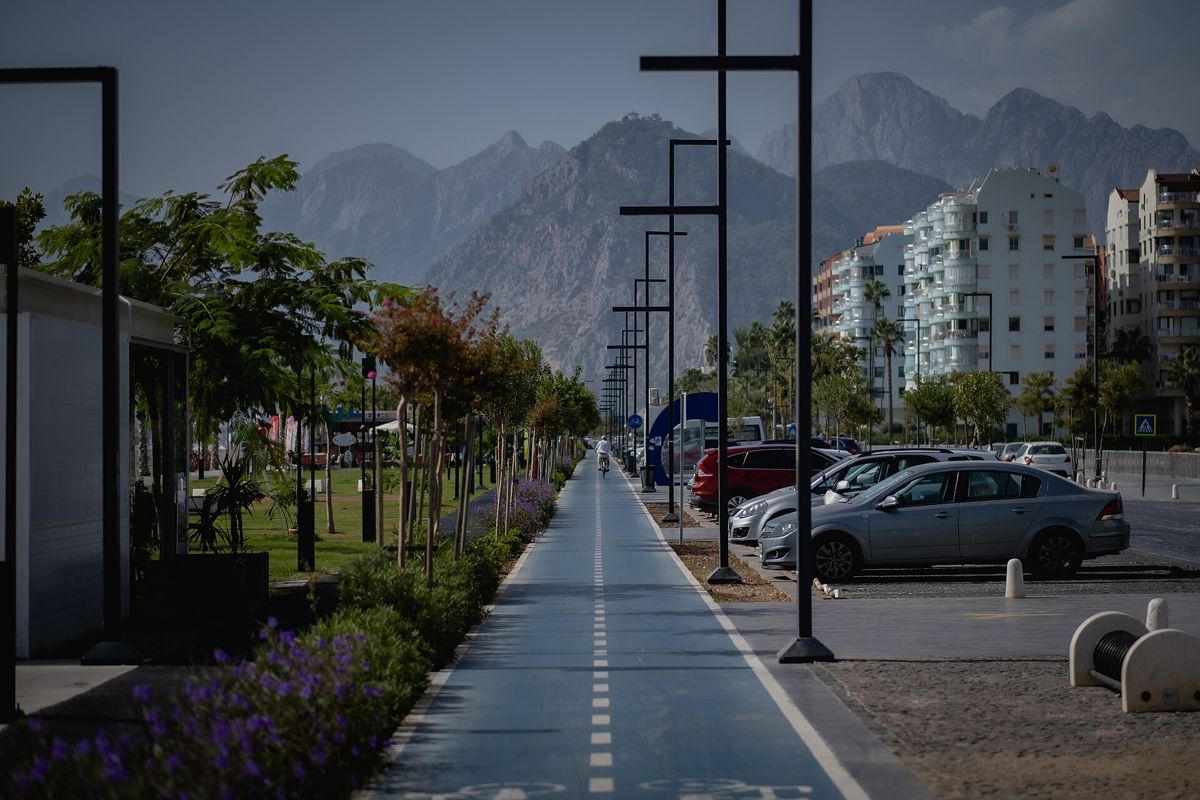
The world is on course for its hottest year on record, according to scientists who spoke to the BBC, as world leaders and negotiators gather in Antalya, Turkey, for the opening of COP31, the latest UN climate summit.
Berkeley Earth, an independent US research group, told the BBC that even with two months of 2026 still to go, it is 95 per cent confident the year will surpass the record set in 2024. The BBC reports that the forecast reflects warming from climate change combined with El Niño, a natural climate pattern that releases heat stored in the oceans.
The World Meteorological Organization (WMO), the UN's weather and climate agency, published its own report on Monday. The BBC says it is more cautious than Berkeley Earth, forecasting that 2026 will be among the four warmest years on record. It also expects no let-up in 2027, as an unusually powerful El Niño continues into next year and pushes temperatures higher. WMO Secretary-General Celeste Saulo told the BBC that the El Niño effect "doesn't add new heat to the planet", but releases heat from the ocean, which is the warmest ever measured.
The BBC also reports that the EU's Copernicus climate service confirmed on Friday that October had been the hottest on record. Dr Robert Rohde of Berkeley Earth warned that this was only the start: "There is potential for much larger and much more dramatic changes down the line."
According to the BBC, the main driver of rising temperatures is the growing concentration of carbon dioxide in the atmosphere, largely from burning fossil fuels. About 90 per cent of the extra heat trapped by greenhouse gases has been absorbed by the oceans. The BBC cites the 2.8C of warming the world is currently on track for above pre-industrial levels by the end of the century, which it says would all but guarantee exceeding the 1.5C goal set under the Paris Agreement.
The BBC notes that the extreme weather of recent months has been felt acutely by countries attending the talks, including wildfires across Europe and a sudden glacier collapse in Nepal that killed more than 1,000 people, according to the broadcaster. Negotiators have traditionally focused on cutting emissions, but more countries now have to combine that with adapting to new extremes, the BBC reports.
Negotiations are expected to last two weeks. The Turkish government wants this year's discussions to focus on a new goal for electrification and on reducing waste in energy systems, the BBC says. Early EU drafts seen by the broadcaster would only support an electrification goal if it did not allow countries to meet it using gas. Saudi Arabia and Russia have previously pushed for gas as an interim, "cleaner" fossil fuel, the BBC reports.
On finance, wealthier nations agreed at earlier meetings to triple the money for developing countries' climate adaptation to at least $85bn (£63bn) by 2035. The BBC cites 2024 data showing that about a third of that figure has been reached. The UN's climate chief, Simon Stiell, is expected to tell governments that no single summit is a silver bullet, the BBC reports, and that the urgency of the moment must drive progress.