
Scotland issues amber alert as blood donor numbers fall to unprecedented lows
Hospitals have been asked to use Type O blood only when essential, after stocks dipped below two days' supply on several occasions, according to the BBC.
By Carmen Pardo
2 min read
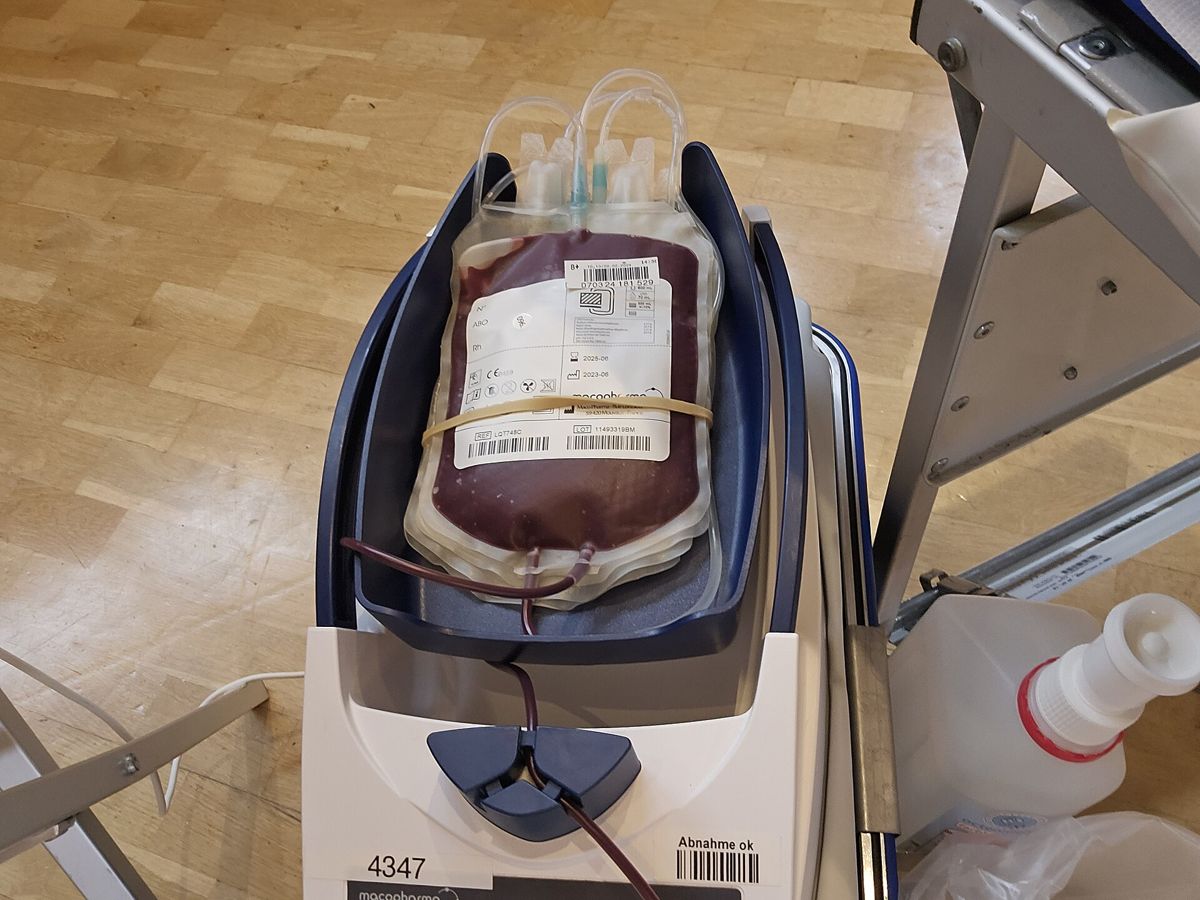
An amber alert has come into force in Scotland for the first time, after blood stocks fell to unprecedented low levels because of a shortage of donors, the BBC reports. The warning was sent to hospitals across the country by the Scottish National Blood Transfusion Service (SNBTS), which asked medical staff to use Type O blood only when it is essential.
Type O is particularly important for transfusions. O-negative blood can be given to almost any patient, and O-positive is the most common blood type in the UK, held by about 35% of the population, according to the broadcaster.
The BBC says stocks have been below target for several weeks. Group O blood has fallen below two days of reserves on several occasions recently. The SNBTS aims to keep five to seven days of supply for every blood group at all times.
The alert follows a fall in people joining the blood donation register. The SNBTS told the BBC that the number of donors had dropped by 24% over the past decade, about 30,000 people. The service said it was struggling in particular to attract younger donors.
Hospitals need an estimated 135,000 units of blood a year. The SNBTS said that to meet this, appointments at its five national donor centres in Aberdeen, Dundee, Edinburgh, Glasgow and Inverness would need to be fully booked all year round. On average, only 85% of appointment slots are filled.
Debbie McNaughton, the SNBTS director of donor and transport services, told Radio Scotland Breakfast that about 2% of Scotland's population is signed up to give blood, and that most of those donate once a year. "If they could be donating maybe twice or three times a year, that would hugely help to provide resilience for the blood supply," she said, as reported by the BBC. She urged anyone who is healthy and aged 17 or over to sign up to the donor register.
The alert will trigger new protocols in hospitals aimed at reducing non-essential use of Type O blood. Emergency operations, blood transfusions, transplants and cancer surgery will continue as normal. The alert has been issued for an initial period of four to six weeks and will be kept under close review, the BBC reports.