
Indian court orders probe into library books suspected of being AI-generated
Anti-corruption investigators in Tamil Nadu will examine purchases at a newly opened library in Coimbatore, after writers questioned the authenticity of its books, according to the BBC.
By Jaime IA, Coimbatore
3 min read
According to the BBC, an Indian court has ordered an investigation into claims that a public library in the southern state of Tamil Nadu bought hundreds of books that may have been generated using artificial intelligence (AI).
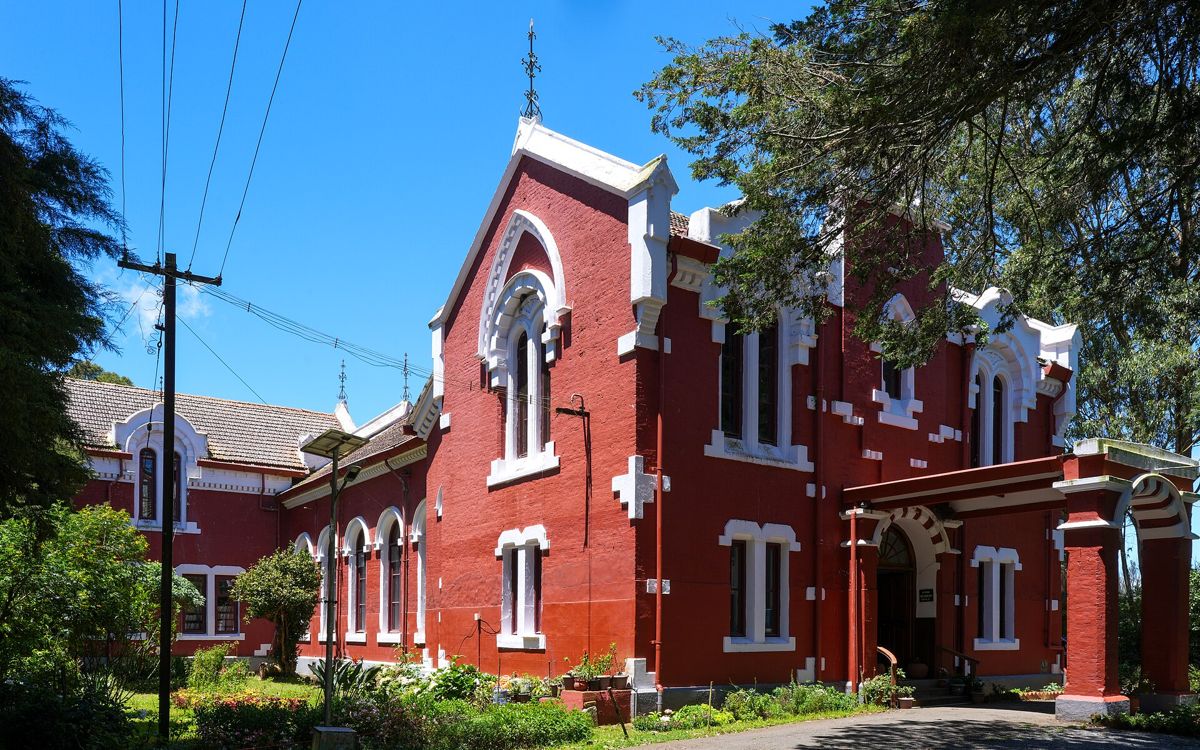
The Madras High Court has told the state's anti-corruption agency to examine the purchases and to freeze bank accounts linked to a publisher accused of supplying the books, the BBC reports. The case centres on the Periyar Arivulagam library in Coimbatore, a city in the state. Named after the social reformer Periyar EV Ramasamy, it cost about 3bn rupees ($34m; £26m) to build and was opened on 16 October by Chief Minister C Joseph Vijay, who leads the state government.
The affair began when Tamil novelist Perumal Murugan, whose novels Pyre and One Part Woman have won international recognition, raised concerns after visiting the library last month. Writing in an online magazine, he alleged that nearly 1,800 books in its Tamil section had been supplied by a little-known publisher, Agal Vilakku Pathippagam. He said many carried unfamiliar authors' names, unusually high prices and questionable International Standard Book Numbers (ISBNs), the codes used to identify books.
The BBC describes several examples. One title, priced at 1,445 rupees for 300 pages, presents the classical Tamil work Naladiyar as the writings of a poet and philosopher, although the original consists of 400 four-line verses on morality and ethics. Another reportedly credits the ancient poem Madurai Kanchi to the wrong author. The BBC notes that it remains unclear whether AI was used to produce any of the disputed books.
A book held at another public library, in Madurai, names the economist Jean Drèze as its author. The BBC reports that Drèze did not respond to its request for comment, but told The Hindu newspaper that he had not written it, raising the possibility that his name was used without permission. BBC Tamil also visited a Chennai address listed by Agal Vilakku and by another publisher named in the affair, Phoenix Publishing House, and found no signs identifying either business. A woman there confirmed that Agal Vilakku operated from the address. Its proprietor, Mohan, declined to comment, saying the matter was before the courts.
More than 160 writers, researchers, artists and publishers have signed a joint statement calling for an independent inquiry, the release of procurement records and an audit of library collections across Tamil Nadu, the BBC says. They also want public money recovered if the investigation finds it was misused. The signatories asked how the disputed books could have passed through a selection process involving expert committees, price negotiations and several levels of review.
The School Education Minister, A Rajmohan, has described the allegations as potentially "India's first AI scam", and said the investigation would cover purchases at other public libraries in the state. According to the BBC, he said 523 books had been removed from the historic Connemara Public Library in Chennai after preliminary checks raised doubts about their authenticity and quality, and that disputed books had also been taken out of Periyar Arivulagam. The state government has also ordered an internal audit of public library collections.
The affair has become a political dispute. Rajmohan blamed the previous administration, led by the Dravida Munnetra Kazhagam (DMK), a major Tamil party, for ordering the books, and said the state would seek to recover public money if wrongdoing was found. The DMK has rejected the allegations as politically motivated and called for an investigation into the purchases. The BBC notes that the case has also raised wider concerns about how easily AI tools can produce whole books that contain false information and invented references, and how hard it is for libraries and publishers to verify them.