
India pledges about $1.6bn to Nepal as the two countries reset ties
Prime Minister Balendra Shah's first bilateral visit abroad produced a flood reconstruction package, a new cross-border train link and a set of trade and energy agreements.
By Juan de la Torre, New Delhi
3 min read
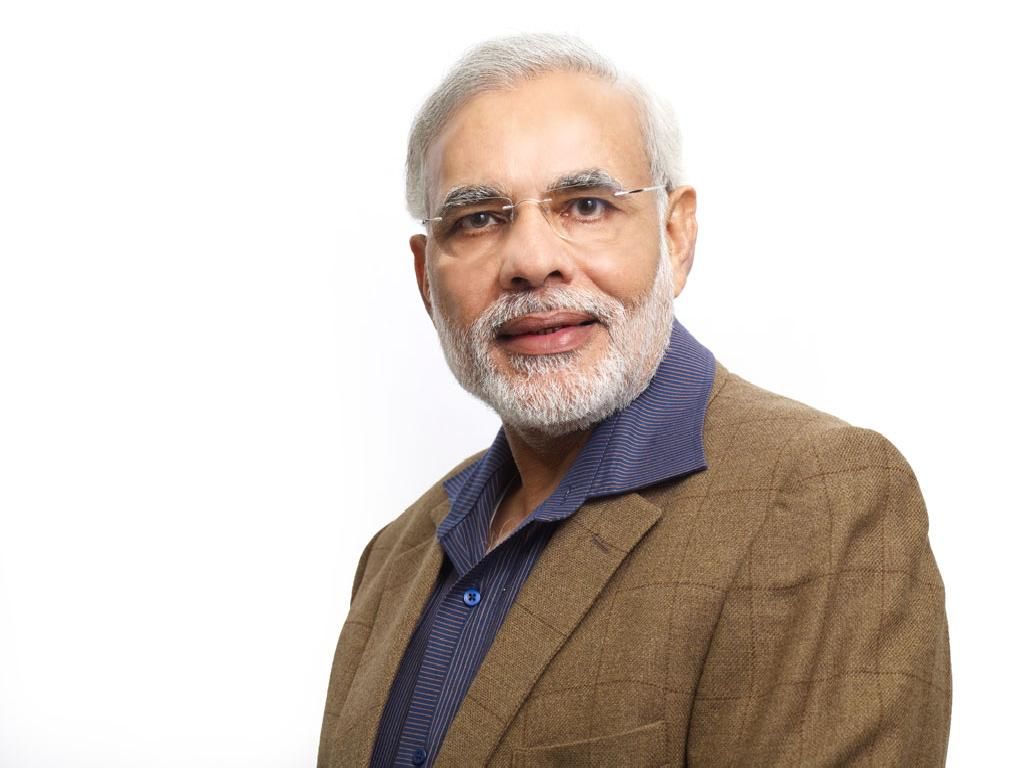
Nepal's Prime Minister Balendra Shah, who took office in March, began a two-day visit to New Delhi on Monday, his first bilateral trip abroad since coming to power. After talks with his Indian counterpart, Narendra Modi, India announced a development package worth about $1.6bn to help Nepal rebuild after floods in August. Both governments presented the visit as a reset of ties strained by years of friction.
Nepal is a landlocked Himalayan country between India and China, and has long had to manage competing interests from both. India is its largest trading partner, accounting for more than 60 per cent of imports worth $8.6bn, according to World Bank figures cited in reports. China accounts for 13 per cent, or $1.8bn. Allegations of political interference and an unresolved border dispute have often complicated relations with India.
Shah rose to power after Gen Z-led protests toppled his predecessor, KP Sharma Oli, a communist leader widely seen as closer to China. Shah, a former rapper, led a party that was only four years old when he was elected.
The floods were triggered when part of a mountain glacier collapsed on August 26, sending water and mud into the Rasuwa and Nuwakot regions of Nepal and into China's Tibet region. Scientists cited in reports link the floods to climate change. Figures for the death toll differ: one set puts confirmed deaths above 1,300, with more than 5,000 people missing, while another puts deaths above 1,400, with thousands still missing. The government estimates that reconstruction could cost as much as $4.8bn. In October, the United Nations' climate loss and damage fund set aside $20m for Nepal.
Modi said: "We express our deep condolences for the loss of lives caused by the devastating floods in Nepal in August." He announced a package worth 240 billion Nepali rupees, about $1.6bn. According to a joint statement, it includes a $1.24bn line of credit for energy projects and a $377m grant for reconstruction and infrastructure, although another report gives the grant component as about $400m.
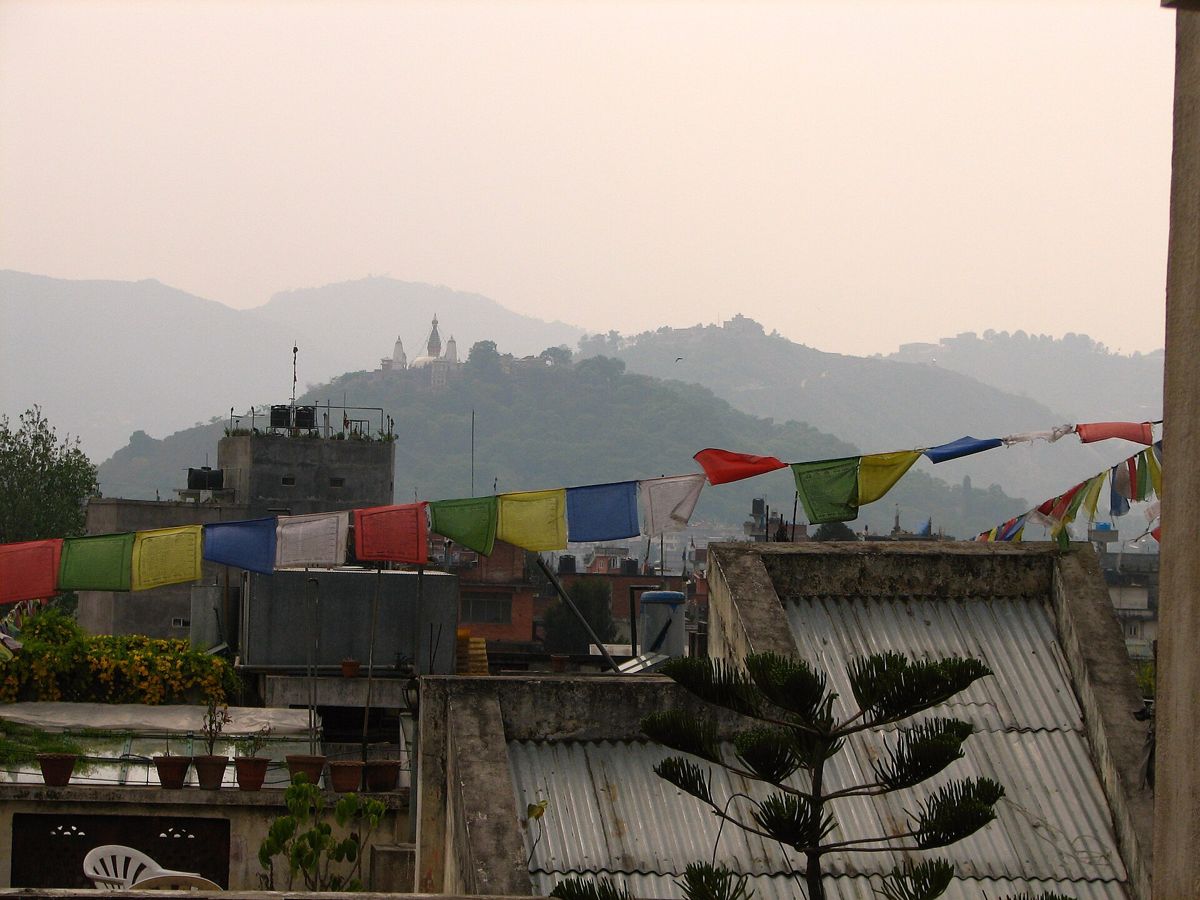
The two sides also agreed on cooperation in education and research, satellite communications and sustainable urban development. Nepal secured access to two more Indian ports, Kandla and Paradip, and the leaders jointly opened a train linking Ayodhya in India, revered by Hindus, with Janakpur in Nepal. India agreed to make an existing air route linking Kathmandu, Bhairahawa and Lucknow bidirectional, but did not agree on the airspace access Nepal has sought for its Bhairahawa and Pokhara airports. Some analysts link that to Indian concerns over Chinese involvement in those projects.
The border dispute was largely absent from the leaders' public remarks, although the joint statement acknowledged that outstanding issues remain. Govind Pokharel, a former vice-chairman of Nepal's National Planning Commission, said Shah's government may have set contentious issues aside to secure progress on more immediate development needs. Anil Trigunayat, a veteran Indian diplomat, said both sides appeared to have left the dispute to established mechanisms.
Shah thanked India in his own remarks: "May the friendship between Nepal and India be one where trust stands as tall as the Himalayas."