
Iran denies talks with US and says Hormuz will stay shut until its demands are met
Tehran says it is still waiting for a US response to its seven conditions, as attacks on shipping in the Strait of Hormuz continue, according to Al Jazeera.
3 min read
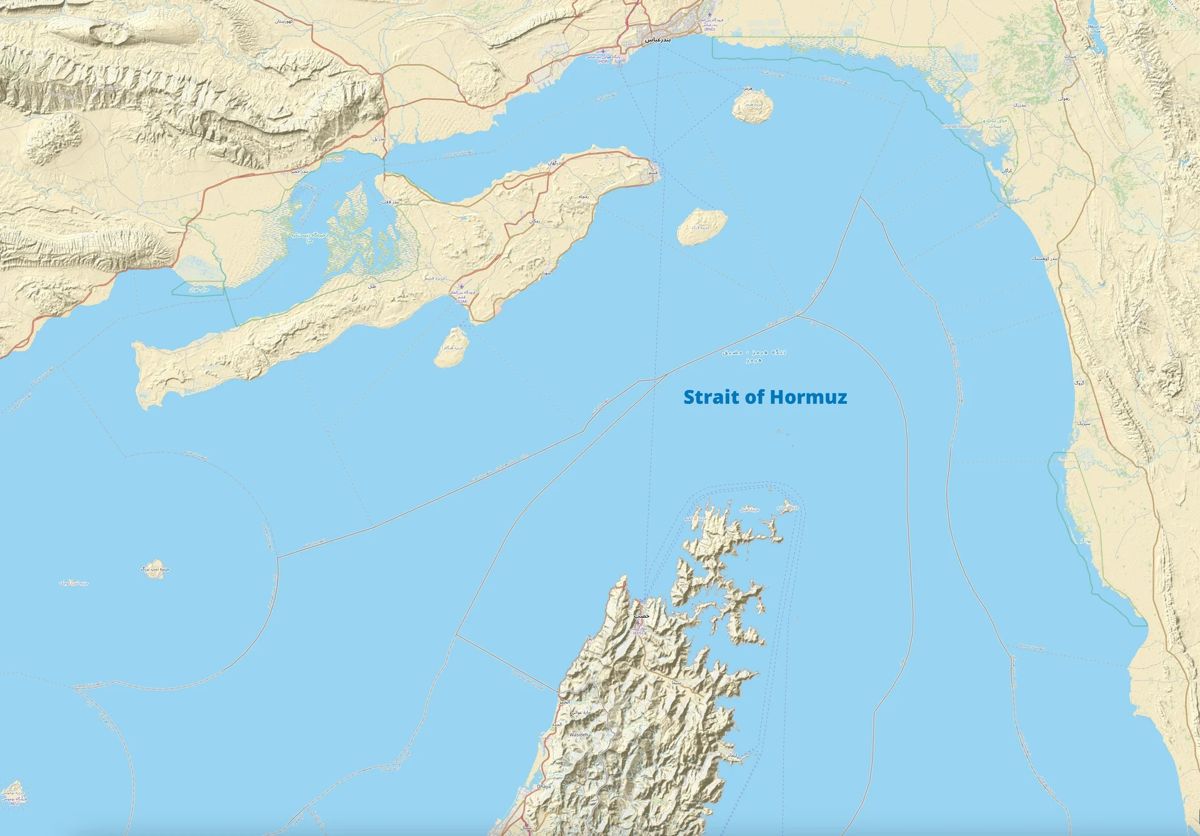
Iran has denied holding talks with the United States and said the Strait of Hormuz will remain closed until Washington meets Tehran's demands, Al Jazeera reported. The statements came from Mohsen Rezaei, Iran's security chief, who told Lebanon's Al Mayadeen TV on Tuesday that reports of continuing negotiations, or of a meeting in Qatar, were false.
The remarks come during a war between the United States and Israel on one side and Iran on the other, now in its ninth month. The conflict has disrupted oil and gas supplies and pushed up prices around the world. Qatar is acting as a key mediator. On Monday, US President Donald Trump met Qatar's Prime Minister, Sheikh Mohammed bin Abdulrahman bin Jassim Al Thani, at the White House. Trump said he saw positive momentum towards ending the conflict and that new attacks on Iran were unnecessary, according to Al Jazeera.
Rezaei said Washington was talking up negotiations to ease economic pressure and bring down oil prices. He said the initial US response to Iran's conditions was insufficient and deceptive. "We are still waiting for an explicit and clear response," he said, according to Al Jazeera's account of his interview.
Iran has not published the full list of its seven conditions. Rezaei and Foreign Minister Abbas Araghchi have said it includes lifting sanctions and the US naval blockade, and ending fighting on all fronts, particularly Israel's attacks on Lebanon. Araghchi has said the strait could reopen within two days if those demands are met. In comments to the state news agency IRNA on Tuesday, he said: "The conflict with Iran will not be resolved through military means, nor by intensifying sanctions."
In Paris, where foreign ministers from the Group of 7 (G7) major economies were meeting, US Secretary of State Marco Rubio said Washington was open to diplomacy. He repeated Trump's view that further strikes were not needed if the same objectives could be reached through economic means. Sheikh Mohammed also held talks in Paris with the Saudi foreign minister and four senior European diplomats, according to Al Jazeera. The French Foreign Ministry said those talks would focus on the Iran crisis and its security and economic effects.
Attacks on shipping continued in the strait. Iran's Islamic Revolutionary Guard Corps (IRGC) claimed that three oil tankers caught fire on Tuesday after hitting naval mines while using what it called an "unauthorised route" in the eastern part of the waterway. The UK Maritime Trade Operations (UKMTO) agency, which monitors shipping in the region, said it had received reports of incidents involving two tankers. It said one had been struck by an unknown projectile northeast of Oman's Lima village. The two accounts differ on the number of vessels and the cause of the damage, and Al Jazeera did not reconcile them.
Maritime monitoring firms, which Al Jazeera did not name, have reported at least 37 attacks on ships in and near the Strait of Hormuz in November. That is the highest monthly total for attacks on shipping since the war began, according to the same report.
Source: Al Jazeera, 11 November 2026.