
Global oil supply returns to surplus for first time since Iran war began, IEA says
The International Energy Agency says supplies outstripped demand by almost 2m barrels a day in October, according to The Guardian.
3 min read
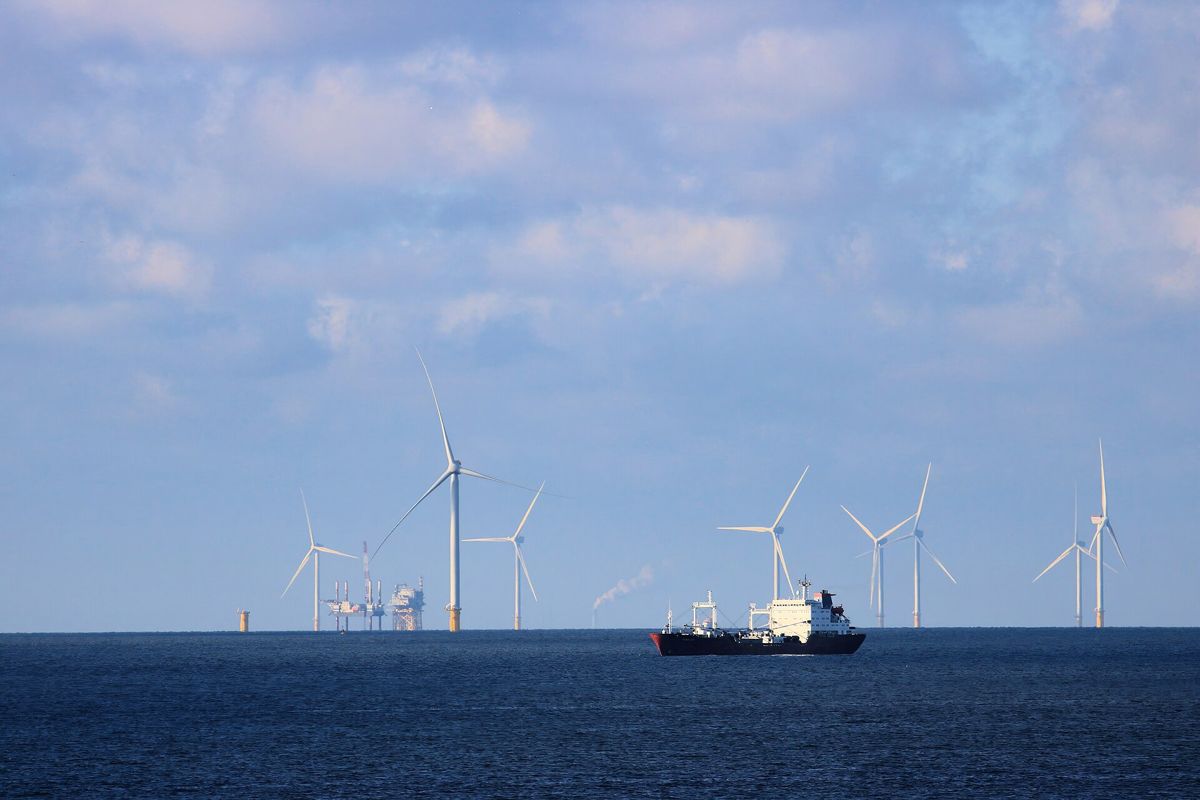
Global oil supply has moved back into surplus for the first time since the start of the US-Israeli war against Iran, the International Energy Agency (IEA) has said, according to The Guardian. The Paris-based agency estimates that supplies exceeded demand by almost 2m barrels a day in October.
The Guardian reports that the IEA described the market as showing “tentative signs of rebalancing”. The agency attributed the shift to Gulf exports, which recovered far faster than global oil demand.
The conflict had disrupted the market for months. Shipments through the Strait of Hormuz, the narrow waterway through which about a fifth of the world’s oil and gas supply normally passes, were blocked, and the Guardian notes that this drove energy prices up over the year. Brent crude, the international benchmark for oil prices, traded at about $72 a barrel in February, before the fighting began, and reached $126 a barrel by the end of April.
Prices have since eased. This week Brent fell to $89.66, its lowest level since late August, after US President Donald Trump told reporters that the war with Iran was “effectively over”. Brent was trading at about $95 a barrel on Friday, according to the same report.
Risks remain. The Guardian reports continued attacks on oil tankers in the Middle East. It also says reports emerged this week that senior Iranian officials believe the US could be planning further military strikes.
The IEA expects global supply to average 105m barrels a day in the final three months of the year, 1.7m barrels a day above its forecast for demand. The agency had previously expected a deficit in the fourth quarter, the Guardian says.
The recovery has also eased pressure on emergency stockpiles, which the conflict had depleted. The IEA said its members would speed up the release of the remaining emergency oil stocks pledged earlier this year. This would add a further 71m barrels to the market by the end of February. The stocks are held in refineries, oil terminals, power stations and at offshore fields in the North Sea.
The Opec+ group of oil producers said this week that its output in October stood at 97% of its prewar volumes, according to the Guardian’s account.
Demand is expected to weaken this year. The IEA forecasts global oil demand will fall by 2.68m barrels a day to 103.2m barrels a day in 2026. The Guardian reports that demand is expected to recover next year but stay below 2025 levels. Growth will come mostly from petrochemical feedstocks, while demand for road fuel is being squeezed by high prices, electrification and improving fuel efficiency.
All figures in this article come from The Guardian’s report of the IEA’s assessment. The Guardian’s report is the only outlet cited here, and the IEA’s own publication was not consulted for this story.