
Russia and Ukraine talks turn to post-war security without breakthrough
Trilateral talks in Abu Dhabi ended after two days with no clear route to ending the war, the BBC reports, though a large prisoner exchange is being prepared.
By Juan de la Torre, Abu Dhabi
3 min read
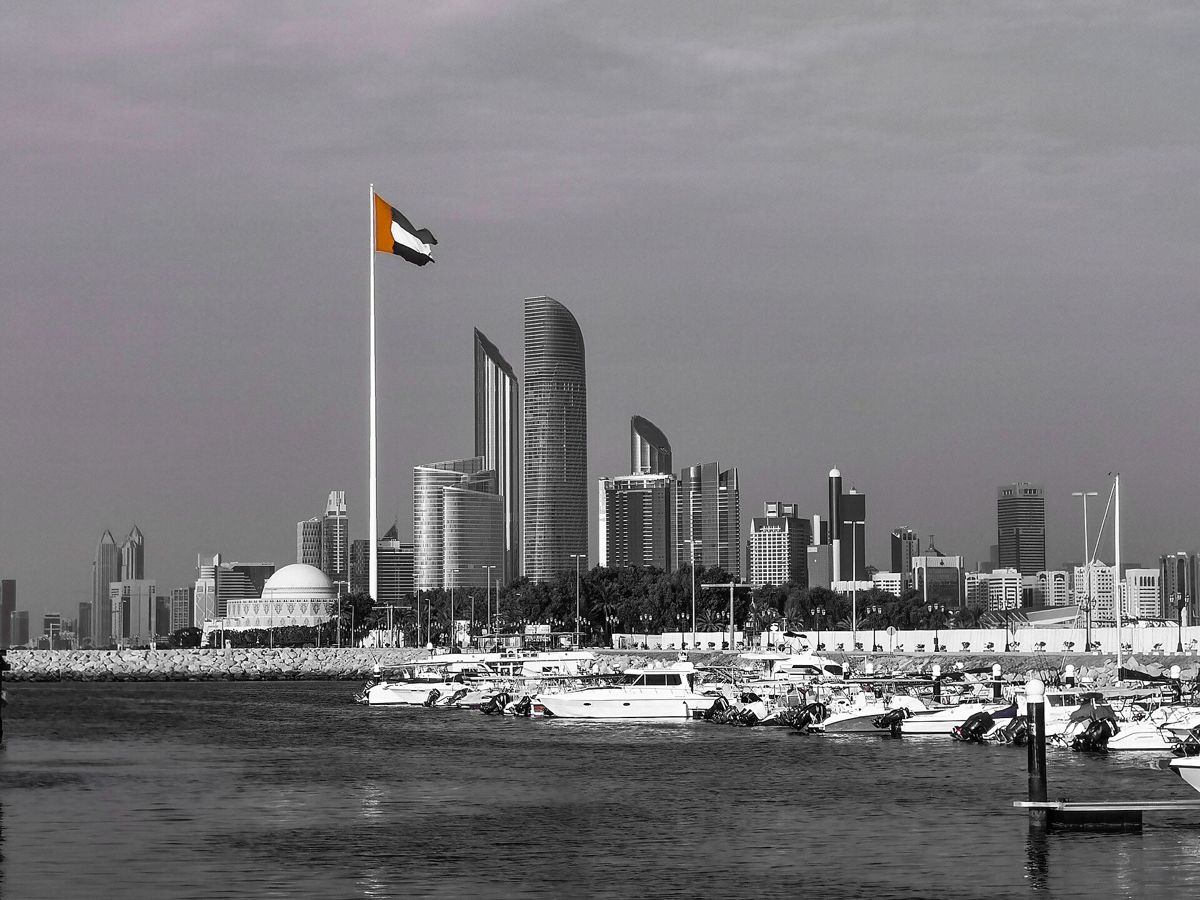
Trilateral talks between Russia, Ukraine and the United States in Abu Dhabi ended after a second day without a breakthrough towards ending the war in Ukraine, according to the BBC. The American side said it had seen "some openings", but the broadcaster reported no sign of an agreement to end a conflict that began with Russia's full-scale invasion nearly five years ago.
The round was the first since February and was framed around what the BBC described as Europe's "security architecture". For Kyiv, that could include assurances that allies would come to its defence if Ukraine were attacked again, even though Ukraine is not a member of NATO. For Moscow, a reworked security framework would likely limit NATO's influence in eastern Europe, a long-standing Kremlin concern since the alliance expanded eastwards.
The BBC reported that Moscow and Kyiv both confirmed that a large-scale prisoner of war exchange was being arranged and could take place soon.
Davyd Arakhamia, a member of Ukraine's negotiating team, described the round as "one of the hardest", according to the BBC. He said the Russian side had arrived with very strict instructions, but added that he felt there was "good momentum" and called for a second round to be organised as soon as possible. Kremlin negotiator Vladimir Medinsky was less conciliatory. He said the outcome depended heavily on Ukraine, on the position of the United States and on whether Europe changed its approach, the BBC reported.
Britain, NATO and several EU countries were also represented in Abu Dhabi and met American and Ukrainian negotiators. The Kremlin, which does not officially communicate with the EU, said its delegation had no contact with them. Moscow has largely dismissed a European role, although European governments argue that they are central to any post-war arrangements on their continent. A German government spokesperson said on Wednesday that agreements could not be implemented "if no consensus can be reached among NATO members", the BBC noted.
The BBC said the US negotiators Steve Witkoff and Jared Kushner, the latter a son-in-law of President Donald Trump, will travel on Thursday to Moscow to meet President Vladimir Putin, and then to Dublin to speak to Ukraine's President Volodymyr Zelensky. Kushner said Washington wanted to bring the Europeans into the process and that this would be on the agenda with Putin.
The sides remain divided on sequencing. Ukraine and its European partners want a ceasefire before talks on a security framework, while the Kremlin insists fighting should stop only after an agreement is reached, the BBC reported. Kushner said a peacetime security framework depends on ending the war, which in turn requires agreement on territory and other bilateral issues.
Territory remains the main obstacle. Kyiv wants to freeze the current front line in the eastern Donetsk region, much of which Russia occupies, to keep control of areas it says are vital to its security. Moscow still demands that Ukraine withdraw from the parts of Donetsk it holds. Kyrylo Budanov, Zelensky's chief of staff and a negotiator, declined to say whether Russia was still making that demand, the BBC reported. Budanov said the talks had been difficult and that Ukraine's priority was to ensure Russia could not attack it again. Kushner said there was no trust between the sides, which he called expected after a conflict of this kind.