
Solomon Islands signs security treaty with Australia as China pact is in doubt
Honiara agrees to host no foreign military bases and to consult Canberra on key infrastructure deals, while its 2022 security pact with Beijing is in question.
By Juan de la Torre, Canberra
3 min read
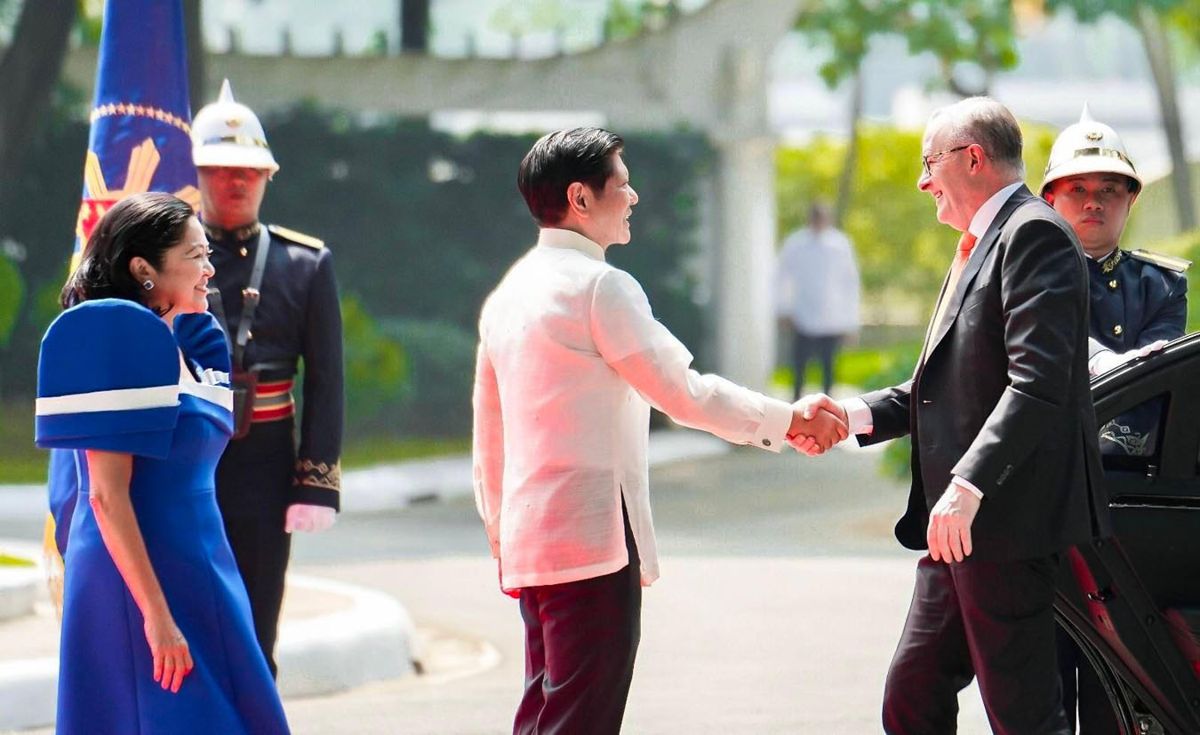
The Solomon Islands and Australia have signed a sweeping security treaty under which the small Pacific nation will allow no foreign military bases on its territory. The deal was signed on Wednesday in Canberra, Australia's capital, by Prime Minister Anthony Albanese and his Solomon Islands counterpart, Matthew Wale. It is widely seen as a setback for China, which had been building closer ties with Honiara for years.
The context is a 2022 security and policing pact between the Solomon Islands and Beijing, signed when Manasseh Sogavare led the government. Sogavare is now Leader of the Opposition. The pact was never published, but leaked excerpts indicated that China would take a large role in security and policing, including deploying its own officers and establishing a quasi-military base. Concern in the Pacific and the West centred on the prospect of China gaining a strategic and military foothold, at a time of rivalry with the United States for influence in the region.
On Tuesday, Australian media reported that Honiara had told Beijing it would not renew the pact, which was understood to expire in April 2027. Asked about this, Wale said discussions with China were 'ongoing', but he could not discuss the pact because of a non-disclosure agreement. China's foreign ministry spokesman, Guo Jiukan, did not confirm or deny that the pact had been terminated. He said there was no element of geopolitical rivalry in China's cooperation with Pacific island countries.
Under the new treaty, Australia becomes the Solomon Islands' 'primary security partner'. The Solomon Islands commits to consulting Australia before making deals on critical infrastructure or security cooperation, unless the partner is a member of the Pacific Islands Forum regional bloc. China is a dialogue partner of the forum but not a member. Sensitive infrastructure, which includes ports, airports, energy and telecommunications as well as road and bridge construction, is to remain free from militarisation, foreign interference and unauthorised access. The deal does not apply retroactively.
Canberra will provide A$740m over the next 10 years, for free education and other programmes, and the treaty also covers sports, visa arrangements and renewable energy. An earlier figure of more than A$980m, based on leaked text messages, had been reported in Australian media. That figure has not been independently verified, and it differs from the amount now stated.
Albanese said the treaty would strengthen the security partnership between the two countries. 'Backing our Pacific neighbours is an investment in Australia's own security and our own prosperity,' he said. Wale said the Solomon Islands had for years been 'a source of uncertainty and doubt in the region'. 'Those days are gone,' he said.
Wale travelled to Australia with about two dozen Solomon Islands MPs. He and Albanese said the size of the delegation showed strong support for the treaty in the country's parliament, after years of political instability that was largely driven by disagreement over relations with China. William Yang, a senior analyst for North East Asia at the International Crisis Group, said the treaty and the end of China's flagship Pacific deal reaffirmed the region's consensus-based approach to decision-making, especially on security.
The treaty completes a series of security deals that Australia has signed with Pacific states, including Papua New Guinea, Vanuatu and Fiji. Since winning the May election, Wale has moved Honiara's diplomacy away from China and towards Australia and the United States.