
Hundreds of children in England prescribed weight-loss jabs, figures show
A Guardian analysis of NHS data shows 419 prescriptions to under-18s in 2025-26, but experts say the true total is likely to be higher.
By Carmen Pardo
3 min read
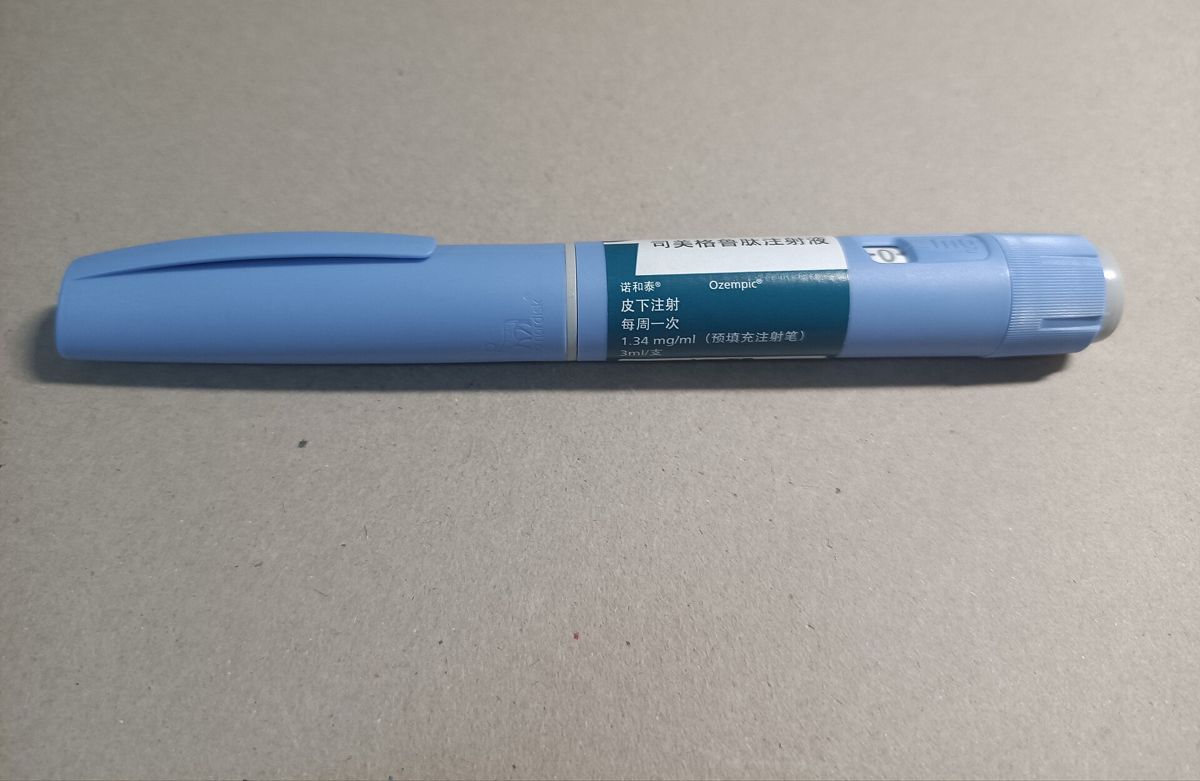
Hundreds of children in England have been prescribed GLP-1 medicines, the drug class that includes the weight-loss jabs Wegovy and Mounjaro, and some of them were under 12, according to a investigation by The Guardian.
The newspaper obtained figures through freedom of information requests to the NHS Business Services Authority. They show 419 prescriptions were issued to under-18s in the 2025-26 financial year, 10 of them to children under 12. In the four months from April to July 2026, 341 prescriptions went to children, 15 of them under 12, The Guardian reports.
The figures cover prescriptions issued in England and dispensed in a community setting anywhere in the UK. They exclude private prescriptions, and those given in prisons and hospitals. The Guardian says the totals are therefore likely to be a considerable underestimate. It also notes that a private clinic for children has previously said it had more than 200 patients receiving the jabs, and that it is unclear whether the prescriptions were mainly for weight loss.
GLP-1 medicines were first developed to help adults with type 2 diabetes control their blood sugar. They later became popular as slimming aids. The Guardian cites National Child Measurement Programme data showing that 10.7% of children in reception year (aged four and five) are obese, rising to 22.8% in year six (aged 10 and 11). The World Health Organization (WHO) said 400 million children and adolescents aged five to 19 were overweight in 2024, 170 million of them living with obesity.
The National Health Service (NHS) began piloting Complications from Excess Weight (CEW) clinics in 2021 for children aged two to 16 with severe obesity. NHS England said in May that almost 6,500 children had been referred to them, more than 400 of them under four. Only some CEW clinics can fund GLP-1s, and these are typically dispensed through hospital pharmacies.
Dr Dunia Ismail, a consultant paediatrician who runs a CEW clinic, told the newspaper that her service has used the drugs for children aged 12 and over, but that experts are considering extending this to children aged eight and over once the medicines are licensed for that age group.
The WHO issued new global guidelines in October stating that obesity medicines, including GLP-1s, should not be given to children under 10. The Guardian also cites recent data from a trial of 165 children aged six to under 12, run by Novo Nordisk, the company that makes Wegovy and Victoza. The trial suggests the drugs can help young children with obesity. The newspaper notes that the trial was run by the drugmaker itself.
Martin Whyte, professor of metabolic medicine at the University of Surrey, told the Guardian that the number of prescriptions remains small compared with the scale of childhood obesity. He stressed that children taking the drugs need specialist support, regular monitoring of growth, puberty and mental health, and long-term changes to their lifestyle. He noted that weight tends to return when the drugs are stopped, and that data on long-term use in growing young people are still limited.
Julian Hamilton-Shield, professor in diabetes and metabolic endocrinology and a clinician at the Bristol Complications CEW clinic, said children who receive semaglutide at these clinics usually have not lost weight through diet, nutritional advice and psychological support. Most, he said, also have related conditions such as type 2 diabetes, sleep apnoea or liver disease. He described the drugs as an add-on once standard treatments have failed. "Nobody's saying that every child who's a bit heavy should have a GLP-1," he said.
The Guardian says the debate over GLP-1s has reopened discussion about what drives childhood obesity. Experts quoted in the piece argue that patients and their families should not be blamed for it.