
A year after conviction, Spain weighs a pardon for former attorney general
The government has the pardon file on its desk, while the Constitutional Court will not rule on García Ortiz's appeal until after the general election on 29 November.
By Álvaro Luna, Madrid
3 min read
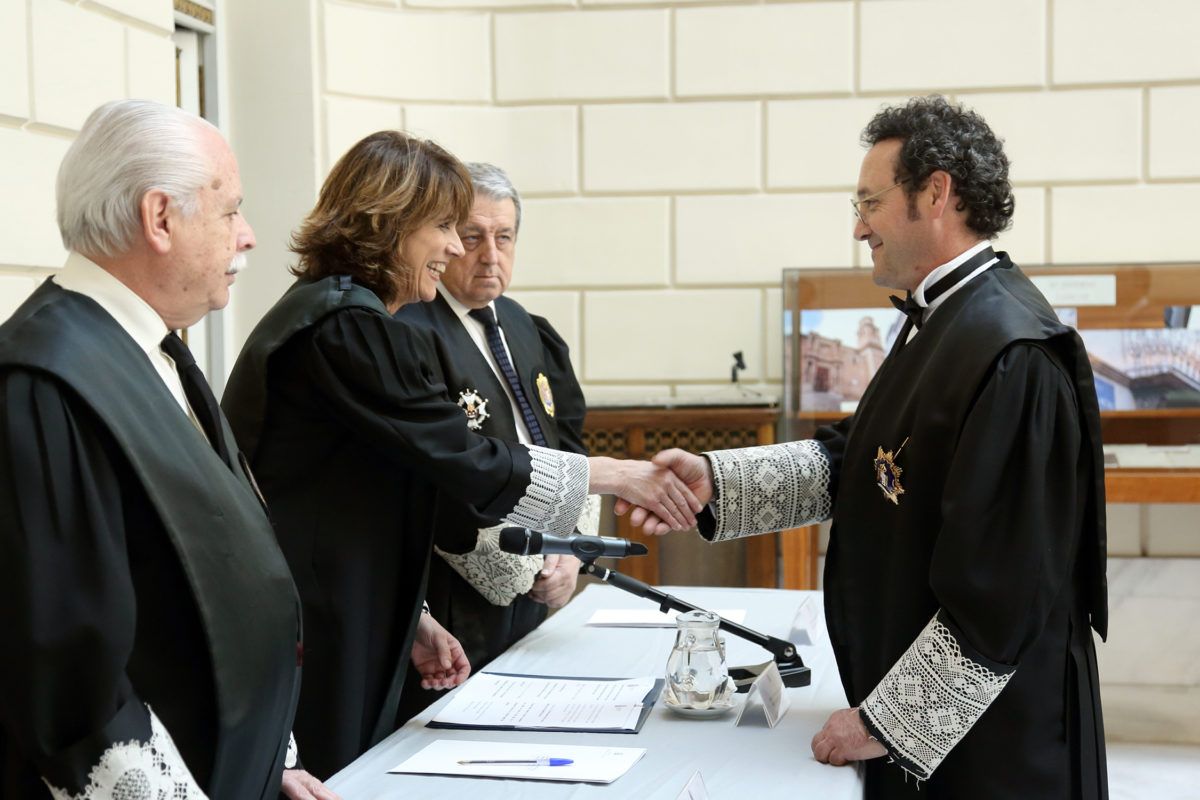
Spain's Supreme Court, the country's highest ordinary court, convicted Álvaro García Ortiz on 20 November 2025. He was then Attorney General (Fiscal General del Estado), the head of the public prosecution service, and the court found him guilty of revealing secrets relating to the businessman Alberto González Amador, who was at that time the partner of Madrid regional president Isabel Díaz Ayuso. A year on, the government is considering a pardon, and the Constitutional Court (TC), which rules on complaints that fundamental rights have been breached, will not take up his appeal until after the general election on 29 November, according to Europa Press.
The verdict, announced first, imposed two years' disqualification from public office, a fine of €7,200 and compensation of €10,000 to be paid to the businessman. The full judgment, with its reasoning, was not published until 9 December. Two judges, Ana Ferrer and Susana Polo, dissented. The verdict led García Ortiz to resign. He accepted the ruling but has maintained his innocence, as have the government and the progressive bloc in Parliament, according to Europa Press.
Two weeks ago the Supreme Court also rejected a challenge from the prosecution service and the State Attorney's Office (Abogacía del Estado), which had called the fees of González Amador's lawyer excessive. The court confirmed that García Ortiz must pay €39,000 in costs.
In April the State Attorney's Office filed an amparo appeal, a constitutional complaint about fundamental rights, asking the Constitutional Court to annul the sentence. It cited the presumption of innocence, effective judicial protection, freedom of expression and the right not to incriminate oneself. It argued that the disclosure served a legitimate institutional purpose: correcting confused and distorted reports. It also said the court had relied on open-ended inferences and ignored exculpatory evidence, including journalists who said he was not their source. The prosecution service, which had argued for acquittal during the trial, also asked the Constitutional Court to annul the ruling, citing fair-trial and legal-certainty rights. Legal sources consulted by Europa Press said the court has not yet set a date to decide whether to admit the appeals, and ruled out any progress before the election.
The Ministry of the Presidency, Justice and Relations with the Courts began processing a possible pardon in January, after two private petitions. The Supreme Court has already reported against it, finding that the facts were serious and had seriously affected the standing of the prosecution service. A pardon is granted by the King on the proposal of the justice minister, after the Council of Ministers deliberates, and is formalised by royal decree in the Official State Gazette (BOE).

Justice Minister Félix Bolaños said last month that the file was complete and that he had it on his desk. On Friday he declined to discuss the merits, saying that “neither decision has been ruled out” (translated from Spanish) and that the government would announce the outcome and its reasons at a press conference once it was resolved.
In January the prosecution service, now led by Teresa Peramato, allowed García Ortiz to remain a prosecutor. It read the disqualification as applying only to the post of Attorney General, not to his wider career. He was assigned to the Social Chamber of the Supreme Court.