
Puigdemont to return to Catalonia on 12 December after nine years in Belgium
The former Catalan leader says he will take his seat in the regional parliament and unveil a new independence strategy on 17 December.
By Álvaro Luna, Brussels
3 min read

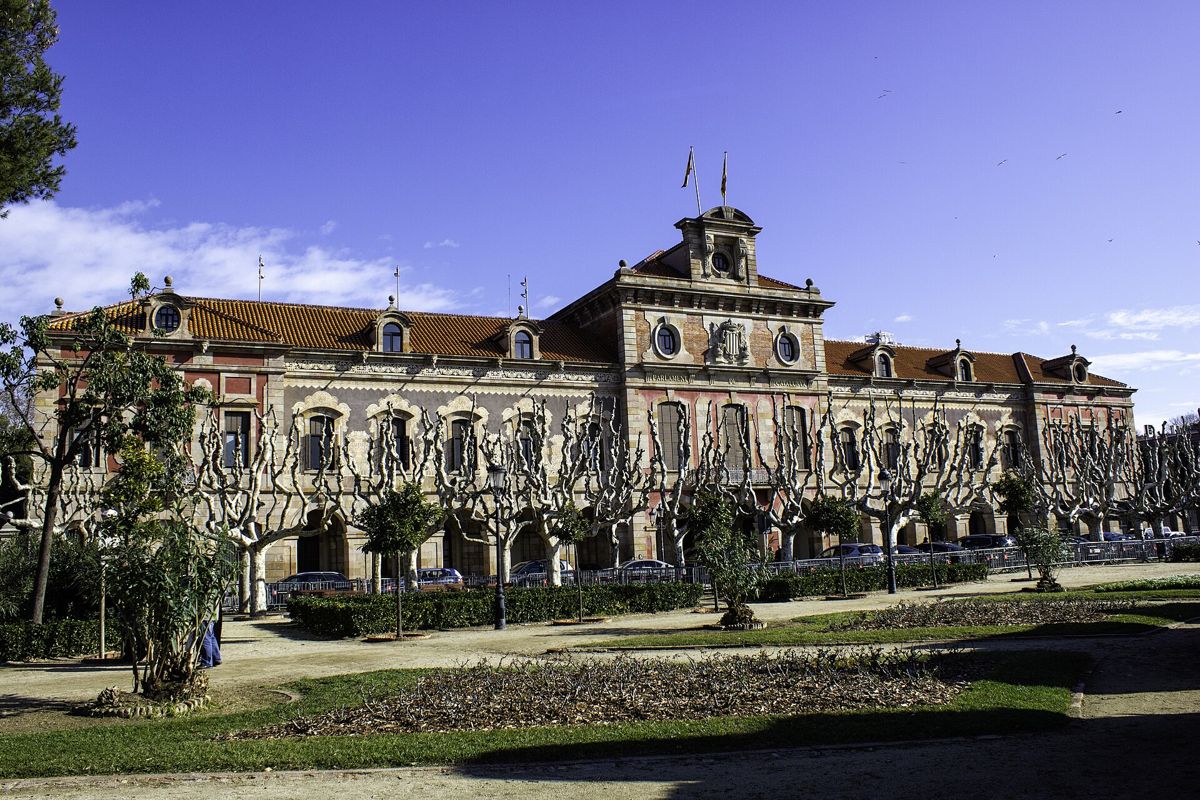
Carles Puigdemont, the former president of Catalonia's regional government (the Generalitat) and leader of the pro-independence party Junts, said on Wednesday that he will return to Catalonia on Saturday 12 December after more than nine years in self-imposed exile in Belgium. Speaking at a press conference in Brussels, he said he would fly from the Belgian capital to Barcelona's El Prat airport and go straight to the Parlament de Catalunya, the regional parliament, where he intends to take his seat.
Puigdemont fled to Belgium in October 2017, after organising an independence referendum that Spanish courts had ruled illegal. The vote triggered the country's worst political crisis in decades. On Monday, Spain's Supreme Court, the country's highest criminal court, applied the 2024 amnesty law to him, along with two former regional ministers, Toni Comín and Lluís Puig, which closed the criminal case against them. Accounts differ on which court acted last: one report says the Constitutional Court lifted the remaining charges this week.
The amnesty was part of a deal between Prime Minister Pedro Sánchez's Socialist Party (PSOE) and Catalan separatist groups, including Junts, after an inconclusive general election in 2023. Spain's conservative opposition challenged the measure unsuccessfully in the courts and in parliament.
'I will return to Catalonia without asking for permission and without asking for forgiveness,' Puigdemont said in Brussels, presenting the amnesty as a victory over the Spanish state.
He said he had chosen the date to keep his return apart from the general election on Sunday 29 November, its result and any talks to form a government, while still wanting to be back in Catalonia before Christmas. He denied that he was stepping back from the campaign, arguing that his return should not serve any single party because it belonged to the independence movement as a whole.
On 17 December he will present a proposal to 'update' the independence strategy. He said it would weigh the 'mistakes' and 'successes' since 2017 and take account of legal changes, including the repeal of the offence of sedition. 'We need to update the strategy because we have learned from our mistakes,' he said.
Puigdemont said he was willing to meet Sánchez and Alberto Núñez Feijóo, leader of the conservative People's Party (PP), provided the talks dealt with independence and the conflict between Catalonia and the Spanish state. He rejected purely ceremonial meetings. On Salvador Illa, the Socialist president of the Generalitat, he said there would be no problem with a meeting if Illa wanted one. However, the two have not yet spoken directly, although Puigdemont's team is in contact with the Catalan government.
He did not say which conditions Junts would set for backing a new investiture of Sánchez if its votes prove decisive after the election, or whether it would demand that Sánchez step aside. Nor did he say whether the Aliança Catalana party would be included in any round of talks. He said he had received no message from Oriol Junqueras, leader of the Republican Left of Catalonia (ERC), since the amnesty took effect, but played this down because the parties are in the campaign.
Opinion polls suggest the PP and the far-right Vox could win an absolute majority in the general election. Both parties back a unified Spain and, among other measures, want to dissolve political forces that promote independence. Puigdemont's return could therefore set up a new confrontation with Madrid if they win.