
Yemeni forces withdraw from Red Sea strait, leaving Houthis in control
Saudi-backed government forces say they are redeploying from the Bab al-Mandab Strait to defend Aden, as the UN reports nearly 330,000 people displaced in Yemen.
3 min read
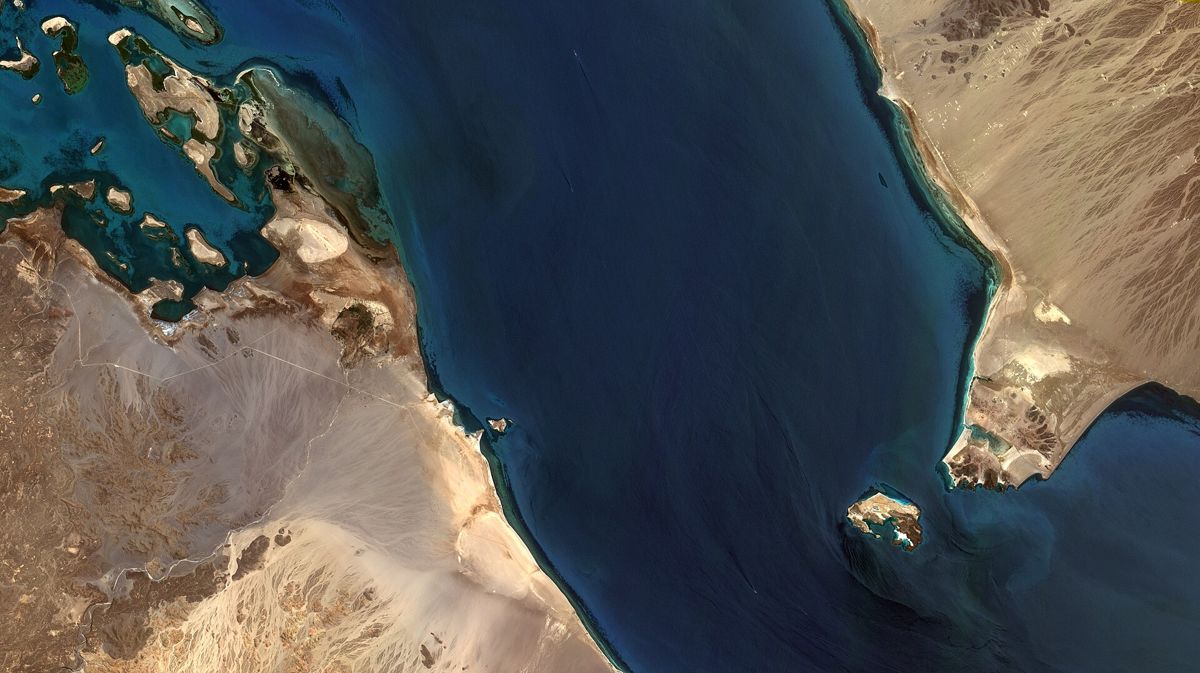
Yemeni pro-government forces have pulled back from positions overlooking the Bab al-Mandab Strait, a narrow shipping passage at the southern end of the Red Sea, leaving the area under the control of the Iran-backed Houthi movement, according to the BBC. The Houthis ousted the internationally recognised government from the capital, Sanaa, in 2014, and the conflict escalated in 2015 when a Saudi-led coalition of Arab states intervened to restore the government.
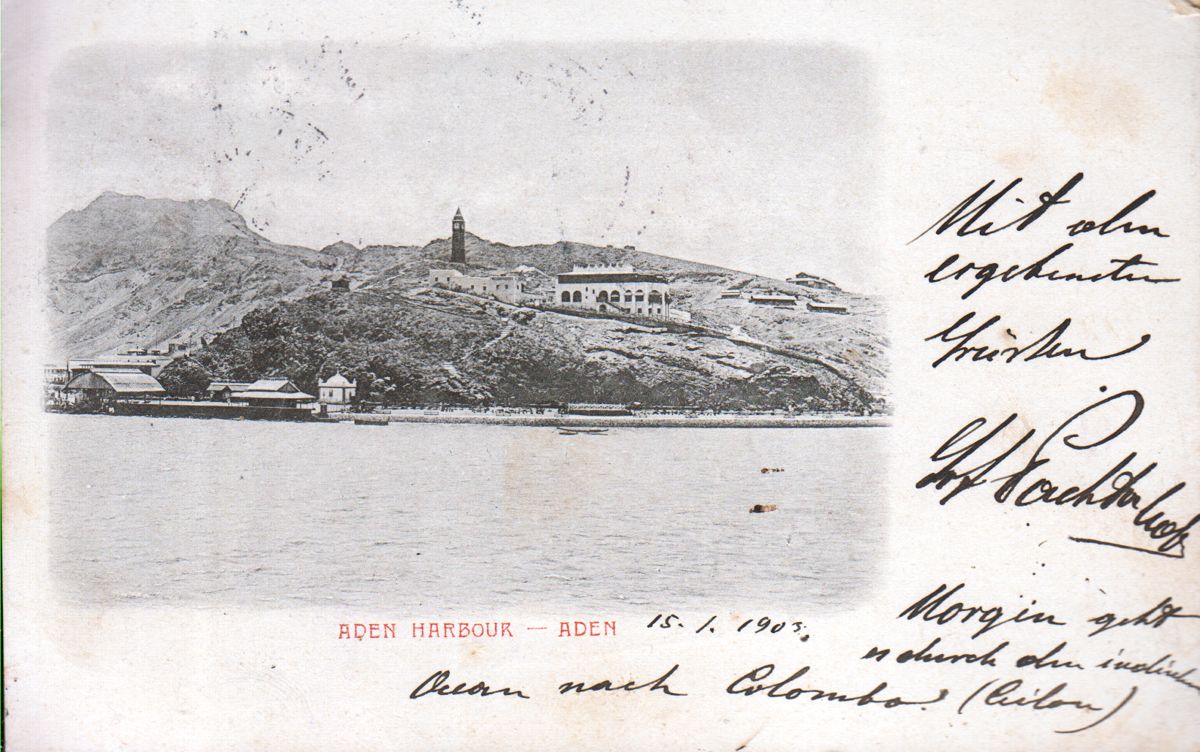
The BBC reports that Saudi-backed forces fighting for the government said on Sunday that they were withdrawing to reinforce troops elsewhere, with the southern city of Aden a priority. Yemen’s military said it was redeploying troops to defend Aden, which serves as the interim capital. A statement from the Southern Armed Forces said troops were being withdrawn “from Dhubab Airport and the Bab al-Mandab area”. The BBC says Houthi-run media reported later on Sunday that the group had taken control of the territory. Saudi Arabia has not commented, the broadcaster reports.
The Houthis seized the area in a surprise offensive in September. Pro-government forces said in early October that they had “secured” the strait as they tried to retake the ground. The Houthis had said they captured Perim Island, at the mouth of the strait, and the port city of Mokha about a month earlier, according to the BBC. The movement said at the time that it posed no threat to international shipping through the waterway but would continue to target vessels from Saudi Arabia.
The BBC links the seizure to rising global oil prices. It says Saudi Arabia had been relying on the Red Sea for oil exports since the war between the US and Israel and Iran effectively closed the Strait of Hormuz.
The fighting has caused heavy civilian harm. UN Human Rights spokesperson Ravina Shamdasani urged all parties to protect civilians and civilian infrastructure. She noted that since the escalation of fighting in August, more than 60% of documented civilian casualties were women and children, the BBC reports. The UN has estimated that nearly 330,000 people have been displaced in Yemen, and the broadcaster says hundreds of people have been reported killed. On 15 October, an assault by the Houthis on Aden targeted the presidential palace and killed five people and injured 16, according to the BBC. Saudi Arabia has responded with hundreds of air strikes, while the Houthis have launched hundreds of drones and missiles at Saudi cities and infrastructure.
The current escalation followed the collapse of a four-year informal ceasefire in July. The BBC reports that the Houthis then announced a “maritime embargo” against Saudi Arabia and began missile and drone attacks on Saudi airports, oil facilities and tankers in the Red Sea. The movement said it was retaliating for a Saudi blockade of ports and airports in its territory and for an air strike on Sanaa airport that it blamed on the kingdom.