
Israeli judges urge dropping the most serious charges against Netanyahu
Judges in Jerusalem also question a second corruption case and propose a plea deal in a third, as the caretaker prime minister fights to hold on to power.
By Juan de la Torre, Jerusalem
3 min read
Israeli judges have recommended that prosecutors drop the most serious of the corruption charges against Benjamin Netanyahu, the country's caretaker prime minister, as he fights to hold on to power after an inconclusive election. At a hearing in Jerusalem on Wednesday, the panel at the Jerusalem District Court summoned Israel’s Attorney General, Gali Baharav-Miara, to express its concerns. Israeli media reported that the judges told her the chances of conviction in the first case were low. She said she would consider the recommendations.
The case in question, known as Case 4,000, concerns an alleged arrangement between Netanyahu and Shaul Elovitch, the controlling shareholder of Bezeq, one of Israel’s largest telecoms companies. Prosecutors allege that Netanyahu sought positive coverage on the Walla news site in exchange for regulatory policies that benefited Bezeq. Both men deny any wrongdoing. According to Israeli media reports, one of the judges, Rivka Friedman-Feldman, said that proving the bribery charge faced considerable difficulties.
The judges also questioned whether Netanyahu’s actions in Case 2,000 amounted to a crime. That case concerns an alleged deal with the owner of the newspaper Yediot Aharonot for favourable coverage in return for curbs on the rival paper Israel Hayom. In Case 1,000, which involves allegedly accepting luxury gifts, including cigars and champagne, from a wealthy Australian businessman, the judges left open the possibility of a conviction but recommended reaching a plea agreement. The panel said that, in the public interest, the handling of the trial needed to be rethought.
Netanyahu, who has been prime minister on and off for three decades, was first charged in 2019 and is the first sitting Israeli prime minister to stand trial. Proceedings were slowed in part by the war in Gaza, and hearings were reduced for security reasons. He has consistently denied the allegations and describes the cases as a politically motivated witch-hunt. In a televised statement to parliament on Wednesday, he called for the trial to end immediately. “Ten years of terrible suffering for me, my family,” he said. He also said the “fabricated cases” against him were falling apart. His opponents argue that his fear of prison has shaped his decisions as prime minister and made him dependent on his far-right coalition partners.
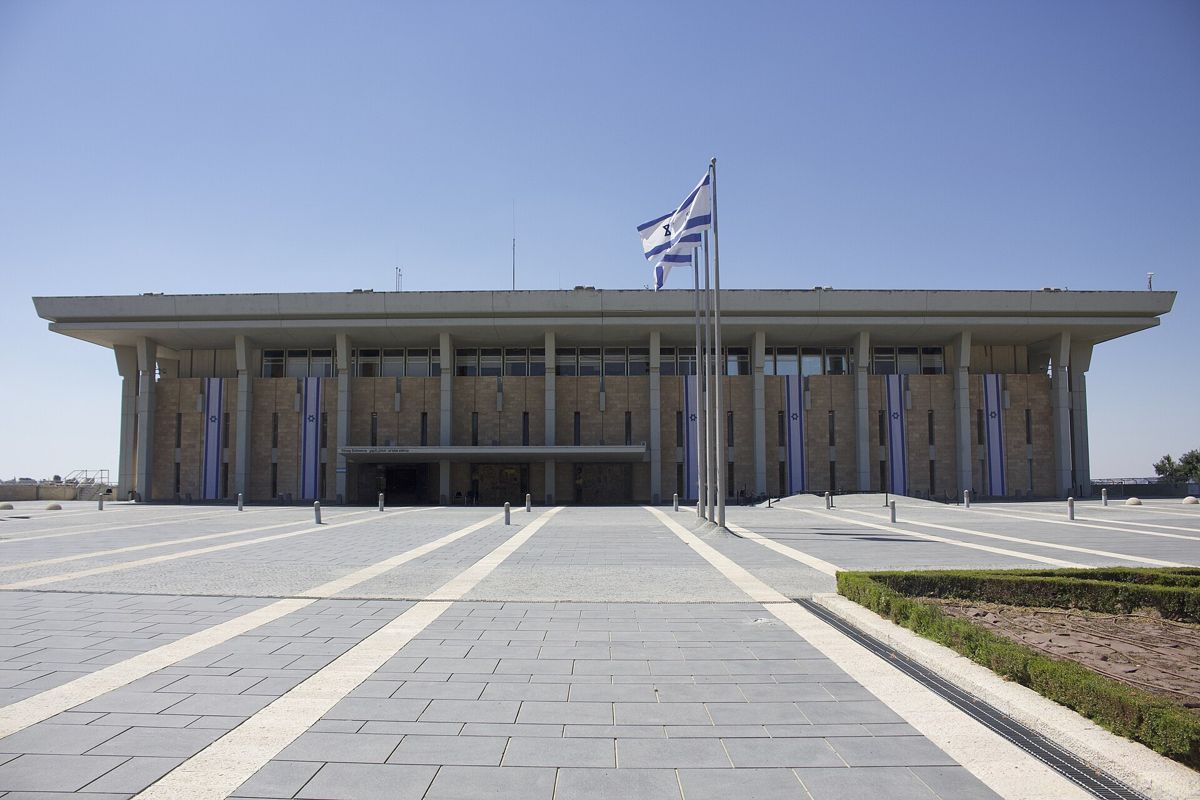
The ruling also comes at a delicate moment in Israeli politics. At the election on 27 October, Netanyahu’s bloc won more seats than that of his rival, Gadi Eisenkot, but neither reached an outright majority. President Isaac Herzog has given Eisenkot, leader of the centrist Yashar party, the first chance to form a government. He has until 6 December under a 28-day mandate, which can be extended by 14 days. If he fails, Netanyahu would have the opportunity to try. Netanyahu also remains subject to an International Criminal Court arrest warrant over alleged war crimes and crimes against humanity in Gaza, which he denies.