
US loses measles elimination status after 26 years amid record outbreak
The Pan American Health Organization says measles is now endemic in the US, Mexico and Bolivia, as the US records its worst outbreak since 1991.
By Carmen Pardo
3 min read

The United States has officially lost its measles elimination status, a designation it held for 26 years. The Pan American Health Organization (PAHO), the Americas branch of the World Health Organization, said on Tuesday that the same strain of the virus had circulated continuously in the country for at least 12 months. PAHO's director, Dr Jarbas Barbosa, also said Mexico and Bolivia had lost their status. He described the figures as "a serious warning for our region".
Elimination status means a disease is no longer transmitted continuously within a country, so cases are mainly brought in from abroad. Losing it means measles is now considered endemic, which has practical consequences. Reports note that Americans may now be asked to find decades-old vaccination records and, in some cases, to quarantine for 21 days.
The recommendation came from the Measles and Rubella Elimination Regional Monitoring and Re-Verification Commission, which reviewed epidemiological and laboratory evidence submitted by the US Centers for Disease Control and Prevention (CDC), according to reporting. Reports add that the evidence included interviews with patients and genome sequencing of the virus. Daniel Salas, PAHO's immunisation manager, said the US and other countries that lost their status must submit corrective action plans setting out how they will raise vaccination rates.
The figures for the outbreak differ by source. Reports put cases in 2026 at more than 5,400, the highest annual total since 1991, while another count cites about 7,700 CDC-reported infections since the start of 2025. On deaths, one count gives ten measles-related deaths this year according to states, another gives eight, and the CDC has confirmed six, while state officials in Pennsylvania, Wisconsin and New York have reported ten combined. Pennsylvania's outbreak alone has infected more than 1,400 people and killed seven, according to state officials, a figure that reports say is likely an underestimate. Federal and state authorities disagree over how deaths should be classified.
Nationally, MMR vaccination coverage has fallen to 92.4%, below the 95% level that protects communities through herd immunity. Reporting notes that about 40% of current US cases are among adults over 20, which experts say calls for vaccines to be offered in workplaces and places of worship.
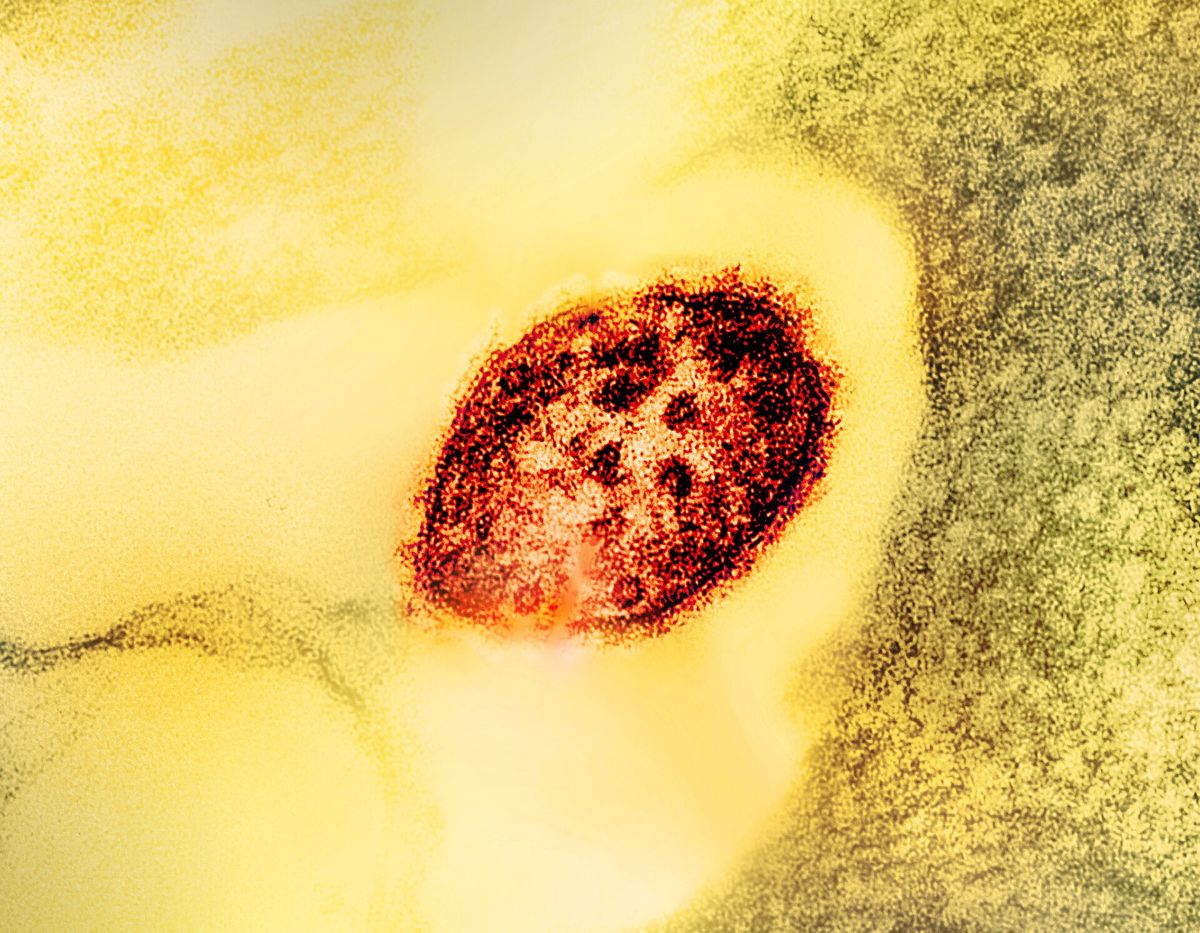
The decline has been linked by public health experts to misinformation from national leaders. Health Secretary Robert F Kennedy Jr, who has questioned the safety of the MMR vaccine, has argued that the rise in cases began before he took office at the Department of Health and Human Services. President Donald Trump has called for the MMR shot to be split into three separate vaccines, a move experts say would be costly and could cause confusion. HHS did not respond to a request for comment.
The loss of status also affects other countries. The UK, Spain and Austria lost their measles-free status earlier this year, according to reports. Noel Brewer, a behavioural scientist at the University of North Carolina at Chapel Hill who advised on the decision, told reporters that the US needs "a national plan to eliminate measles again", with named parties responsible for specific tasks. Matt Ferrari of Pennsylvania State University said: "This should be a humbling statement for the United States." Reporting says that the federal government is not expected to change its approach significantly, although some states may act on their own.