
WHO warns antimicrobial resistance could cause 39 million deaths in 25 years
According to Al Jazeera, only 42 of 183 countries have a national plan against drug-resistant infections that is financed, implemented and monitored.
By Carmen Pardo
2 min read
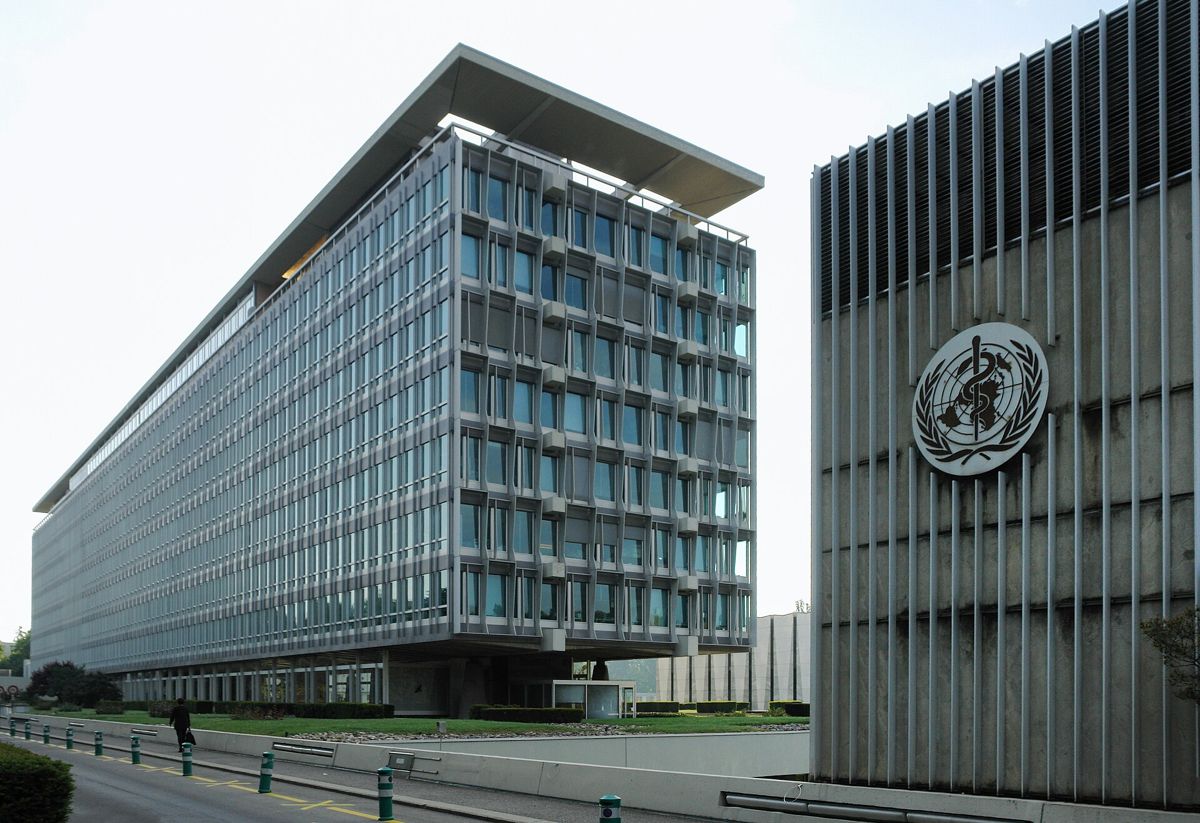
The World Health Organization (WHO), the United Nations health agency, has warned that growing antimicrobial resistance could cause 39 million deaths over the next 25 years, Al Jazeera reports. The agency says the problem could make routine surgery and childbirth life-threatening. Senior WHO officials said on Monday that progress on prevention, diagnosis and the appropriate use of antibiotics is still too slow to meet global targets.
Speaking at a virtual conference, the 6th Annual Global Media Forum on AMR, Jean-Pierre Nyemazi, acting director of the WHO’s AMR department, said: “Antibiotic resistance – but broadly, we are talking about antimicrobial resistance, or AMR – is widespread and threatening the future of modern medicine.” He added that drug-resistant infections have been taking lives for years without the same attention that COVID-19 received, according to Al Jazeera.
Al Jazeera cites WHO figures showing that in 2021 resistance was directly responsible for more than one million deaths and linked to about 4.7 million others. The figure of 39 million is a projection of what could happen, not a count of deaths already recorded.
The agency also examined progress in 183 countries this year. Nearly nine in 10 now have a national action plan against antimicrobial resistance, compared with about four in 10 in 2017. However, only 42 countries, fewer than one in five, have a plan that is financed, implemented and monitored. Pravasha Prakash, an AMR technical officer at the WHO, said countries are moving forward at every step but that progress must speed up to reach the 2030 targets.
The latest global surveillance data, for 2023, show that one in every six laboratory-confirmed bacterial infections reported to the WHO was resistant to the antibiotics used to treat it. Sylvia Bertagnolo, head of AMR surveillance at the WHO, warned that without testing, clinicians must treat infections without knowing their cause or which antibiotic will work.
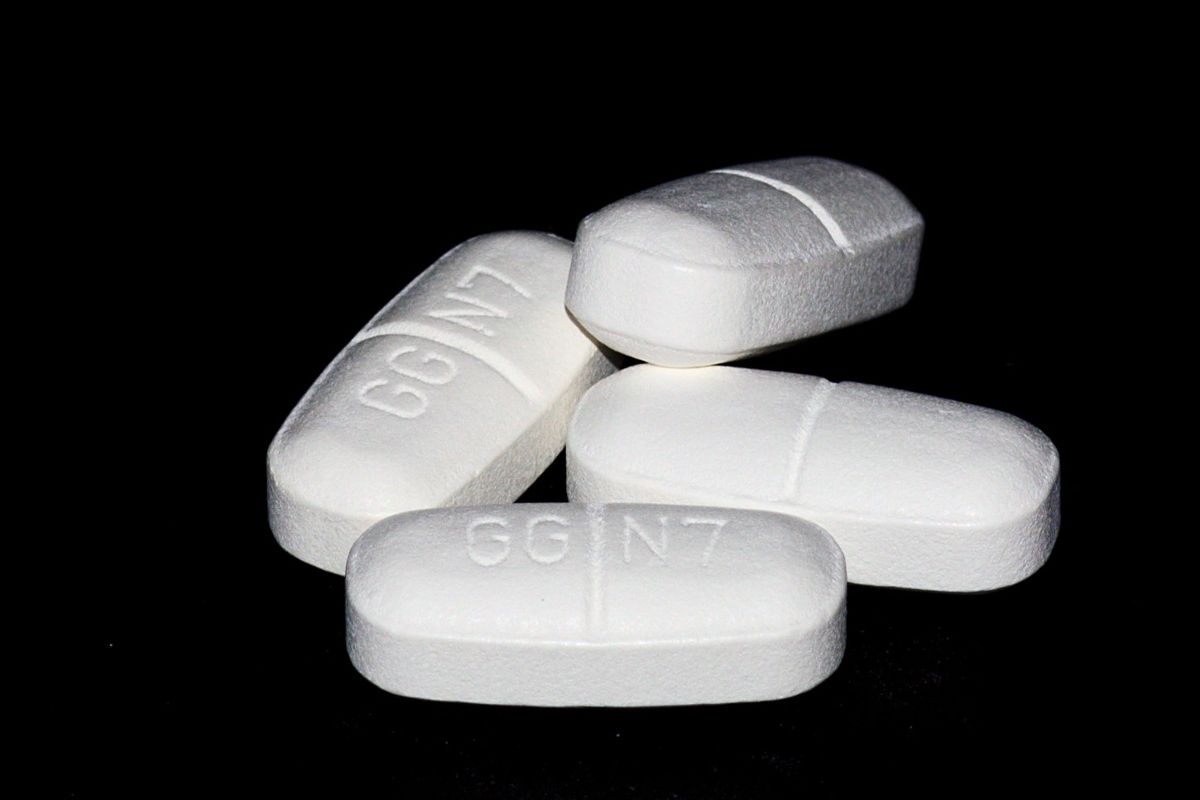
To help countries strengthen diagnostic capacity, the WHO released two new tools. The first defines which tests should be available at every level of the health system, from primary care centres to referral hospitals. The second compiles 73 laboratory procedures, from sample collection to identifying pathogens and testing their susceptibility to antibiotics.
The agency said the main levers against the problem are infection prevention, vaccination, better access to water and sanitation, and the appropriate use of antimicrobials. All the figures in this story come from a single outlet, Al Jazeera, which reports the WHO announcement; they have not been checked against a separate WHO publication in this report.