
Spain to bring Romanian Orthodox clergy into Social Security
A royal decree published in the official gazette will bring ministers of the Romanian Orthodox Church into the state system from 1 January 2027 and let them count earlier service towards pensions.
By Álvaro Luna
3 min read
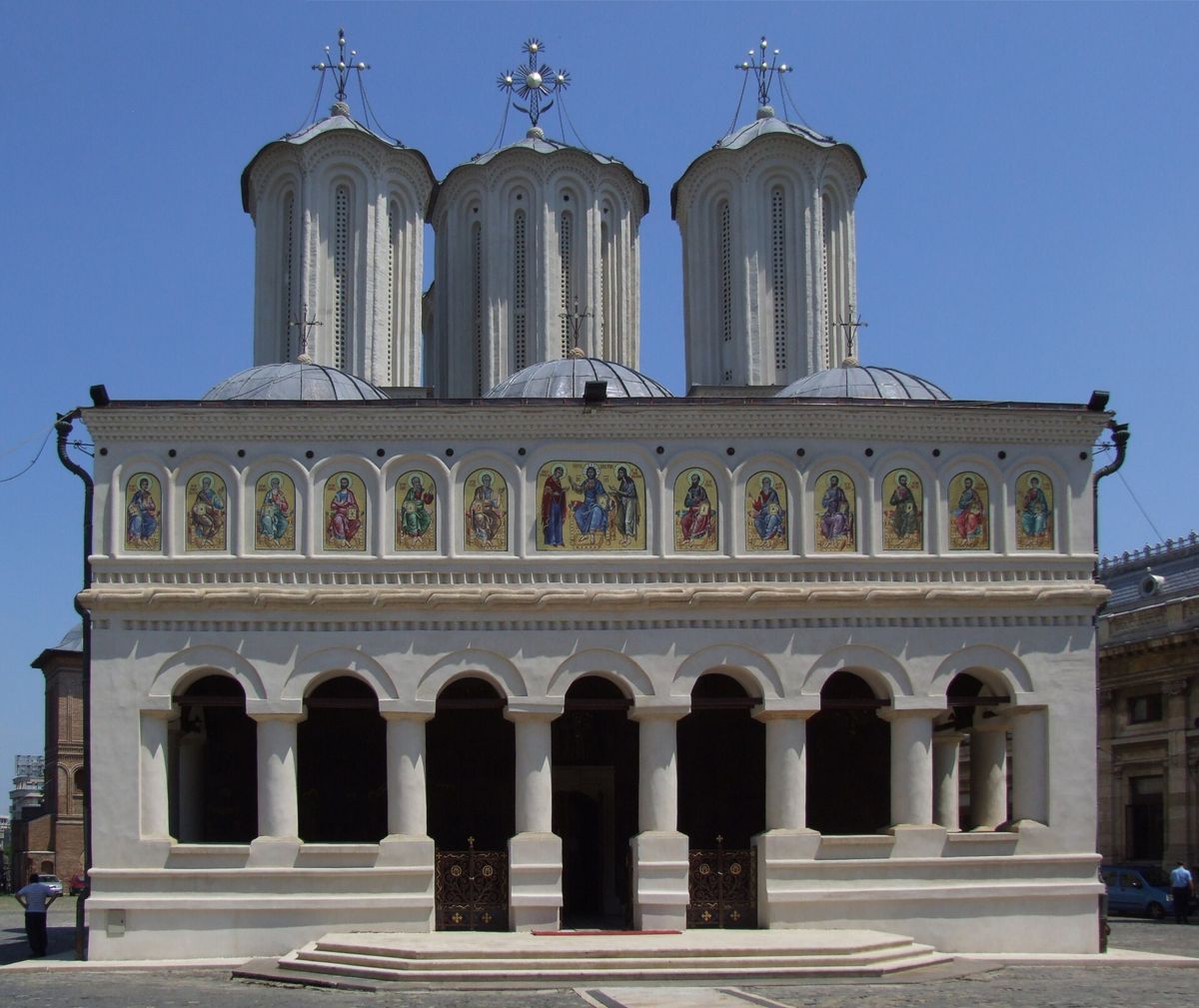
Spain's government has approved a royal decree that brings clergy of the Romanian Orthodox Church into the general system of Social Security, the state scheme that covers pensions, sick pay and other benefits. According to Europa Press, the measure was published on Friday 20 November in the Boletín Oficial del Estado (BOE), Spain's official gazette, and takes effect on 1 January 2027.
Royal Decree 1005/2026, dated 18 November, treats the ministers of the Church as employees for Social Security purposes and places them in the Régimen General, the general regime that covers most workers. They are excluded from unemployment protection. Sickness and accidents are treated as common and non-occupational contingencies. There is no obligation to contribute for occupational risks, unemployment, the Fondo de Garantía Salarial (the wage guarantee fund) or vocational training. The contribution base is the total pay received or due each month, within the minimum and maximum of contribution group 3.
Under the decree, a minister is a person who carries out worship or religious assistance on a stable basis, not for free, and within Spanish territory. Applicants must prove this with a certificate issued by the Romanian Orthodox Bishopric of Spain and Portugal.
The decree also recognises as contributions past periods of activity in Spain, before the rules take effect. These can count towards the right to a retirement pension or increase its amount. They can also help meet the minimum contribution periods needed for permanent disability benefits and for death and survival benefits, the latter only for those who are ministers when the rule enters into force. To claim this, people must prove their service with a certificate from the bishopric and apply to the National Social Security Institute (INSS), the agency that manages these benefits. The application must be made with a pension claim or, for existing pensioners, a request to review the amount. Periods before the Romanian Orthodox Church was entered in the Register of Religious Entities do not count, nor do periods that overlap with other contributions.
The recognised periods affect how a retirement pension is calculated. This covers the qualifying period, the regulatory base, the ordinary retirement age and the percentage applied. They cannot raise the percentage of the regulatory base above 100%. For pensions already granted, they are used only to set the percentage and cannot reduce the rate the pensioner already has.
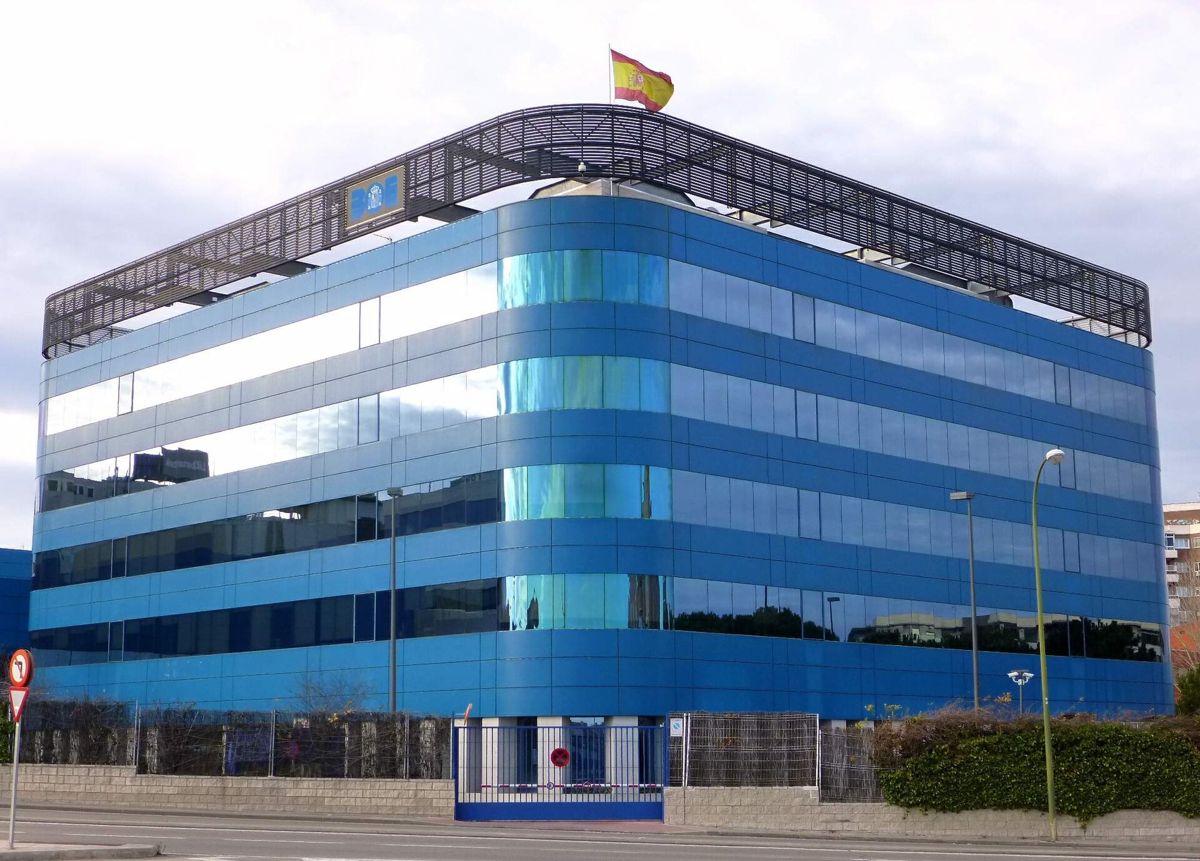
The recognition has a cost. Beneficiaries must pay a capital cost for the part of the retirement pension linked to those periods. It can be paid in one instalment or in monthly payments over up to twenty years. The period can be extended so that the monthly repayment does not exceed the extra amount the pensioner receives. For disability and survival benefits, beneficiaries must pay the share of contributions for the recognised periods within one month of notification. If they do not, the recognition does not take effect.
The decree extends a treatment that has already been applied to other religious groups. These include evangelical Protestant ministers, Russian Orthodox clergy, Muslim religious leaders and imams, and members of the Jehovah's Witnesses.