
Democrats win largest US House majority since 1992 after North Carolina flip
Chuck Hubbard unseated Republican Virginia Foxx by 330 votes, as four House races remain uncalled and Democrats also control the Senate.
By Juan de la Torre, Washington
3 min read
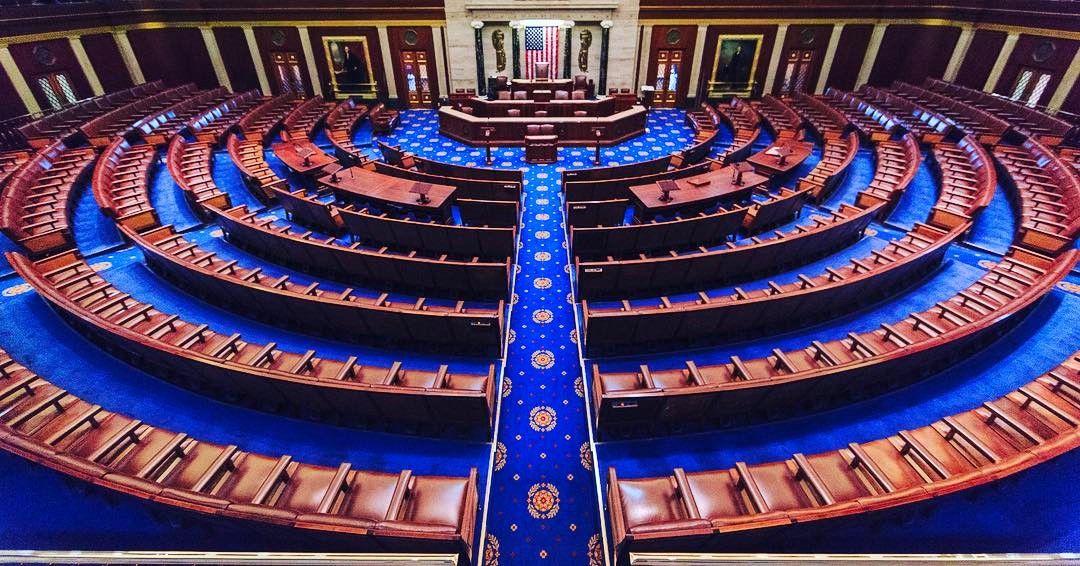
Democrats have won the largest majority in the United States House of Representatives since 1992, after Chuck Hubbard, a Democrat, unseated the veteran Republican Virginia Foxx in North Carolina's 5th Congressional District. The race was called on Sunday 22 November, when the count reached 99 per cent of the votes and Hubbard led by 330 votes.
The House of Representatives is the lower chamber of Congress, the US legislature, and has 435 seats. The midterm elections are held halfway through a president's term and this year they took place during the second term of the Republican president, Donald Trump. Voters were also choosing Congress members in a climate of concern over the rising cost of living, which Democrats linked to the war in Iran, and over allegations of corruption surrounding the Trump administration.
According to the figures reported on Sunday, Democrats have won at least 258 House seats, and Republicans will hold between 173 and 177 once the four remaining races are decided. Those races are in Tennessee and Minnesota, where Democrats are narrowly ahead, and two contests in Louisiana that will go to a runoff in December. In Tennessee's 4th district, Democrat Victoria Broderick leads by fewer than 300 votes. In Minnesota's 1st district, Democrat Jake Johnson is ahead by fewer than 500 votes. The result is the largest House total for a single party since 1992, when Democrats won 258 seats.
Foxx, who has represented the 5th district since 2005, requested a recount. North Carolina law allows one when the margin of victory is below 1 per cent. After the recount, she conceded on Sunday. In a statement, she said she was “humbled and grateful” for the support of voters, “even if we came up just a few votes short.”
Hubbard lost to Foxx in the 2024 midterms by nine percentage points. He said on X that Foxx had conceded after the recount, and he thanked her for her commitment to a smooth transition and to constituent casework. Democrats also won in several traditionally Republican districts in South Carolina, Texas, Alaska and Iowa.

Democrats also control the Senate, the upper chamber, which means they will hold power in both houses of Congress from January. Hakeem Jeffries, the Democratic leader in the House, has been nominated for Speaker, the post that presides over the chamber, and is expected to take it when the new Congress convenes on 3 January 2027. Democrats say their first 100 days will focus on household finances, healthcare and government accountability. Their stated priorities include reversing Republican cuts to Medicaid, the public health insurance programme for low-income Americans, and restoring tax credits linked to the Affordable Care Act that expired under Republican control.
Congressional committees are expected to start investigations into the administration, which could include subpoenas and demands for testimony from senior officials. The White House has responded by suggesting that some proposed investigations could amount to criminal misconduct. Democrats will also be able to confirm or block the president's cabinet and judicial nominations in the Senate. However, Trump can still veto any bill passed by Congress, which limits what the new majority can achieve on its own.