
Pope Francis's diary describes visions of the devil and a 2021–2022 spiritual crisis
The private notes, published as a book in five languages, also describe a period of spiritual crisis, according to the cardinal who edited them.
By Juan de la Torre, Vatican City
4 min read
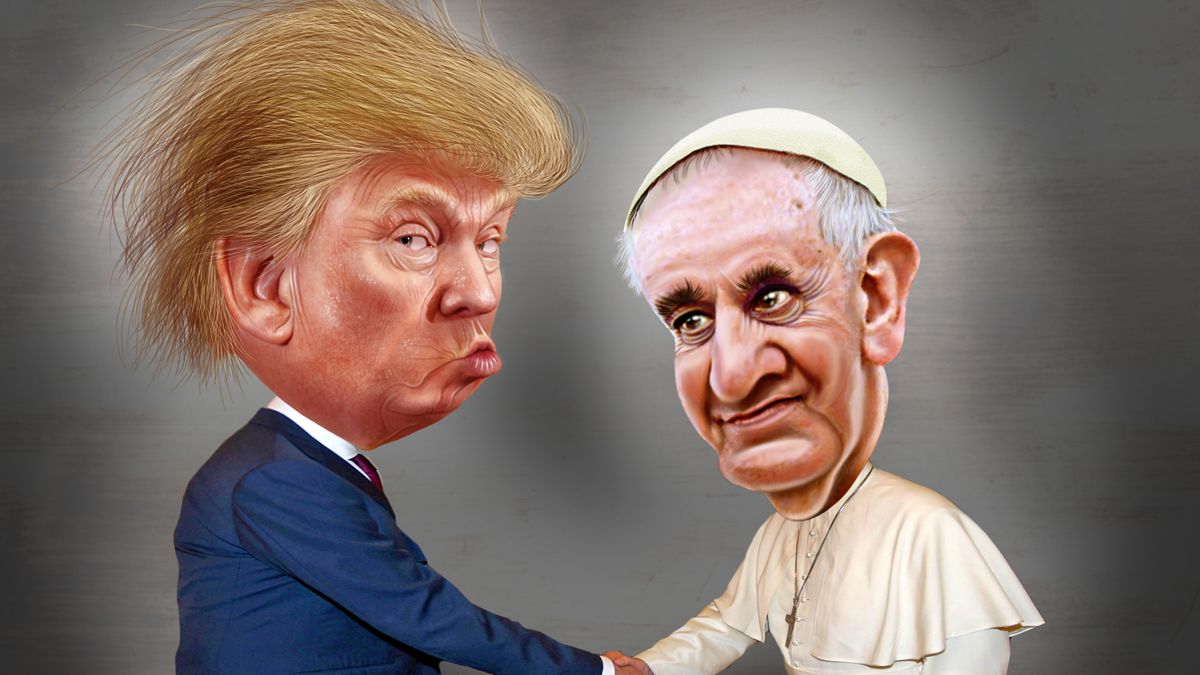
Pope Francis wrote in his private diary that he had seen the devil on three occasions during his life, according to extracts from a book published on Tuesday. The entries also describe a spiritual crisis in 2021 and 2022. The diary was edited by Cardinal Víctor Manuel Fernández, who heads the Vatican's Dicastery for the Doctrine of the Faith and has been a close friend of the late pope for many years.
The Private Diary of Pope Francis brings together writings dated from 1992 to 2024. It is being published in five languages in 94 countries by LEV, the Vatican publishing house. It is the first diary by a pope to be made public since the 1960s. Francis, born José Mario Bergoglio in Argentina, led the Catholic Church for 12 years and died in April 2025, aged 88. The Dicastery is the Vatican department responsible for Catholic doctrine. The Curia is the administrative body that runs the day-to-day business of the Holy See.
In a 2021 entry, Francis listed three encounters that he said he did not doubt were physical appearances of the devil. The first took place from a car. The second happened in the choir loft during Mass. The third occurred during a meeting, which the diary places in January 2021, when he was already pope. In one passage he wrote that he could not forget the devil's threatening eyes. He recalled one encounter, which he said took place in a Carmelite chapel while he was Archbishop of Buenos Aires, as more intense than the first, with the devil's gaze described as fiery. He wrote that he fled each time, and that the Lord gave him the chance to free himself. In one passage he wrote: "I can't forget the powerful raspiness of his voice."
The diary also records an episode from June 2018, when Francis said that, as he was getting ready to sleep, he looked into what he called the gates of hell. He wrote that the sight terrified him and that it is dangerous to approach such a place, because flames can come out and burn.
The devil's presence, according to the notes, also intruded on several of his journeys. One of them was his 2018 visit to Chile, which was overshadowed by the clerical sexual abuse scandal. Francis was criticised at the time for defending a bishop accused of covering up abuse committed by a priest. The diary expresses regret over that visit. Francis later apologised and summoned the country's bishops to Rome, where they all offered to resign.
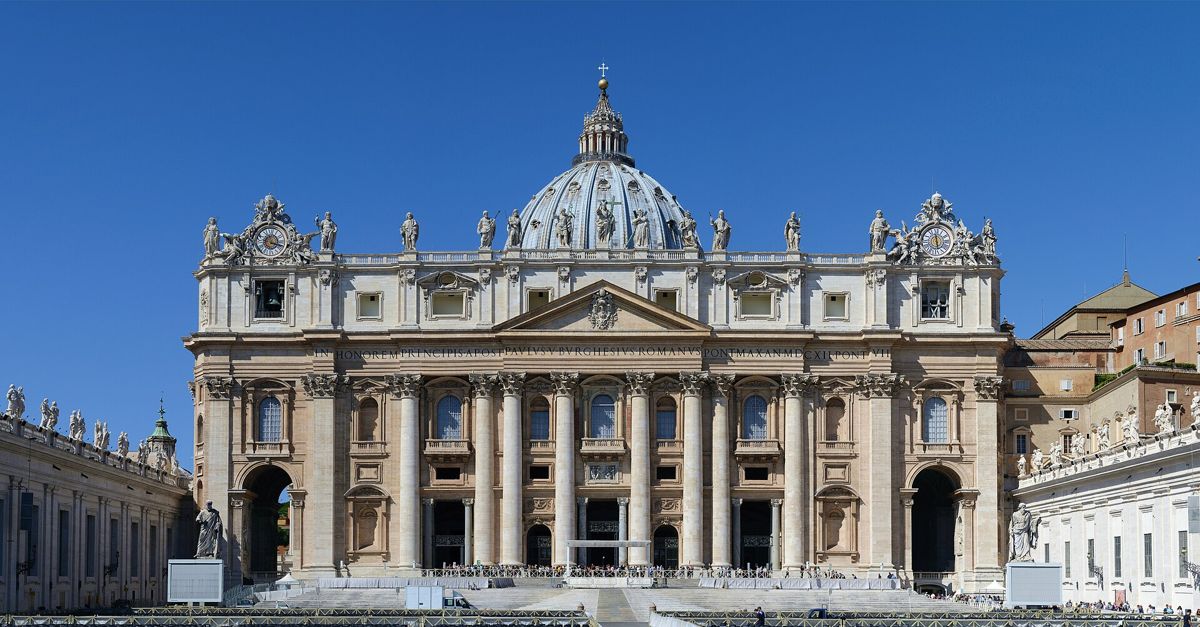
In an interview published on Monday, Fernández said that the pope had described a form of "pagan seduction" and that the most serious temptation was the misuse of power. He said the notes showed no sign of Francis being obsessed with power or mistreating people, and that the struggle was interior, a fear of reaching a demonic point. Fernández said that Francis had never confided in him on the subject and that he had doubts about publishing the notes for fear of upsetting people. He also said that Francis had been tormented by accusations in Argentina that he had been excessively harsh with subordinates during his years as a Jesuit provincial and as archbishop.
The diary places the period of crisis from early 2021 until 2022, when his illness worsened. In a 2016 entry, Francis wrote that open attacks by the devil suggested he had little time left and that the devil wanted to take him as prey. He said that he entrusted himself to God's mercy and to the Virgin Mary, notably during his pilgrimage to Fátima in Portugal in October 2023.
Fernández said the crisis led to a "spiritual renewal" that found expression in two documents: the apostolic letter Es la confianza, marking the 150th anniversary of the birth of Thérèse of Lisieux in 2023, and the encyclical Dilexit nos on devotion to the Sacred Heart of Jesus, published in 2024. The cardinal described them as the two documents that best show the Francis of that period.