
US proposes new tariffs on 14 trading partners, including China, Japan and the EU
Washington says the duties target excess industrial capacity. Reports differ on the rates for China, and the official figures are due in a Federal Register notice.
By Alberto Rodrigo, Washington
2 min read
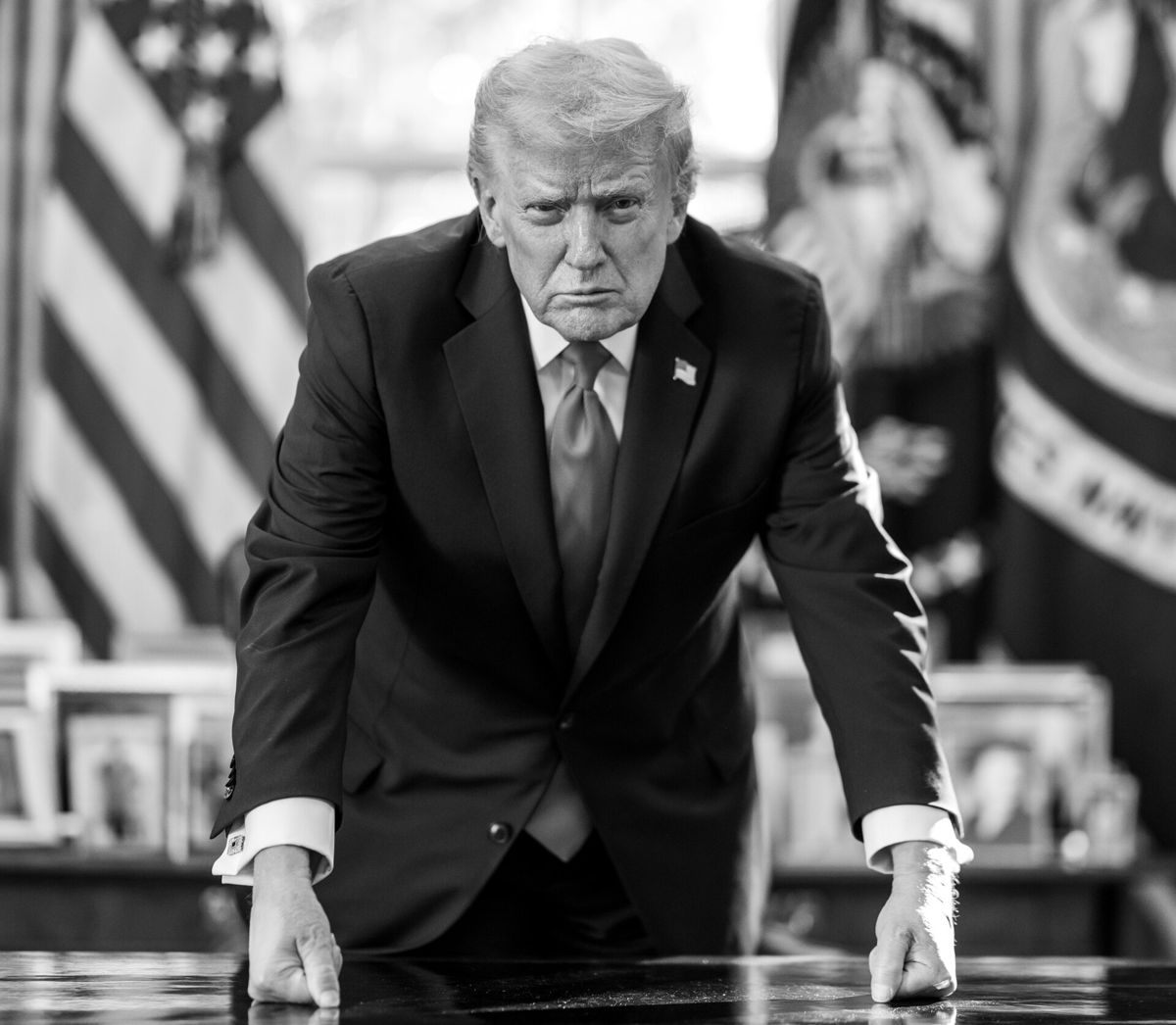
The Trump administration has proposed new tariffs on 14 of the United States' main trading partners, including China, Japan and the European Union. The US Trade Representative's office, the government agency that leads trade negotiations, announced the proposed duties on Wednesday, 25 November.
The measures follow an eight-month investigation under Section 301 of the Trade Act of 1974. That law lets Washington examine foreign trade practices that violate existing agreements, are not justified by market forces or discriminate against American goods. The probe covered 16 trading partners, including close allies Japan, the European Union and South Korea. Officials say the aim is to tackle what they call “structural excess industrial capacity”.
A senior US official listed the economies whose goods would be affected: China, Bangladesh, Cambodia, the European Union, India, Indonesia, Japan, South Korea, Malaysia, Singapore, Switzerland, Taiwan, Thailand and Vietnam. The official said the specific rates would be published in a notice in the Federal Register, the official journal where US federal agencies publish rules, later on Wednesday.
The reports available so far do not agree on the rates for China. One version says China faces the highest rate of “up to 40%”, with Vietnam at up to 35% and other partners at either 20% or 25%. Some of these rates would be effectively reduced by caps on tariffs that Trump has agreed with certain countries. A second version says a new 20% tariff would apply to some Chinese goods on top of existing import duties, bringing the total to 45%. The two accounts describe the figures differently, and neither can be checked against the official notice until it is published.
Brazil was singled out separately after trade talks stalled, the official said. The proposal includes higher import taxes on raw and refined sugar and a new 10% tariff on aircraft, which would hit Embraer, Brazil's largest aircraft maker.
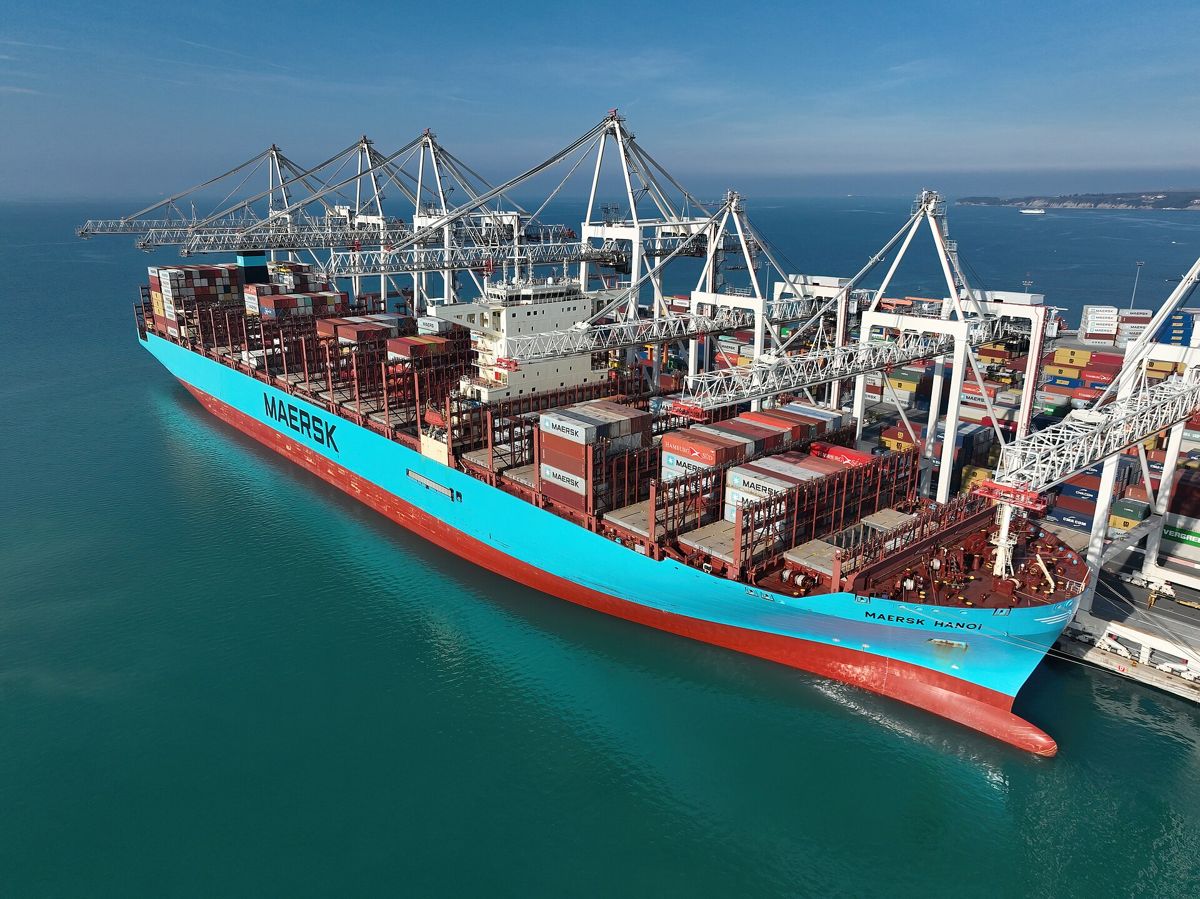
The proposals are subject to a public notice and comment period, followed by a hearing before any duties take effect. An official who briefed reporters said this process could push implementation into January. The official also said the new tariffs would be consistent with trade deals Trump reached last year with dozens of countries.
The move comes after the US Supreme Court ruled that the broader “Liberation Day” tariffs Trump had announced were illegal. The White House launched the investigation behind the new proposals in March. Trump has argued that tariffs will strengthen American manufacturing and create jobs. Economists have warned that import taxes can fuel inflation, push up prices for consumers and dampen global trade.