
UK and EU close in on post-Brexit reset ahead of Brussels summit
Negotiators provisionally agreed a youth mobility scheme of up to 100,000 people a year, while food standards and tuition fees remained open before Friday's leaders' meeting.
By Juan de la Torre, Brussels
3 min read
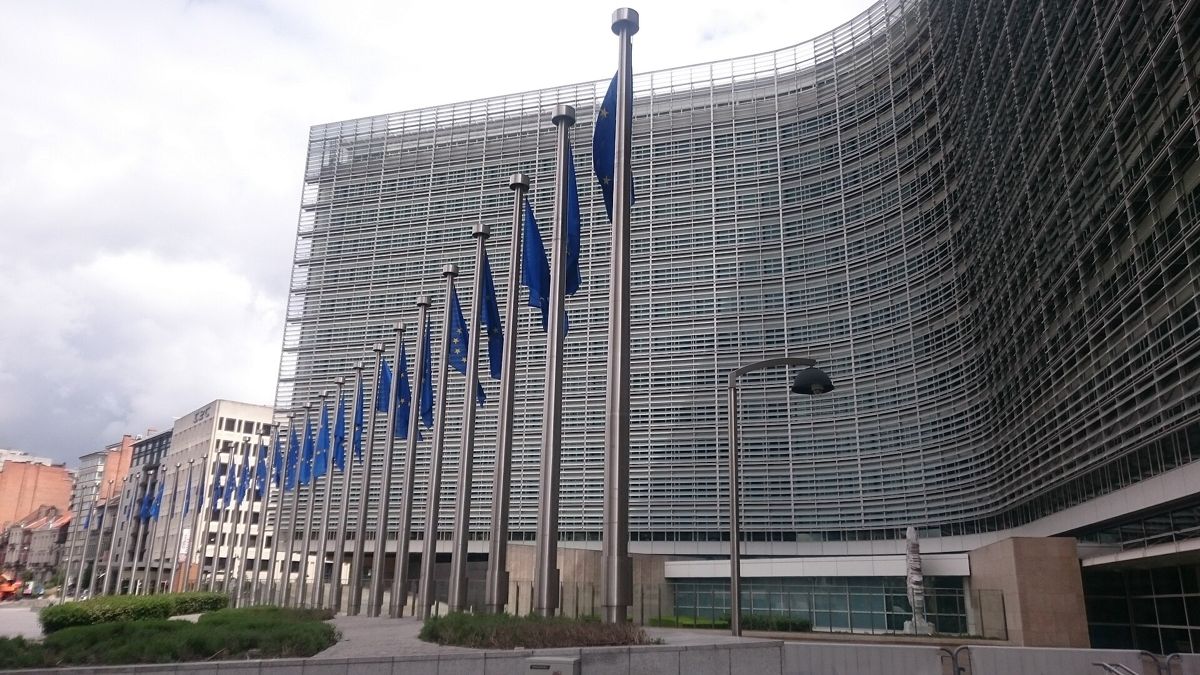
British and European Union negotiators provisionally agreed on Thursday night a youth mobility scheme that would allow up to 100,000 people from the EU to live and work in the UK each year, as both sides moved to close a reset of their relationship before a leaders' summit in Brussels on Friday. Reporting confirmed the agreement, and said a youth mobility deal was set to be signed.
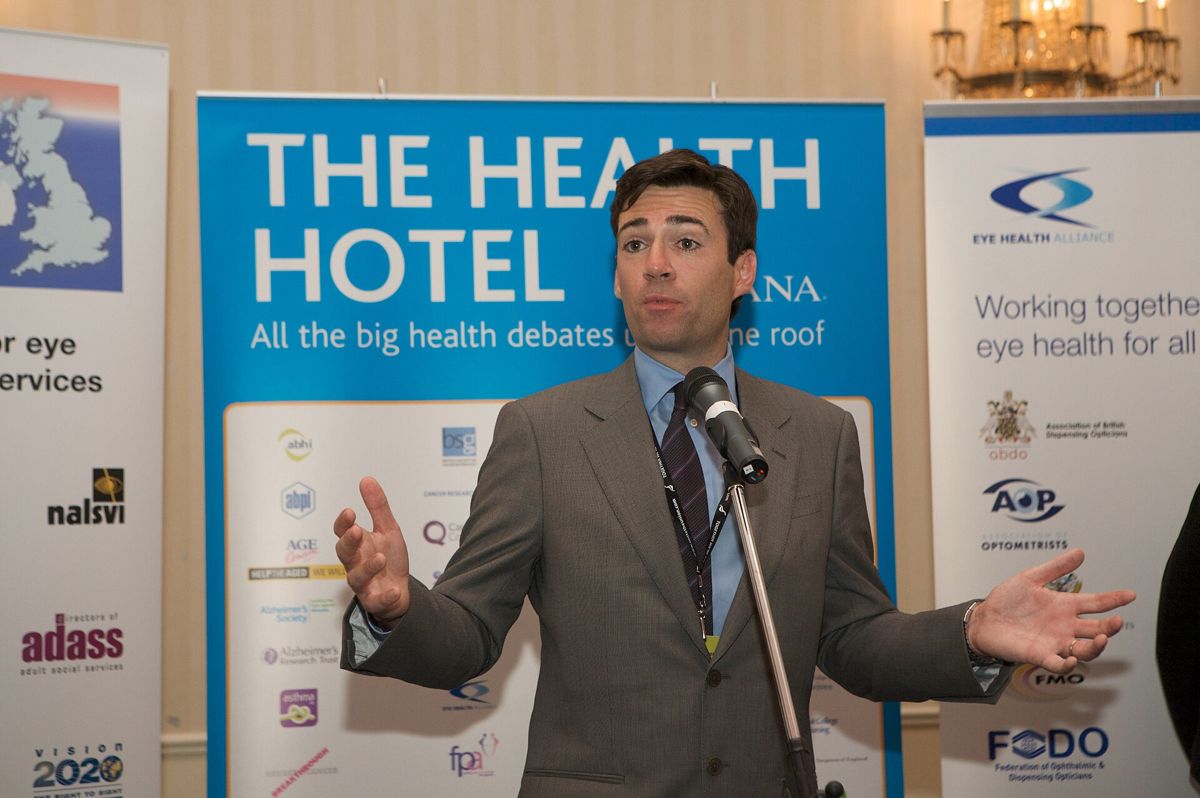
Britain left the EU in 2020, four years after a 2016 referendum in which 52 per cent of voters backed leaving. Friday's meeting is only the second summit between the two sides since then. Prime Minister Andy Burnham, the Labour leader, will meet Ursula von der Leyen, president of the European Commission, the EU's executive arm, and Antonio Costa, who heads the European Council, which groups the bloc's national leaders.
According to reports, the scheme would also allow the same number of young Britons into Europe. The UK had reportedly resisted a higher cap and had previously sought fewer places, and London had originally wanted half the figure now agreed. Germany was reported to be prepared to accept unlimited numbers of British participants each year. The age limit would rise from 30 to 31, according to reporting.
Accounts differ on tuition fees. One report said Brussels was pushing for EU students to pay home fees at British universities, and that London had agreed only to "significantly reduced" fees. Another said the EU had dropped its demand at the last minute, and that the two sides would work out the details in a supplementary agreement within six months.
The main prize is a deal on food and drink. Reporting said it would require the UK to align with EU sanitary and phytosanitary rules, the standards covering food safety and animal and plant health, from 1 March 2028. The UK reportedly estimated that removing controls on animals and plants could be worth £5.1bn a year, while a government estimate of £5bn was given for the wider economy. The three agreements together were expected to add 0.4 per cent to UK GDP.
Reports said Britain would be a "rule taker" under the food deal, with a voice but not in the room when new rules were drafted. A possible emissions deal could exempt each side from the other's carbon border levies on goods such as steel.
Opposition leaders were critical. Conservative leader Kemi Badenoch told reporters she wanted easier trade with the EU but "not trade at any cost". Reform UK leader Nigel Farage called the agreement a "very, very expensive and costly error", while Liberal Democrat leader Sir Ed Davey said Burnham was not going far enough and should return to freedom of movement.
If a deal is agreed, the government plans to introduce legislation to Parliament next week, a spokesperson for the prime minister said. Burnham's spokesperson also said the summit would be the last incremental reset meeting until formal talks begin on a longer-term relationship.