
Israel's new parliament sworn in as leaders compete to form government
Opposition leader Gadi Eisenkot has been asked to try to build a coalition and unseat Benjamin Netanyahu, but both blocs are short of a majority and the Arab-led parties could hold the balance, according to the BBC.
3 min read
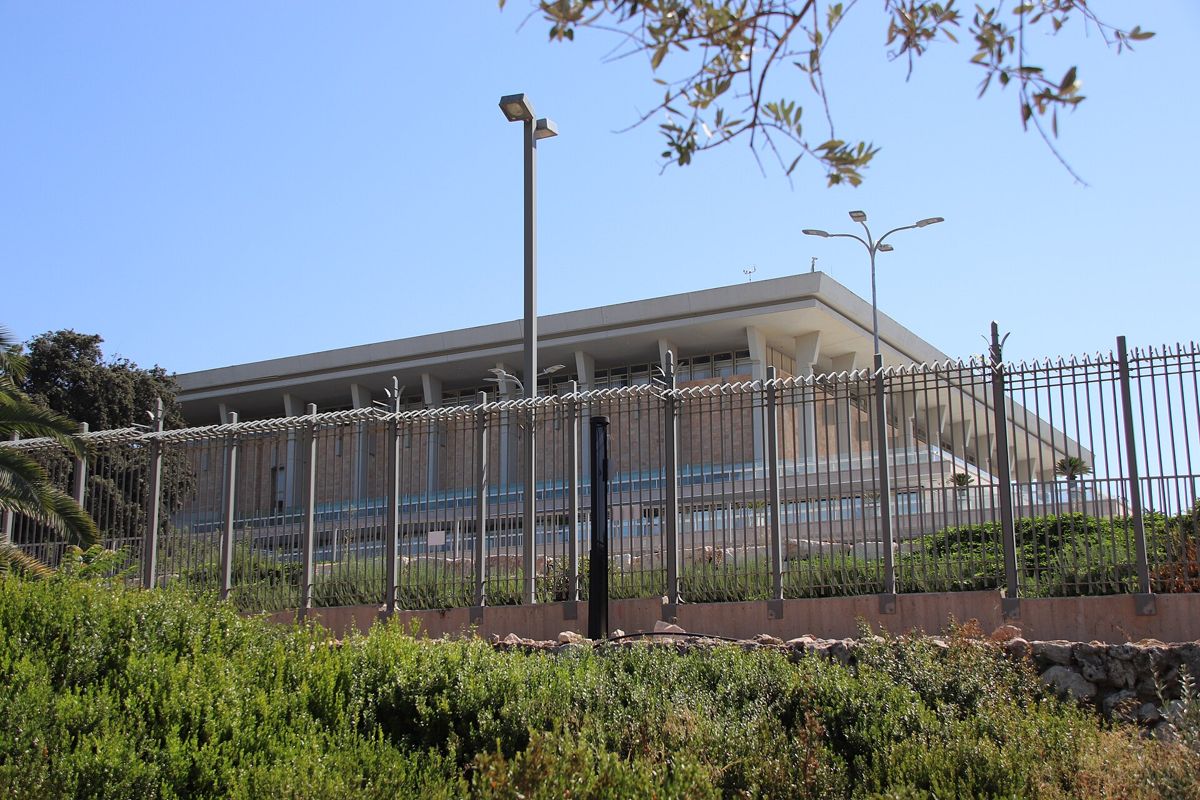
Israel's new parliament, the Knesset, has been sworn in, opening a period of negotiations over who will form the next government, the BBC reports. Opposition leader Gadi Eisenkot, a former army chief, has been tasked with building a coalition that would replace caretaker Prime Minister Benjamin Netanyahu, Israel's longest-serving leader.
The October election was widely seen as a referendum on Netanyahu, according to the BBC. Neither side won a majority in the 120-seat Knesset. Eisenkot's bloc of four parties took 48 seats, while Netanyahu's bloc took 53. Almost half of the new members of the Knesset, known as MKs, did not sit in the previous parliament. The BBC says that on Sunday President Isaac Herzog gave Eisenkot the task of forming a government, after he received more recommendations from MKs than Netanyahu did. However, not all of the MKs backing him are willing to govern together. Eisenkot has 28 days to build a coalition, with a possible two-week extension. Netanyahu stays in post as caretaker until a new government is formed, a process that could take anywhere from days to months.
Eisenkot, the leader of the centrist Yashar party, has called for a "national emergency government" that would set ideological differences aside in order to remove Netanyahu from office. He has said that any party or MK willing to accept four principles could join. These are recognition of Israel as a Jewish and democratic state, acceptance of the values of Israel's Declaration of Independence, support for mandatory military, national or civilian service for everyone including groups now exempt, and recognition of Hamas as a terrorist organisation committed to dismantling its military and governing capacities.
The BBC notes that these conditions could be hard for potential partners to accept. Ultra-Orthodox Jewish men are currently exempt from military service if they study full-time in religious institutions, and conscription was a major election issue. The ultra-Orthodox parties United Torah Judaism (UTJ) and Shas, which won 13 seats between them, have strongly opposed any change to that arrangement, which all the parties in Eisenkot's bloc campaigned to alter. The principles are also contentious for the Arab-led parties. They emphasise equal national and civic rights for Israel's Arab citizens, who make up about 20% of the population, and most Israeli Arabs are not required to serve in the military. Neither Arab alliance has publicly recognised Hamas as a terrorist organisation.
The two Arab-led alliances, the United Arab List and the Joint List, won a record 19 seats between them, the BBC says, after a rise in turnout among Arab voters. The United Arab List, with eight seats, has said it is willing to join an Eisenkot-led coalition. The Joint List, with 11 seats, has offered parliamentary support from outside the government. Even so, Eisenkot would need to persuade other members of his bloc, and Avigdor Lieberman's Yisrael Beiteinu party, which won seven seats, has so far refused to join a minority government that depends on Arab MKs. The BBC adds that the ultra-Orthodox parties would be likely to demand major concessions on conscription in return for their support, which most of Eisenkot's partners might not accept.
Netanyahu repeated in a video on Monday his call for a government of national unity, which he said he would lead as prime minister. He said any Zionist party, meaning those that support Israel as a Jewish state, including opposition parties, would be eligible. He warned against a government relying on what he called "the Islamists", an apparent reference to the Arab parties. "You cannot form a government with Hamas supporters," he said, according to the BBC.
For now, the outcome leaves Israel without a clear path to a new government. Whether Eisenkot can assemble a majority, or whether the Arab parties' position reshapes the talks, will become clearer during the 28-day window.
Source: BBC, "Israel's new parliament sworn in as leaders compete to form government".