
US regulator orders eye-condition warnings on GLP-1 weight-loss drugs
The FDA says all GLP-1 medicines must warn of NAION, which can cause permanent vision loss in one eye, although manufacturers say a causal link has not been shown.
By Carmen Pardo
3 min read
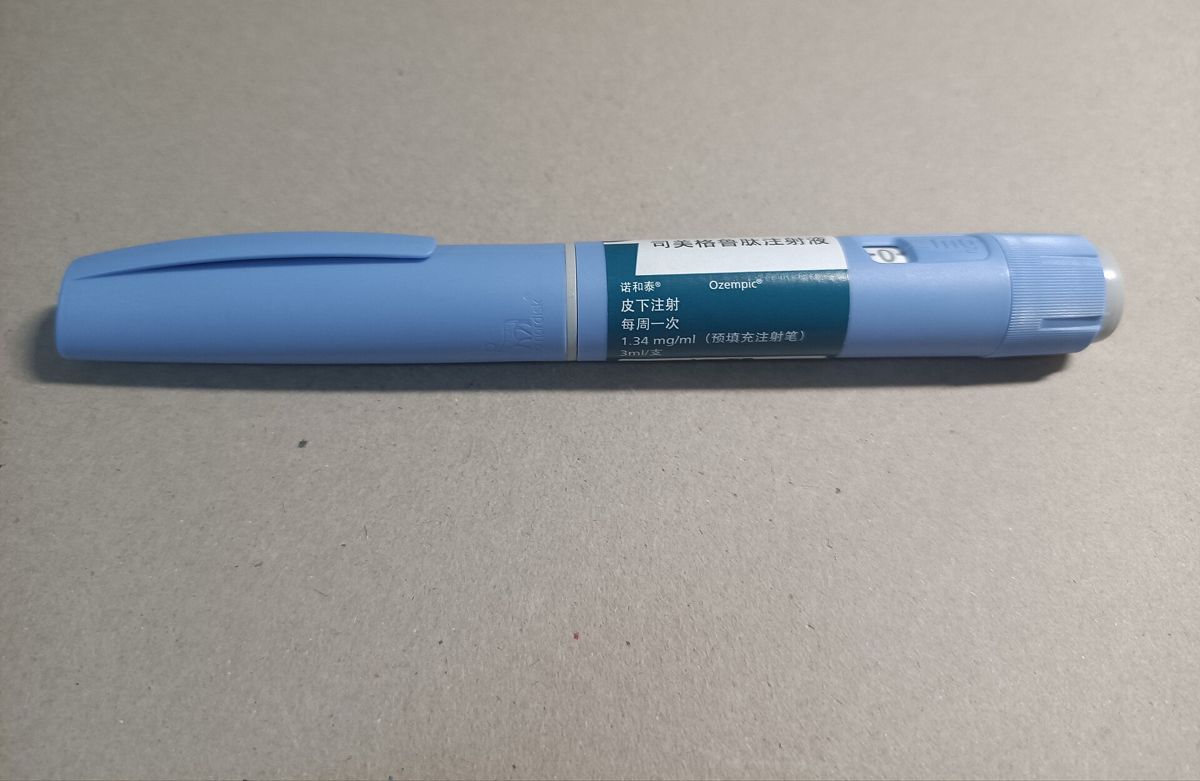
The US Food and Drug Administration (FDA), the federal agency that regulates medicines in the United States, has ordered the makers of GLP-1 drugs to add warnings about a rare eye condition that can cause sudden and permanent loss of sight. The agency announced the requirement on Monday.
The condition is nonarteritic anterior ischaemic optic neuropathy, known as NAION. It happens when blood supply to the optic nerve is suddenly reduced, typically because the vessels feeding it become blocked, which deprives the nerve of oxygen. It usually causes painless loss of vision in one eye, and that loss can be permanent. There is no known treatment that reverses it. Reports say it is the most common cause of acute optic nerve injury in people over 50, with an annual average of 2.3 to 10.2 cases per 100,000 people in that age group. Common risk factors include diabetes, smoking, high blood pressure and high cholesterol.
The FDA says the new labelling covers all GLP-1 medicines, including Ozempic and Wegovy, made by Novo Nordisk; Mounjaro and Zepbound, made by Eli Lilly; and Soliqua, made by Sanofi. Reports list the first four brands as the ones whose makers must add the warning. The agency began looking at the issue after a 2024 study in the journal JAMA Ophthalmology found an increased risk of NAION among patients using GLP-1 medicines. The FDA said that study had several limitations but that a further assessment was warranted.
The agency then reviewed 126 clinical trials involving more than 134,200 patients. It identified 15 probable NAION cases: ten among GLP-1 patients, five among patients on placebo and none among patients on other glucose-lowering drugs. According to reporting, the FDA calculated an incidence of 6.4 cases per 100,000 person-years among GLP-1 patients, compared with 3.8 among those on placebo or alternative treatments. The agency also reviewed reports of NAION in GLP-1 users. Its conclusion was that there is a potential increased risk of rare NAION events.
The FDA also noted that some research was hard to interpret, because people taking these drugs for obesity or type 2 diabetes may already have other risk factors for NAION. It said it is not known why GLP-1 users might be more at risk.
Novo Nordisk said it believes the data "do not establish a cause-and-effect relationship". The company said patient safety is a priority and that it continues to monitor its medicines. Reports say Eli Lilly had previously said it was aware of publications on the risk.
The American Academy of Ophthalmology said that "any added risk appears small, and it has not been established that these medications cause NAION". It advised patients not to stop their medication without speaking to a doctor, and to see an eye specialist promptly if they notice sudden, painless vision loss in one eye.
Earlier evidence has been mixed in its strength. Reports say the safety arm of the European Medicines Agency said last year that up to 1 in 10,000 people taking semaglutide, the main ingredient in many GLP-1 drugs, may be affected by NAION. Reports also cite a study of 17,000 patients by US researchers, published two years ago, which found semaglutide users were four times more likely to be diagnosed with NAION. One of its authors, Harvard Medical School ophthalmology professor Joseph Rizzo, described the findings as "significant but tentative" and said more research was needed in a more diverse population.
The findings show an association between the drugs and the condition, but not that the drugs cause it. The regulator has not said that the medicines are unsafe, and manufacturers dispute that a causal link exists.