
BepiColombo enters orbit around Mercury after eight-year voyage
The European-Japanese mission, which the BBC says has taken a looping route past Earth, Venus and Mercury, will study ice in the planet's craters and mysterious hollows on its surface.
By Carmen Pardo
3 min read
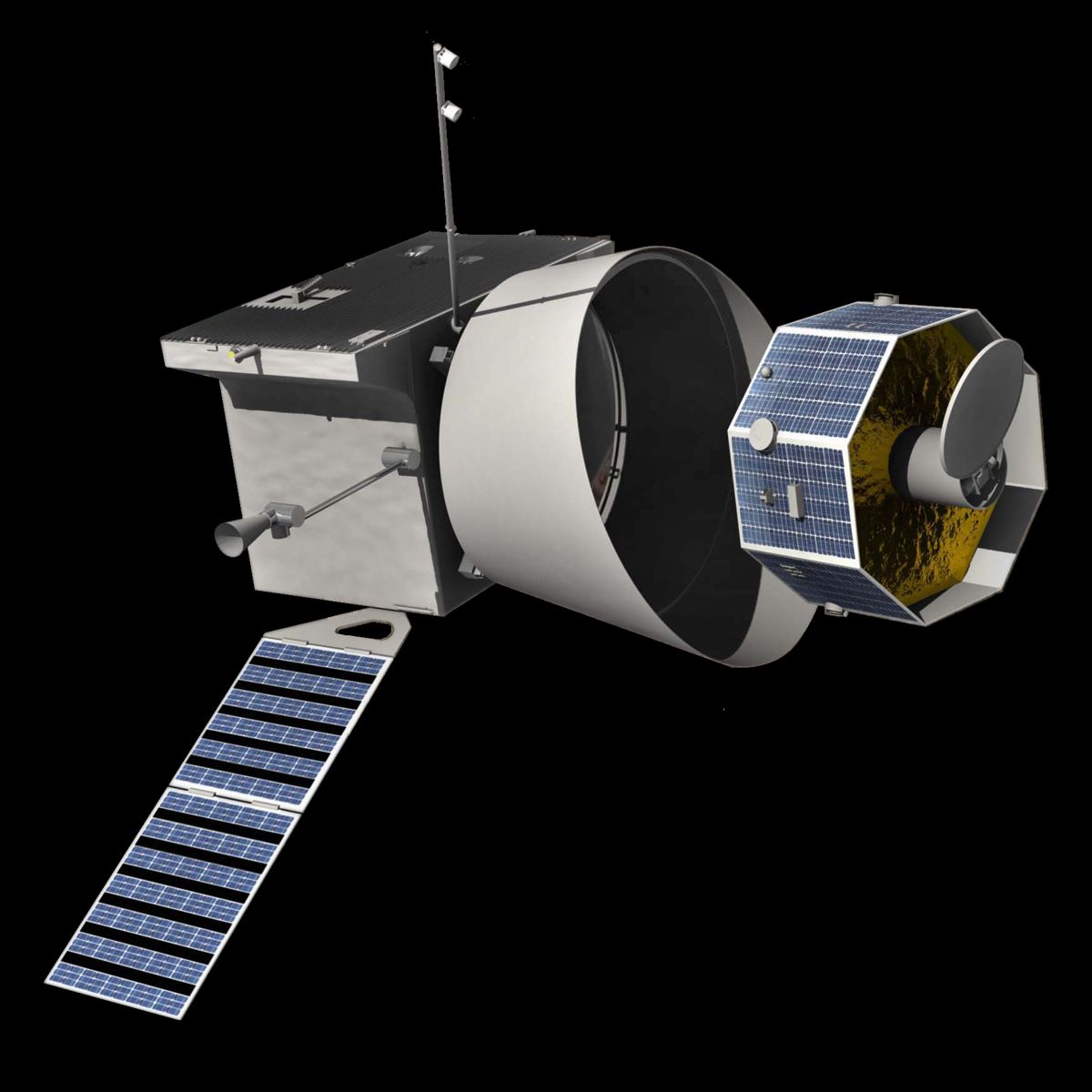
According to the BBC, the BepiColombo spacecraft has completed an eight-year journey of almost six billion miles (10bn km) and is now in orbit around Mercury, the closest planet to the Sun. The BBC describes the mission as a collaboration between the European Space Agency (ESA) and the Japanese Space Agency (JAXA). It was launched from French Guiana in 2018. Although it is sometimes associated with NASA, the BBC's report does not describe it as a NASA project.
Before BepiColombo, only two spacecraft had visited Mercury, and both were NASA missions, according to the BBC. Mariner 10 flew past the planet three times in the 1970s. Messenger arrived in 2011 and spent four years in orbit.
The environment is hostile. The BBC reports that temperatures on Mercury can reach 430°C and then fall to -180°C, and that the planet is constantly exposed to intense solar radiation. The spacecraft had to contend with the Sun's strong gravitational pull, so it kept its brakes on for the whole journey. Its route looped once around Earth, twice around Venus and six times around Mercury, slowing it enough to enter orbit.
The BBC says the journey was meant to take seven years, but a problem with the propulsion system extended it by a year. The final manoeuvre lasted 37 minutes and allowed the planet's gravity to capture the probe. ESA said on X that the probe had made contact and that its telemetry confirmed it was flying around the planet.
The mission aims to answer several puzzles. Mercury has ice in its polar craters despite its proximity to the Sun. It is also covered in thousands of shallow hollows with steep sides, which the BBC says are about 100,000 years old. Scientists know they are not impact craters, but they are not sure how they formed. Mercury is only slightly larger than the Moon, yet it has a very large metal core.
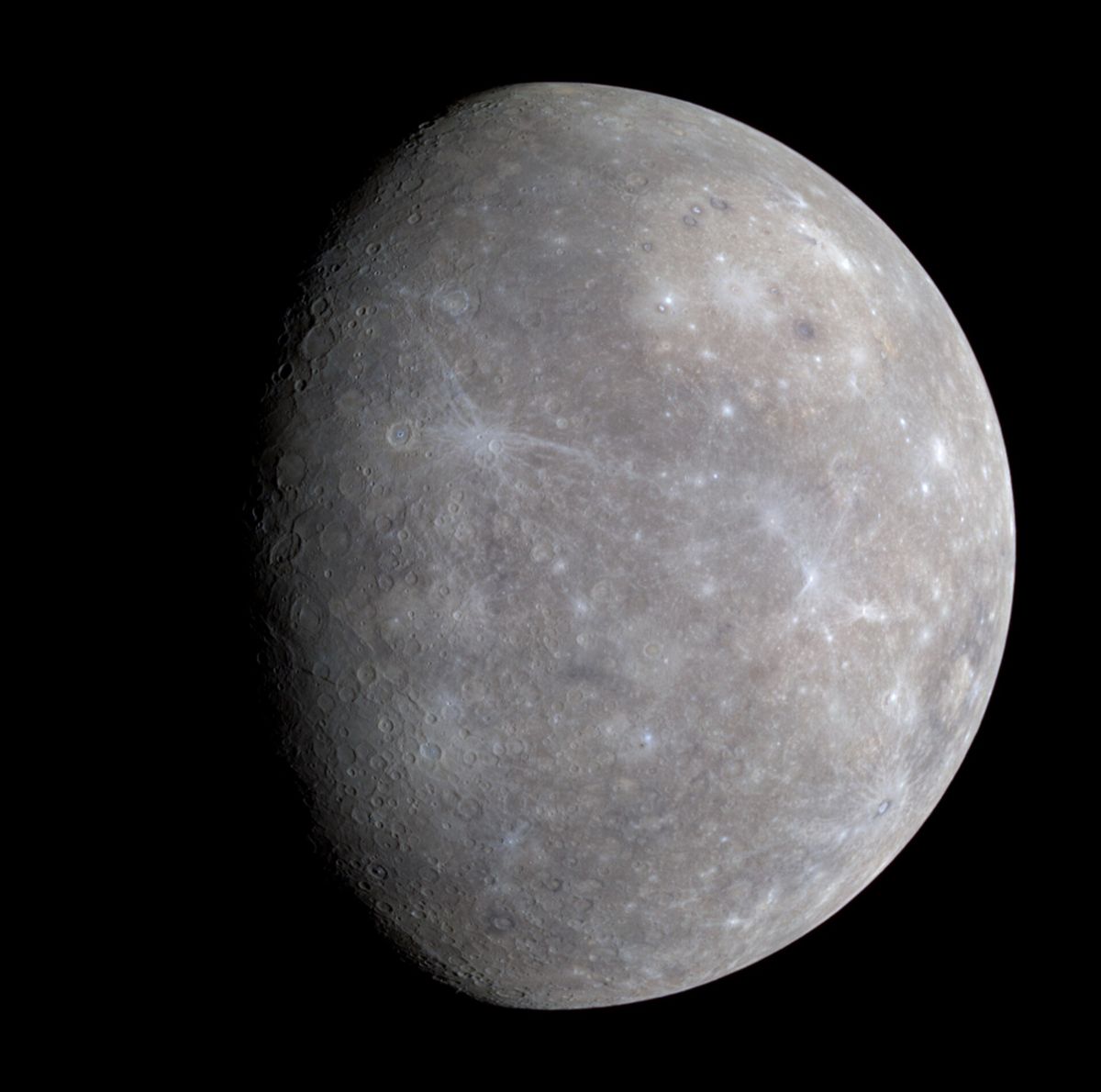
Professor Emma Bunce of Leicester University, a principal investigator on the mission, told the BBC that Mercury is "a little bit of an under-loved planet in the inner Solar System". She said one explanation for the large core is that a collision stripped away the mantle, or that a series of collisions did so. Another possibility, she said, is that the planet formed that way in a metal-rich part of the early Solar System.
BepiColombo carries two orbiters. The ESA craft will study the surface up close, while the JAXA craft will observe the planet from a distance. The BBC reports that the two must now separate after being joined for launch and the long journey. Jessica Marshall, a systems engineer at Airbus, which built the spacecraft, told the BBC that the separation would be a tense moment for the team.
With two orbiters carrying instruments, the team hopes to answer some of Mercury's mysteries, although, as the BBC notes, the science may reveal new questions once it begins.