
Charity says millions in Ebola funds unaccounted for as DR Congo staff go unpaid
Médecins Sans Frontières says front-line workers lack pay, training and supplies as the outbreak continues, according to BBC reporting.
By Carmen Pardo
3 min read
Hundreds of millions of dollars meant to fight Ebola in the Democratic Republic of Congo are not reaching the intended recipients, a medical charity has warned, according to the BBC.
The medical charity Médecins Sans Frontières (MSF, or Doctors Without Borders) said in a report that the outbreak remained "out of control" while front-line workers went unpaid, lacked proper training and faced shortages of essential supplies. The BBC reports that more than 5,400 people have died and 11,000 have been infected in DR Congo since the outbreak was declared in May. It makes this the second-deadliest Ebola outbreak ever recorded.
MSF urged the Congolese government and UN agencies to strengthen oversight and accountability, so that money already disbursed is used effectively. According to the BBC, the charity said this means making sure response staff are trained, paid, equipped and supported, and directing resources towards the areas of greatest need.
The BBC links the warning to concerns raised last month by Africa CDC, which said $700m (£527m) of the $962m disbursed to organisations running the Ebola response could not be accounted for. Its chief, Jean Kaseya, said it was too early to call this embezzlement and described it instead as a major failure of transparency and financial reporting.
The Congolese health minister, Samuel-Roger Kamba, said aid agencies must provide details of their work so the ministry can oversee the response, but that only 22% had done so. He wrote on X: "Our requirement is clear: transparency must be total."
MSF also questioned the monitoring effort. It said surveillance teams existed "on paper" but were not visible on the ground, and that two-thirds of deaths were occurring in communities rather than treatment centres. Contact tracing, which means finding people who have been in contact with an infected person and isolating them, remains a key gap. Citing Reuters, the BBC reports that British epidemiologist Neil Ferguson estimates that more than half of cases are going undetected, and that the outbreak is likely to last another year.
The charity said the response was too slow in North Kivu province, while Haut-Uélé remained "dramatically overlooked". In both provinces, health facilities lacked water, chlorine and triage systems, which MSF said had turned some of them into new centres of transmission.
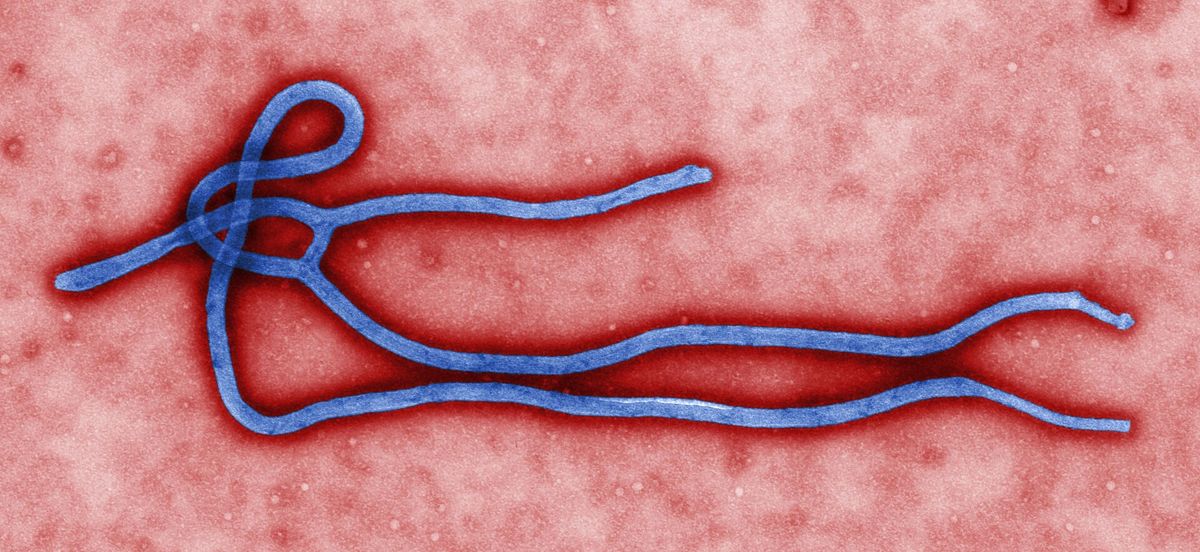
The epicentre is in eastern DR Congo, a region that has been affected by conflict for decades, with some areas under rebel control and very few good roads. The current outbreak is caused by the Bundibugyo species of the virus, which is relatively rare and has no approved vaccine or treatment, although trials are under way. The BBC also reports cases in Kenya, Uganda and Nigeria. On Wednesday, the last person infected with Ebola in Kenya was discharged, a milestone in the country's efforts to contain the disease.