
Kenya discharges last Ebola patient, starting 42-day countdown to being declared free of the virus
According to the BBC, all 135 identified contacts have completed their monitoring, and the East African country now waits 42 days before an official declaration.
By Carmen Pardo
3 min read
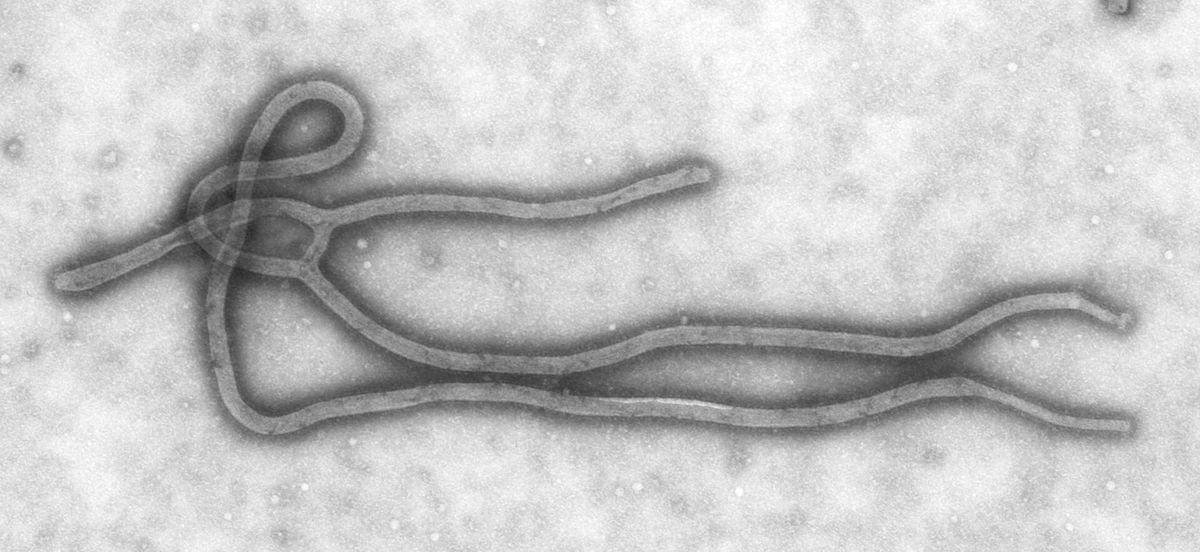
Kenya has discharged its last Ebola patient, the seventh person to recover from the virus, a step the BBC describes as a major milestone in the country's efforts to contain the disease. The broadcaster reports that the country now begins a 42-day countdown before it can be officially declared Ebola-free. The final patient was cleared on Wednesday.
According to the BBC, Kenya confirmed its first case in early October, when a Kenyan businessman died within days of arriving in the capital, Nairobi. He had caught the virus in the Democratic Republic of Congo (DR Congo), where more than 5,000 people have died in an outbreak that began in May. His mother also died later.
The BBC reports that all the Kenyan cases were linked to that businessman, who travelled from DR Congo through Uganda, and that health officials have found no evidence of wider community transmission. Four of the recovered patients were healthcare workers. Five patients were discharged on 3 November, a sixth three days later, and the last one this week.
Kenya's health minister, Aden Duale, told the BBC that 135 identified contacts of the infected patients had also completed their 21 days in isolation. The Africa Centres for Disease Control and Prevention (Africa CDC) called the development an important achievement in the regional response. Its chief, Jean Kaseya, wrote on X: "This is an encouraging moment for Kenya and for Africa."
Duale said the government would maintain heightened surveillance at border crossings, airports, health facilities and communities during the countdown. Health authorities will continue to monitor travellers arriving from affected countries. Kenyans returning from Ebola-affected areas must complete electronic health declarations before travelling, be screened on arrival and spend 21 days in quarantine under health teams' supervision.
The minister also urged countries that have imposed travel and visa restrictions to reconsider them, saying Kenya has no intention of serving as a quarantine centre for another country. The BBC recalls that in May a Kenyan court suspended US plans to open an Ebola quarantine facility for American citizens. Kenya has maintained that there is no need to restrict domestic travel, trade or public gatherings.
The outbreak has nonetheless disrupted international travel. The BBC reports that Saudi Arabia stopped issuing visas to Kenyan nationals in late October, causing concern among people seeking work there. Separately, the United Arab Emirates has lifted its suspension on new visas for Ugandan nationals, although Ugandans must spend at least 21 days outside Uganda before travelling to the UAE.
The strain behind the current DR Congo outbreak is Bundibugyo, which the BBC describes as relatively rare, with no approved vaccine or treatment, although trials are under way. Uganda, which was among the first countries affected, declared its own outbreak over on 27 August. Under World Health Organization (WHO) guidelines, 42 days must pass after the last patient tests negative and is discharged, or after the last Ebola victim is safely buried, before an outbreak can be declared over.