
Swim through Strait of Hormuz highlights environmental cost of war
Lewis Pugh's three-day swim of about 15km passed near a burning gas carrier, according to the BBC, as he called for action on damage to marine life.
By Carmen Pardo
2 min read
A British endurance swimmer has completed a three-day swim through the Strait of Hormuz to draw attention to what he describes as the environmental cost of the conflict involving Iran, according to the BBC.
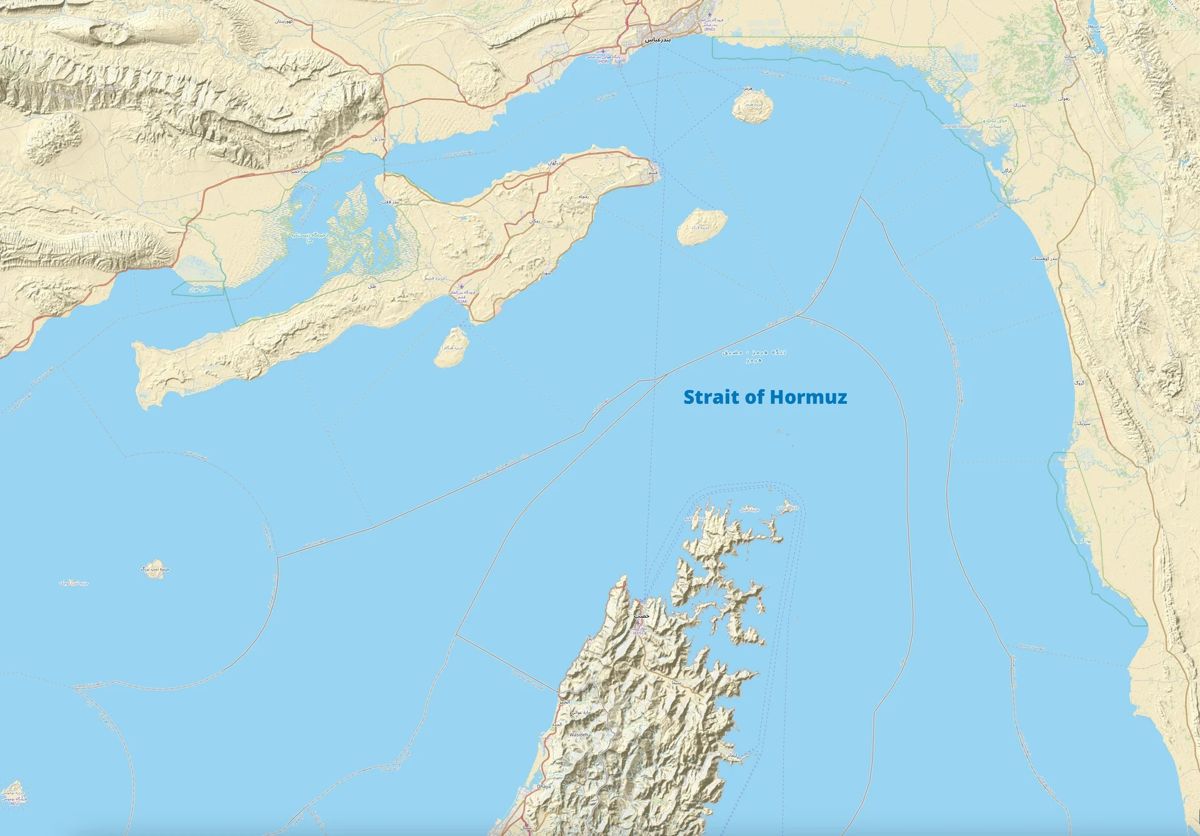
Lewis Pugh, a UN Patron of the Oceans, swam about 15km (9.3 miles) through the strategic waterway, which is a key route for oil shipments from the Middle East. He swam from Musandam Island to the Cape of Hormuz, at the northern tip of Oman's Musandam Peninsula. The BBC reports that he is believed to be the first person to attempt a long-distance swim in the strait since the conflict began in March.
Pugh, 56, who was born in Plymouth, Devon, is calling for an end to the fighting, the reopening of the Strait of Hormuz and action to address the environmental damage caused by the conflict. He argues that damage to nature receives far less attention than the human toll of war.
The swim was not without incident. According to the Lewis Pugh Foundation, an oil tanker was struck by a projectile about 4km (2.5 miles) from where he was swimming on the first day. On the second day, the BBC reports, he saw flames rising above a headland that separated him from the burning liquefied petroleum gas carrier Tara Gas, and later passed close to the vessel while it was still on fire.
"My immediate thoughts were for the seafarers on board," Pugh said. He added that these vessels carry highly flammable gases and that an attack on one could have catastrophic consequences, not only for crew members but also for the surrounding marine environment.
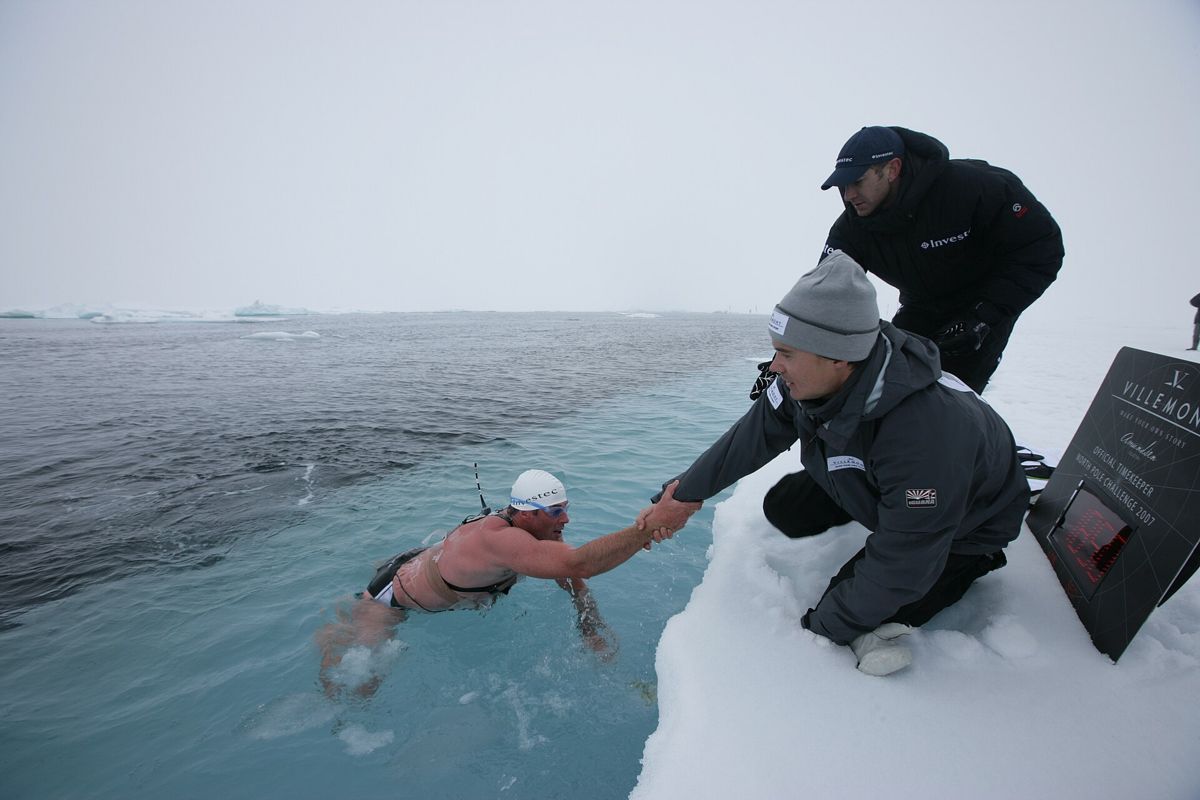
The strait is one of the world's most important shipping routes and is also home to wildlife including dugongs, sea turtles and whale sharks. Pugh said oil spills and other contamination could have long-term consequences for marine ecosystems, including coral reefs, seagrass meadows and mangrove forests. "War causes immense human suffering," he said, "but there is another casualty that receives far too little attention: nature itself."
The BBC's account is based on Pugh's own description of the swim and on statements from the Lewis Pugh Foundation. The report does not include a response from the parties involved in the conflict.