
UK and EU agree post-Brexit reset deal on trade and youth mobility
Andy Burnham and Ursula von der Leyen announced three agreements in Brussels, but a dispute over tuition fees for EU students could derail them within six months.
By Juan de la Torre, Brussels
3 min read
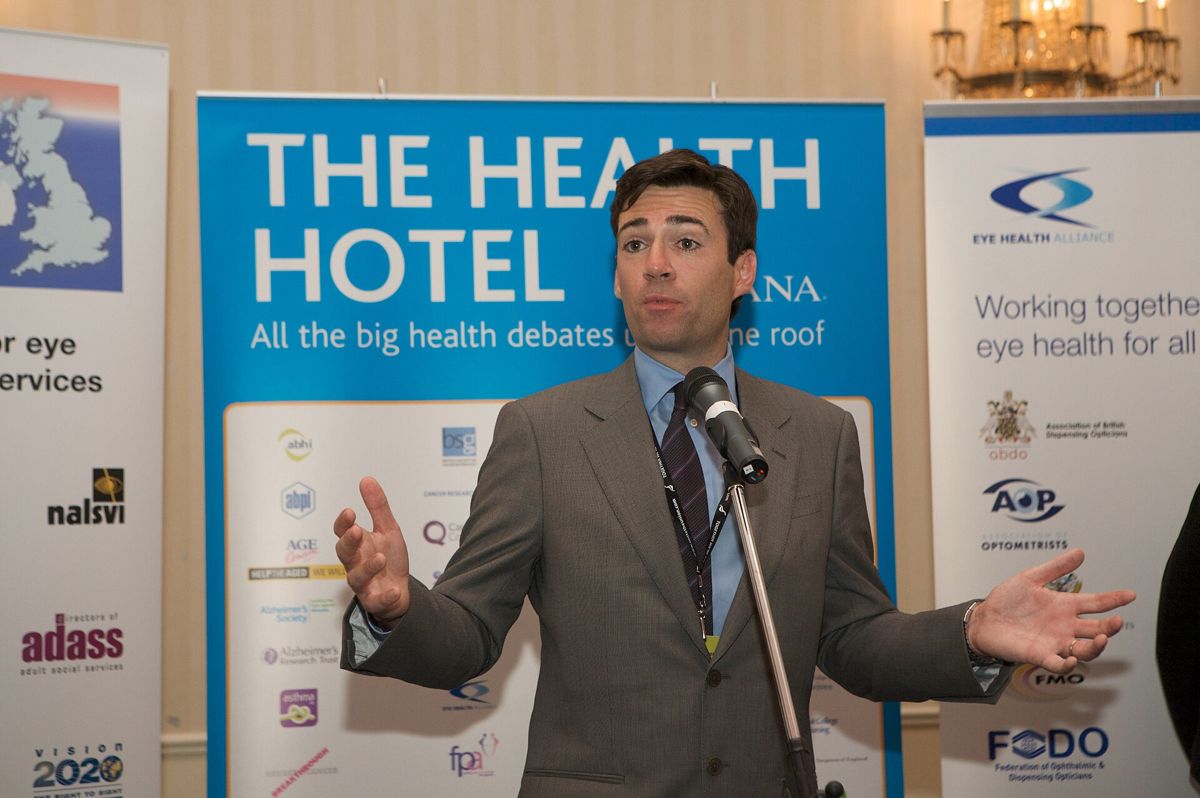
Britain and the European Union have agreed a set of trade and mobility deals that Prime Minister Andy Burnham described as the biggest step towards closer ties since Brexit. The agreements were announced on Friday at a summit in Brussels, the EU capital, and cover food and drink, emissions trading and a youth mobility scheme. Burnham succeeded Keir Starmer, whose resignation led to the summit being postponed from July.
The most significant element is the removal of most checks on British food, animal and plant exports to the EU, which the UK says will cut costs for businesses. In return, the UK will follow some EU regulations from 2028, according to reports. British experts will be invited to relevant EU meetings, including on animal health emergencies, but Britain will not have voting rights. Critics argue this makes the UK a "rule taker" rather than a rule maker, a charge the government rejects.
The two sides have also concluded talks on linking their emissions trading systems, with the aim of applying the arrangement from 2028. According to live reporting, this would exempt goods such as steel from each other's border carbon levies.
The youth mobility scheme would allow up to 100,000 people aged 18 to 31 from each side to live, work and study in the other for up to three years, according to reports. Live coverage describes the figure as 100,000 a year. The two sides want the scheme to be running by January 2030 at the latest.
Burnham said the Treasury estimates the package could add up to 0.5% to UK gross domestic product, a boost of up to £17bn a year. The Conservative leader, Kemi Badenoch, said the deal "isn't fair" and questioned the figure, claiming that the only modelling she had seen suggested an impact of 0.0%.
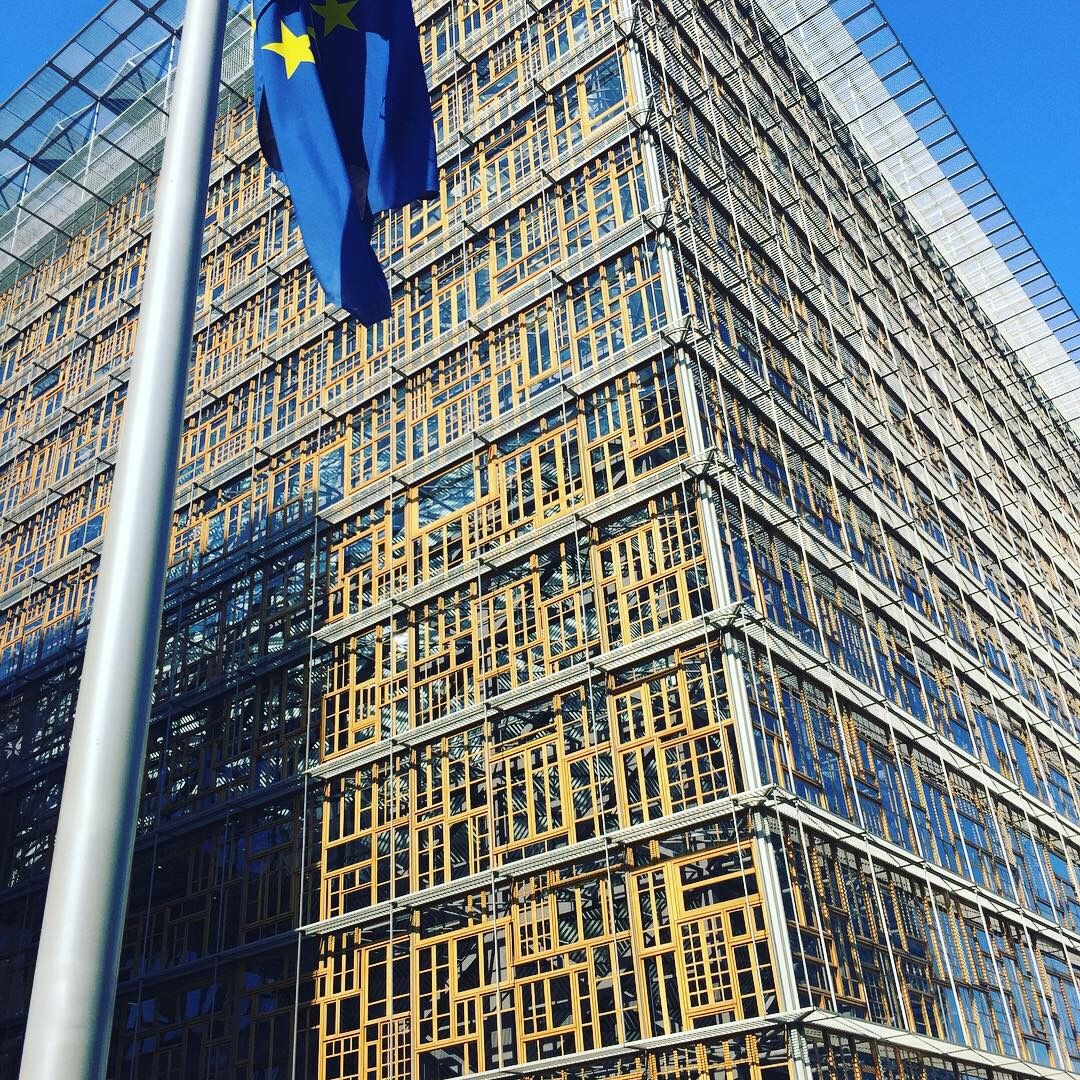
The main unresolved issue is tuition fees. The EU has said it will not adopt the three agreements until there is equal treatment for EU students at British universities, according to a confidential declaration seen by reporters. Britain prefers to offer only "significantly reduced" fees, and the aim is to settle the matter within six months. Von der Leyen said she was "confident we are going to find a solution", while Burnham said: "The deal is done."
Nigel Farage, leader of Reform UK, said the agreements were the first steps towards rejoining the EU and accused Burnham of betraying voters. The Liberal Democrats' Ed Davey said the youth scheme was a step forward but that Britain needed a much broader deal. Burnham said the package was probably the limit of what could be achieved in this Parliament and that a wider discussion about the long-term relationship would inform the next one, which must be held by August 2029.