
Burnham says EU deal offers 'very real prospect' of a better decade
Officials insist the prime minister is not backing away from closer links with the EU, even as the timetable for his options on the long-term relationship appears to slow.
By Juan de la Torre, London
3 min read
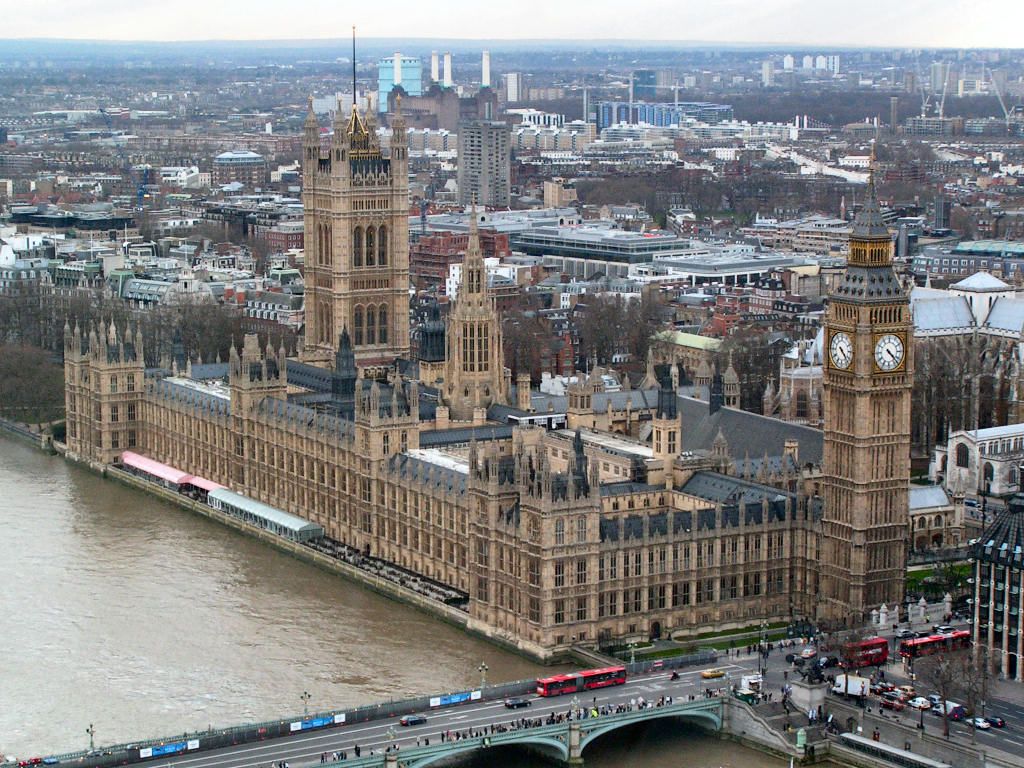
Andy Burnham, the Labour prime minister, will tell MPs in the House of Commons, the lower house of Parliament, on Monday that the deal agreed with the European Union on Friday gives Britain a chance to make the next decade "much better" than the last. He will say the agreement offers "a very real prospect" of that outcome, and that the choice is between a "broken status quo" and change.
The deal, reached at a UK-EU summit in Brussels, contains three agreements. Most checks on British food and drink exports would be scrapped from 2028, in return for the UK following some EU regulations. The two sides also agreed to cooperate on emissions trading. A youth experience scheme, due to start no later than January 2030, would let up to 100,000 people aged 18 to 31 from the EU travel, work and study in the UK for up to three years, with the same number of young Britons allowed into the EU. Burnham has said the deal could add £17bn to the British economy, and will describe it as the "single biggest growth measure" of this Parliament.
Opposition parties have been critical. The Conservatives, led by Kemi Badenoch, say the arrangement is unfair because British farmers would have to follow rules made in Brussels. Badenoch is due to say at the CBI conference, the Confederation of British Industry's annual event for business leaders, that the prime minister should aim higher on economic growth. Reform UK, led by Nigel Farage, says closer ties with the EU would be a "disaster" for British businesses and that his party would reverse the deal.
The question of whether Burnham is moving away from closer EU ties has also been raised. On Friday he said both sides would begin an informal process of "brainstorming" the options for the UK's long-term relationship with the EU. He said the deal was probably the limit of what could be achieved in this Parliament, and that the options would be set out for the next one. Government officials have rejected the idea of a slowdown. One said: "There is no backtracking or pumping the brakes." Another said there had been no change to the timetable since the summit. Burnham has ruled out major changes before the next general election, saying he will keep to Labour's 2024 manifesto pledge not to return to the single market, the customs union or freedom of movement.
The agreements are not yet in force. Member states, including France and Italy, said in a joint statement that the deal would not be implemented unless the UK offered terms on tuition fees for EU students at British universities. Foreign Secretary Ed Miliband said at the weekend that the UK is currently a "rule taker" for businesses selling into the EU, and that closer integration would give Britain a say in the rules.
Former prime ministers have also weighed in. Theresa May, a Conservative, said she was "aghast" at the idea of renewed EU membership talks, and urged the government to respect the 2016 Brexit referendum result.