
US Army plans to detonate unstable explosives in Iowa despite court order
The Army says the stored lead azide could explode in cold weather. Environmental groups and their lawyers argue the emergency is not valid and that nearby residents were given too little notice.
By Juan de la Torre, Middletown
3 min read
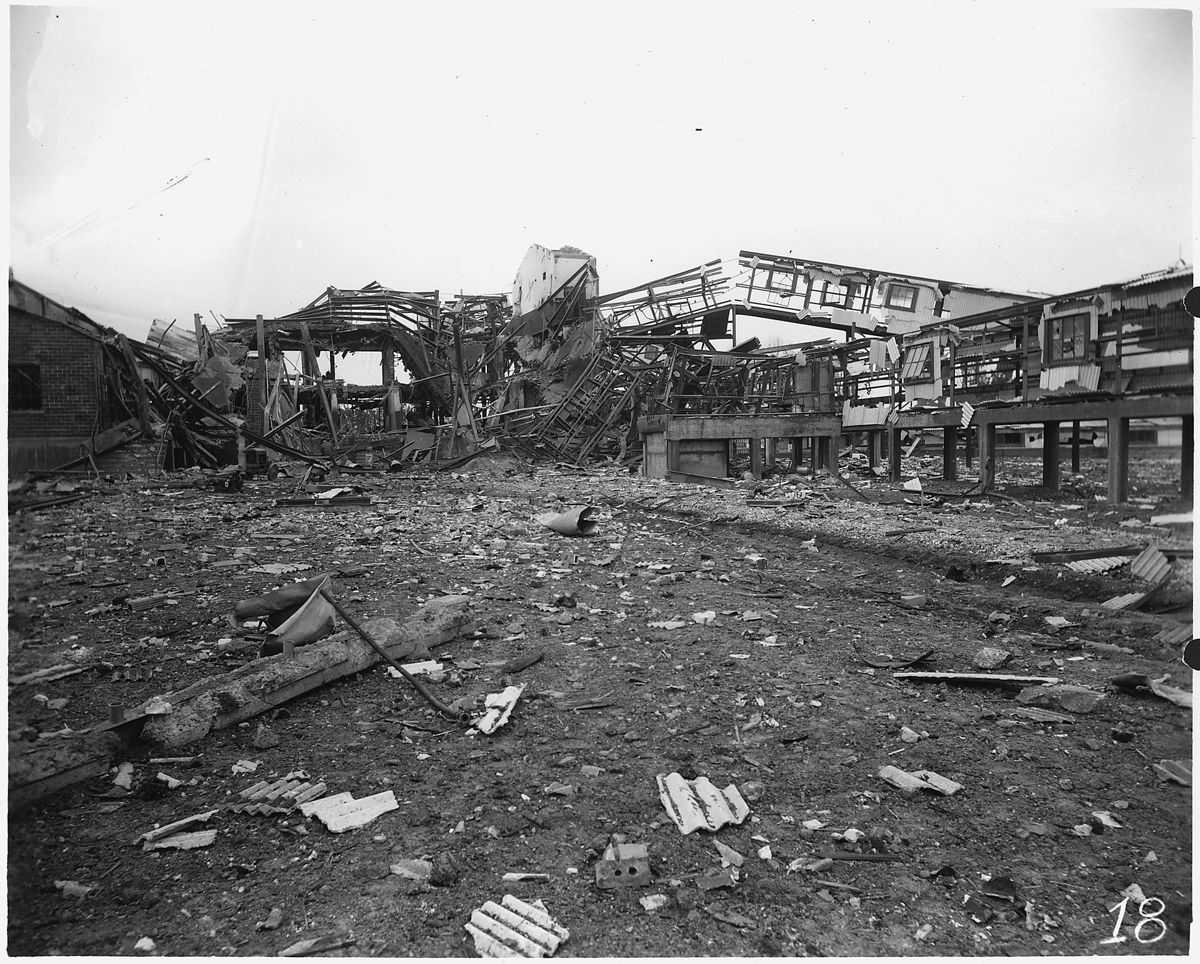
The US Army plans to detonate explosives at a military site in Iowa this week, even though a federal appeals court has ordered a pause on the plan. The material is lead azide, a volatile compound used in detonators, stored at the Iowa Army Ammunition Plant near the town of Middletown.
The Army says the stockpile has deteriorated and could explode without warning. The material has been kept for more than two decades in a mixture of water and ethanol to keep it stable. In March, military technicians found that the liquid in the drums had evaporated, leaving needle-shaped crystals. According to a court declaration by an Army munitions expert, those crystals raise the risk of an explosion from temperature changes or friction, and the barrels can no longer be safely opened.
The stockpile contains roughly 9,700 pounds (4.4 tonnes) of lead azide across 68 drums. Lead accounts for about 6,900 pounds of its chemical mass. Descriptions of the total weight of the material vary between sources, so the 4.4-tonne figure refers to the lead azide itself.
The Army has said it considered other options. Its environmental assessment rejected chemically neutralising the explosives, moving them to an on-site detonation facility and burying the drums, because each could cause an accidental blast. The Army therefore intends to detonate the drums in place.
The Environmental Protection Agency (EPA) granted an emergency permit on 13 November. The Sierra Club and the Iowa Environmental Council, which sued last Thursday, question its legality and say the agency did not properly assess safer disposal methods. The US Court of Appeals for the Eighth Circuit, a federal appeals court, paused the permit on Friday.

In a filing on Saturday, the Justice Department argued that the Army could still carry out the detonation under a separate emergency exemption that does not depend on the permit. The plaintiffs say this would bypass the court. Thien Chau, a lawyer with the legal group Earthjustice, which represents the plaintiffs, said: "Anyone can claim an emergency at any point and do whatever they want."
Reports on timing differ. A fact sheet from the Iowa Department of Health and Human Services describes two controlled explosions on Monday. The Justice Department has described Tuesday as the deadline for carrying out the planned detonation. The government has not released details of the rescheduled detonation.
The Army has published plume maps showing how lead could spread across eastern Iowa, depending on wind conditions. Residents in the projected path have been told to stay indoors, shut their windows and limit outdoor exposure. People living near Middletown City Park and Butterfly Park were told to leave their homes for six hours to avoid vibrations that could break windows. The plaintiffs argue that residents received only about a week's notice.
David Cwiertny, a University of Iowa professor who directs the Center for Health Effects of Environmental Contamination, warned that lead on farm fields, gardens and topsoil cannot be cleaned as easily as furniture, and that field sampling would be needed after any detonation. Experts say there is no safe level of lead exposure.
On Sunday, the plaintiffs filed a motion asking the court to pause proceedings so they can submit more information. It includes declarations from environmental experts and local officials who question the Army's claim that a delay would create significant risks. Earthjustice has said that "this emergency is of the Army's own making" and questioned why the material was not disposed of earlier.