
EU opens antitrust investigation into Coca-Cola's European bottler
Brussels suspects Coca-Cola Europacific Partners stopped retailers buying its drinks across EU borders at lower prices, and says the company may have split the single market along national lines.
By Alberto Rodrigo, Brussels
3 min read
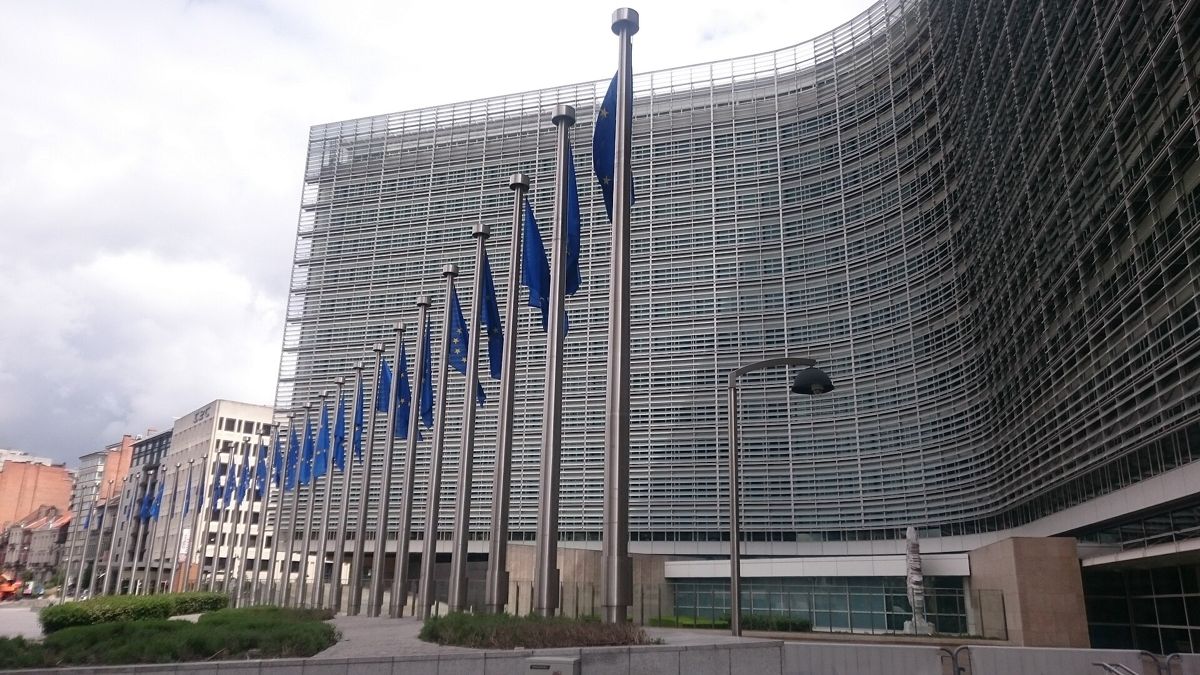
The European Commission, the EU's executive arm, has opened a formal antitrust investigation into Coca-Cola Europacific Partners (CCEP), one of the two largest bottlers of Coca-Cola products in Europe. The Commission suspects the company has been preventing retailers from buying its drinks across national borders. The probe was announced on Monday from Brussels.
The Commission's concern is that CCEP offered supermarkets and other retailers discounts on condition that they did not resell the drinks in other EU countries. Regulators will also examine whether the company changed bottle and can sizes from one country to another in ways that make cross-border trade harder, and whether it paid retailers to limit imports of soft drinks into Spain. A further line of inquiry concerns allegations that CCEP refused to let retailers negotiate a single supply agreement covering several countries, forcing them to strike separate deals market by market.
CCEP is headquartered in the UK but is a separate, publicly listed company. It bottles and sells Coca-Cola drinks under licence from The Coca-Cola Company, which holds a 17% stake in it, and it also sells other brands. The company operates in Belgium, France, Germany, Luxembourg, the Netherlands, Portugal, Spain and Sweden. The Commission says it is concerned that CCEP may have abused a dominant position in the wholesale supply of carbonated and sports drinks to supermarkets and other retailers. Restaurants, hotels and cafés are not part of the case.
Teresa Ribera, the Commission's executive vice-president in charge of competition policy, framed the case in terms of prices for consumers. "People across Europe enjoy soft drinks every day. But they should not have to pay more simply because they live in one EU country rather than another," she said in a statement.
If the allegations are proven, the conduct could breach Article 102 of the Treaty on the Functioning of the EU, which prohibits companies from abusing a dominant market position. The Commission has set no deadline for completing the investigation. Under EU competition rules, a company found to have breached them can be fined up to 10% of its global annual turnover.
The case is linked to the Commission's plans for new rules on what it calls territorial supply constraints, the practice by which manufacturers stop retailers buying goods in one EU country to resell them in another. A public consultation on those measures is open until 4 December 2026. The Commission has already used antitrust powers against such practices: it fined the snack maker Mondelez €337.5m in 2024 for restricting cross-border sales, and it raided the confectionery group Ferrero in April.
The Commission first raided CCEP's offices in several countries in March 2025. Asked about the new investigation, the company said in a statement that it takes competition law "very seriously" and will "continue to engage fully" with the Commission's inquiries. It declined to comment further on the case.