
Energy bills in Great Britain to rise 26% in January
Ofgem's price cap rises for a third quarter in a row, taking the average annual bill above £2,000. The government has announced a £100 one-off payment to help with winter costs.
3 min read
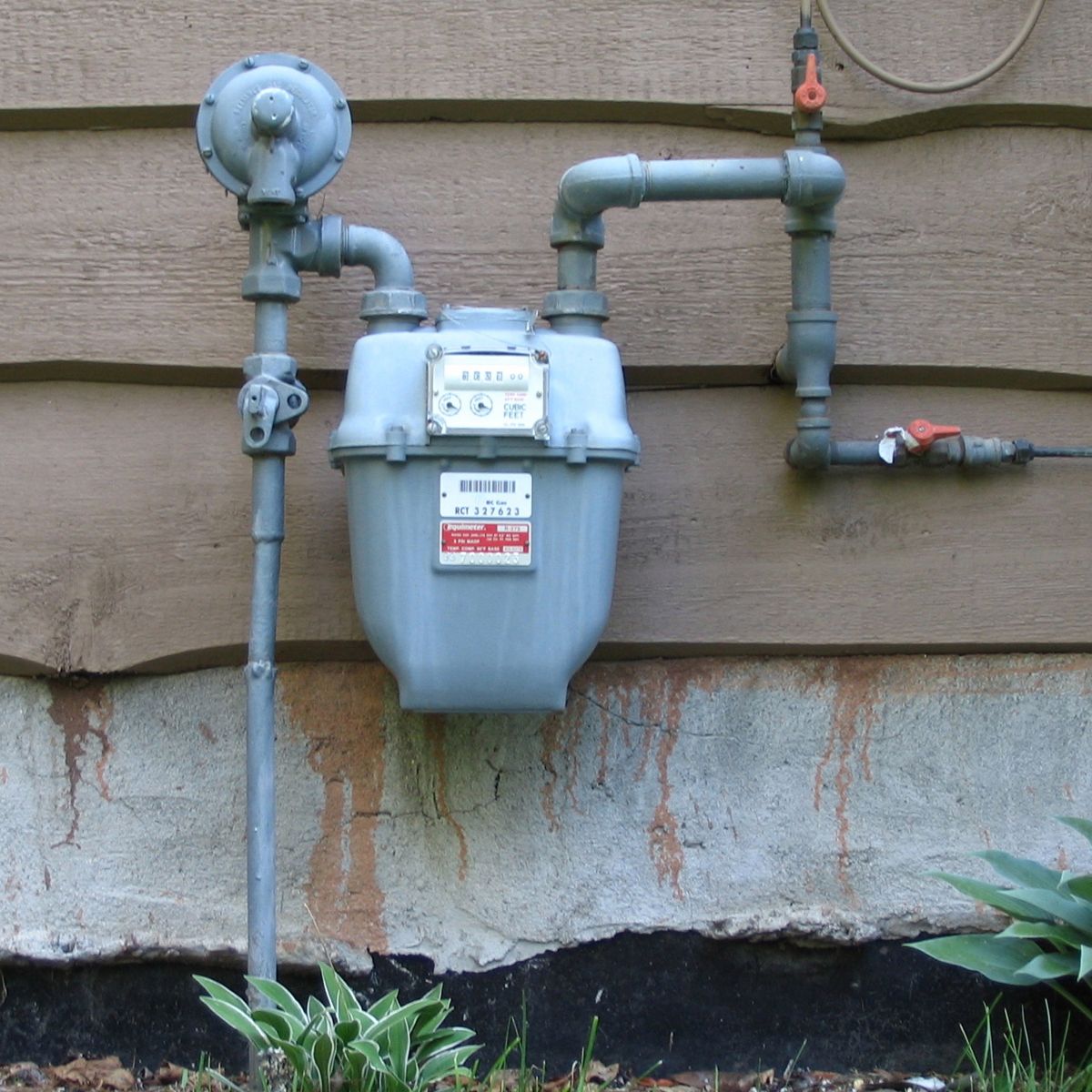
Gas and electricity bills in Great Britain will rise by 26 per cent from January, pushing the typical annual cost of household energy above £2,000 for the first time since Russia's invasion of Ukraine. Ofgem, the energy regulator for Great Britain, said about 22 million households covered by its price cap would pay an average of £2,166 a year from the new year, up from £1,723 under the current cap.
The price cap limits how much suppliers can charge for each unit of gas or electricity. It is not a ceiling on total bills, which also depend on how much energy a household uses. Ofgem said typical bills would rise by about £37 a month over the first three months of the year. The increase is driven by higher wholesale costs faced by suppliers, which Ofgem linked mainly to the conflict in the Middle East, which began with US-Israeli strikes on Iran nine months ago.
Neil Kenward, Ofgem's director general for markets, said: "Conflict in the Middle East continues to drive energy costs higher." He added that the regulator had written to suppliers reminding them of their responsibilities this winter, including identifying customers who need help early and making sure repayment plans are affordable.
The latest rise follows increases of 13 per cent in July and 4 per cent in October. The average household now pays almost £600 a year more on its dual-fuel bill than before the Middle East crisis began. About a third of households on fixed tariffs will not be affected by the new cap. Europe's benchmark gas price has tripled during the supply squeeze, and gas stores entered the cooler months at some of the lowest levels ever recorded.
The government has announced a one-off payment of £100 in January for households in council tax bands A to D in England, with equivalent payments in Scotland and Wales. The warm home discount will also take £150 off winter bills for about six million means-tested households. Separately, ministers have moved electricity levies into general taxation over the past year, which has cut about £150 a year from costs, and the Treasury has promised to keep the 5 per cent VAT rate off electricity bills until July next year.
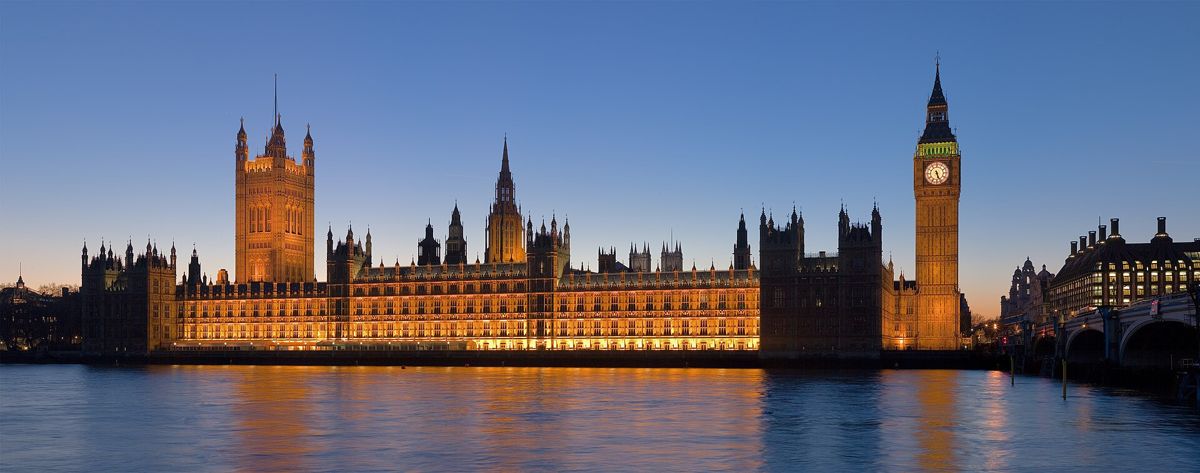
The Energy Secretary, Miatta Fahnbulleh, said: "I know people are deeply concerned by another rise in energy bills." She said the government wanted more cheap, clean, homegrown power to reduce reliance on expensive fossil fuels, and a fairer energy system.
The outlook is uncertain. The energy consultancy Cornwall Insight forecasts a small fall of 1 per cent in April, when the cap is next reset, but warns its predictions could change several times as market volatility continues. If the Middle East conflict persists, it says bills could stay at about £2,000 a year for a typical household until the end of 2027. Goldman Sachs has warned that prices could climb further if disruption to Gulf gas exports empties storage before the end of the heating season.
Citizens Advice expects debt to rise and a wave of people to need emergency support. Energy UK, which represents suppliers, said the £100 payment was poorly targeted and insufficient to stop rising customer debt. Danny Gross of Friends of the Earth called on ministers to introduce a social tariff for low-income households and to move the levies on electricity bills into general taxation.
The pressure is felt at household level. A single mother from Bristol said she expects to pay £1,800 for energy this year, £400 more than last year. She has turned her central heating down from 22C to 19.5C and pays by direct debit. Households on prepayment meters are likely to feel the rise sooner, as they pay as they use energy rather than spreading the cost across the year.