
Car bomb injures more than 20 people in central Colombian city of Villavicencio
The blast struck outside the regional government offices on the eve of the 10th anniversary of the 2016 peace deal with the Farc. No group has claimed it.
By Juan de la Torre, Villavicencio
3 min read
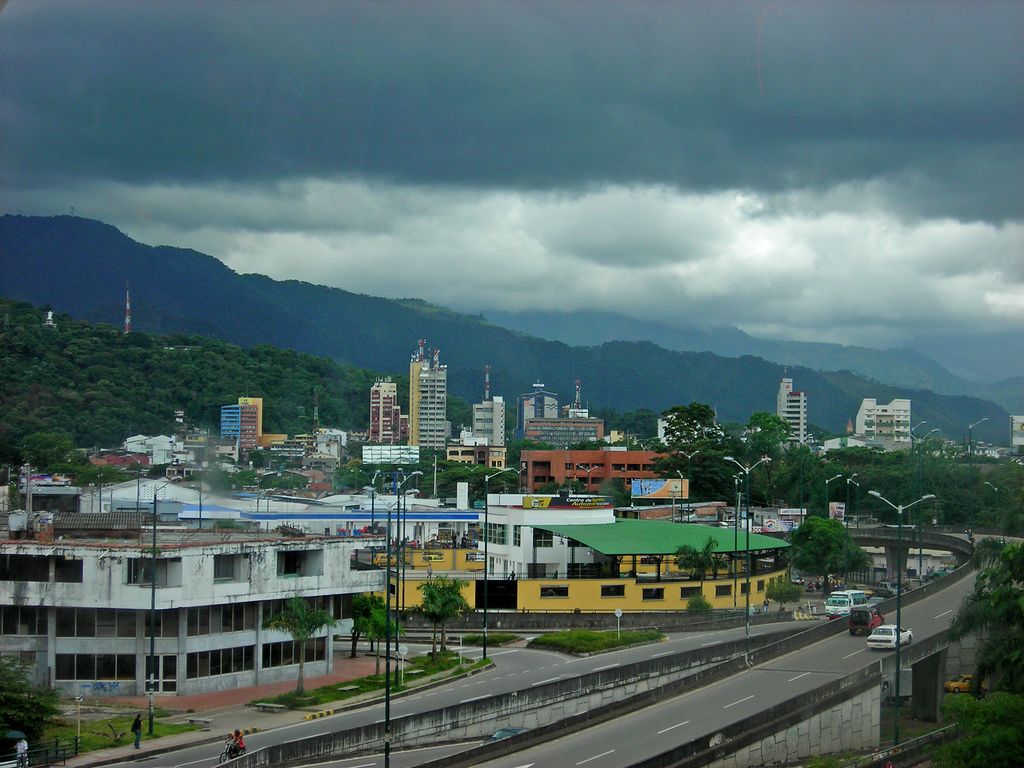
At least 23 people were injured on Monday evening when a car bomb exploded in Villavicencio, a city in central Colombia. Reports differ on the total: one count gives at least 23, while authorities put the figure at at least 24. The device went off in front of the offices of the regional government, damaging that building and several neighbouring ones. Video circulating on social media shows piles of rubble, wrecked vehicles and a large crater in the road.
No group has claimed the attack. It is the latest in a series of bombings using explosives against official buildings and security force headquarters. Three weeks earlier, a car bomb near army barracks in Tolima province killed three adults and a baby. Earlier on Monday, drones dropped explosives on police headquarters in the northern city of Cúcuta.
The bombing came on the eve of the tenth anniversary of the 2016 peace agreement between the government and the Revolutionary Armed Forces of Colombia (Farc), the country’s largest guerrilla group. Many fighters laid down their arms after the deal, but a significant number refused and joined dissident groups. Since then, violence has risen again, driven by dissident Farc factions and criminal groups competing for drug trafficking, illegal mining and extortion. Armed groups have recently stepped up attacks, apparently in retaliation for an offensive ordered against them by the current president.
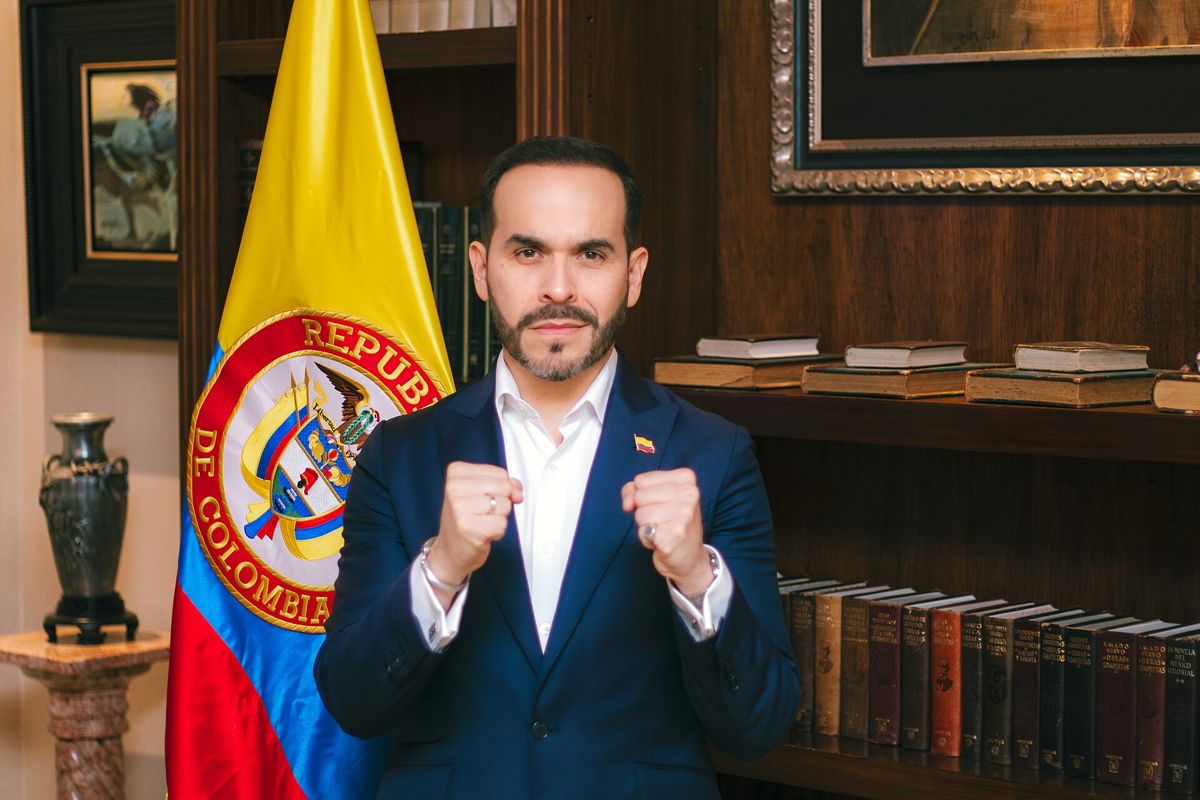
Abelardo de la Espriella was elected on a promise to crack down on “narcoterrorism”. After the bombing he blamed narcoterrorism without giving details, writing that “narcoterrorism is desperate because we are confronting it resolutely”. He also said he would “not back down or negotiate with criminals”. He has called the 2016 agreement a “false peace”. His predecessor, Colombia’s first left-wing president, who governed from August 2022 to August 2026, pursued a “total peace” strategy with armed groups, but those talks collapsed after several groups broke ceasefires.
Former President Juan Manuel Santos, who signed the 2016 deal for the government, said in an interview ahead of the anniversary that De la Espriella was wrong to call it a false peace. He argued that the violence is the result of the deal not being fully implemented, not of the agreement itself.
Local authorities have responded. The mayor of Villavicencio, Alexander Baquero, imposed a temporary ban on motorcycle traffic on several key roads. The army’s Seventh Brigade has been deployed to the area. The mayor’s office and the regional government are offering up to 150 million Colombian pesos (about €38,000) for information leading to those responsible. De la Espriella arrived in Villavicencio at around 9 am local time on Tuesday to chair a security meeting and visit the scene.