
EU leaders remain far apart on long-term budget as Ukraine aid looms over Brussels summit
Italy's Giorgia Meloni says the bloc is 'light-years away' from a deal, as Germany and several eastern members clash over a €45bn loan for Kyiv.
By Juan de la Torre, Brussels
3 min read
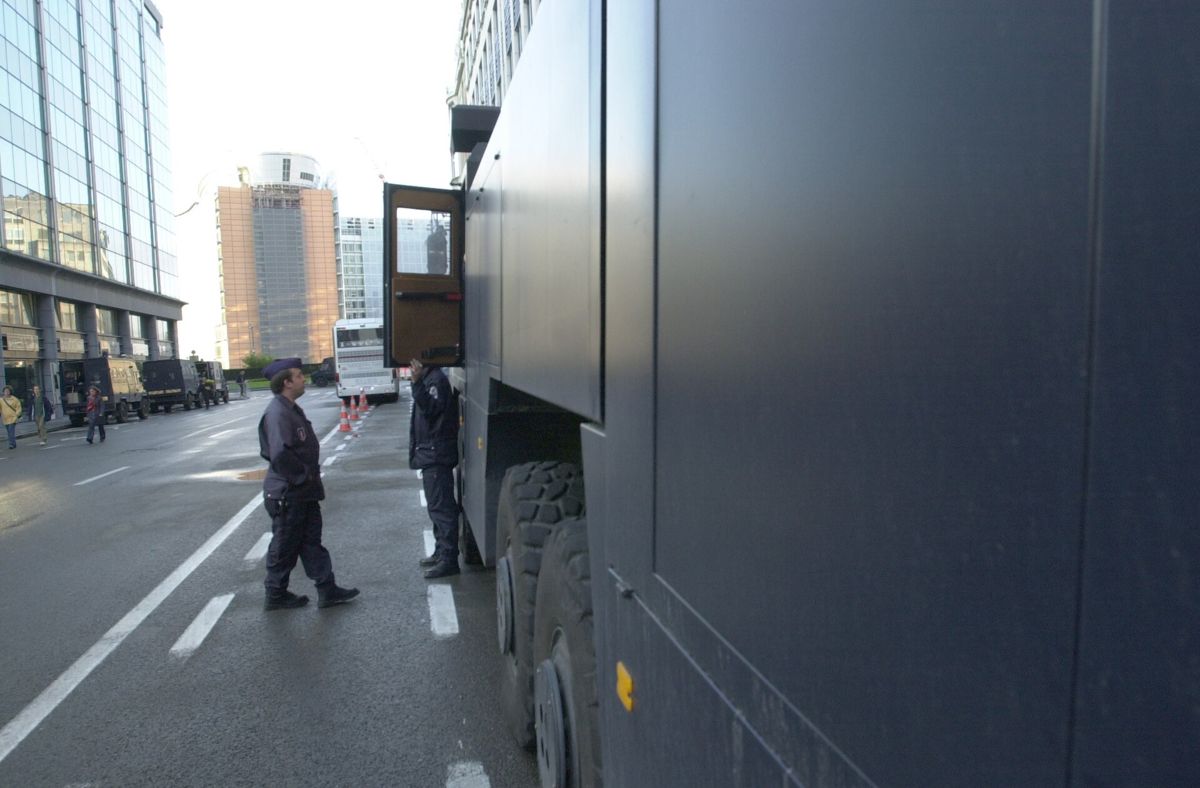
EU leaders remain far apart on the bloc's next long-term budget as they gather in Brussels for an extraordinary summit, with financial support for Ukraine expected to be one of the most divisive issues. Italian prime minister Giorgia Meloni said the bloc was "light-years away from a solution" before the meeting.
The talks concern the EU's spending plan for 2028 to 2034, which sets the bloc's priorities for seven years. Accounts of its size differ. Some reports describe a proposal of nearly €1.6tn, while the proposal presented by European Council president António Costa last Saturday is put at €1.78tn. That figure is 10% below the €2tn plan originally drawn up by the European Commission, the EU executive. The budget requires unanimous approval, and Costa has asked leaders to reach a deal by the end of the year, before a run of national elections in 2027 makes agreement harder.
The Ukraine question has become entangled with the budget. The Commission has proposed a €45bn loan for Kyiv in 2027: €25bn for military spending and €20bn for civilian needs such as schools and hospitals. Germany's chancellor, Friedrich Merz, argues that all 27 member states should share the cost. "When the European Union provides funding, it does so as the European Union," he said on arrival. Merz has reportedly threatened to veto the budget unless every country signs up, a step that would hit net recipients of EU funds.
Slovakia, Hungary and Czechia, which all receive more from the EU than they pay in, want to opt out of the loan. Slovakia's prime minister, Robert Fico, who has kept close ties to the Kremlin, accused Merz of blackmail. Czechia's prime minister, Andrej Babiš, said his priority was EU cohesion funds, which aim to help poorer regions catch up, and called for a highway to Austria and more hospitals. Bulgaria's prime minister, Rumen Radev, said his country would contribute to the non-military part of the loan but not to weapons.
Merz's position has wider backing, particularly in western, Nordic and Baltic states. Sweden's prime minister, Ulf Kristersson, argued that countries should not accept EU support for Ukraine while refusing to pay for it.
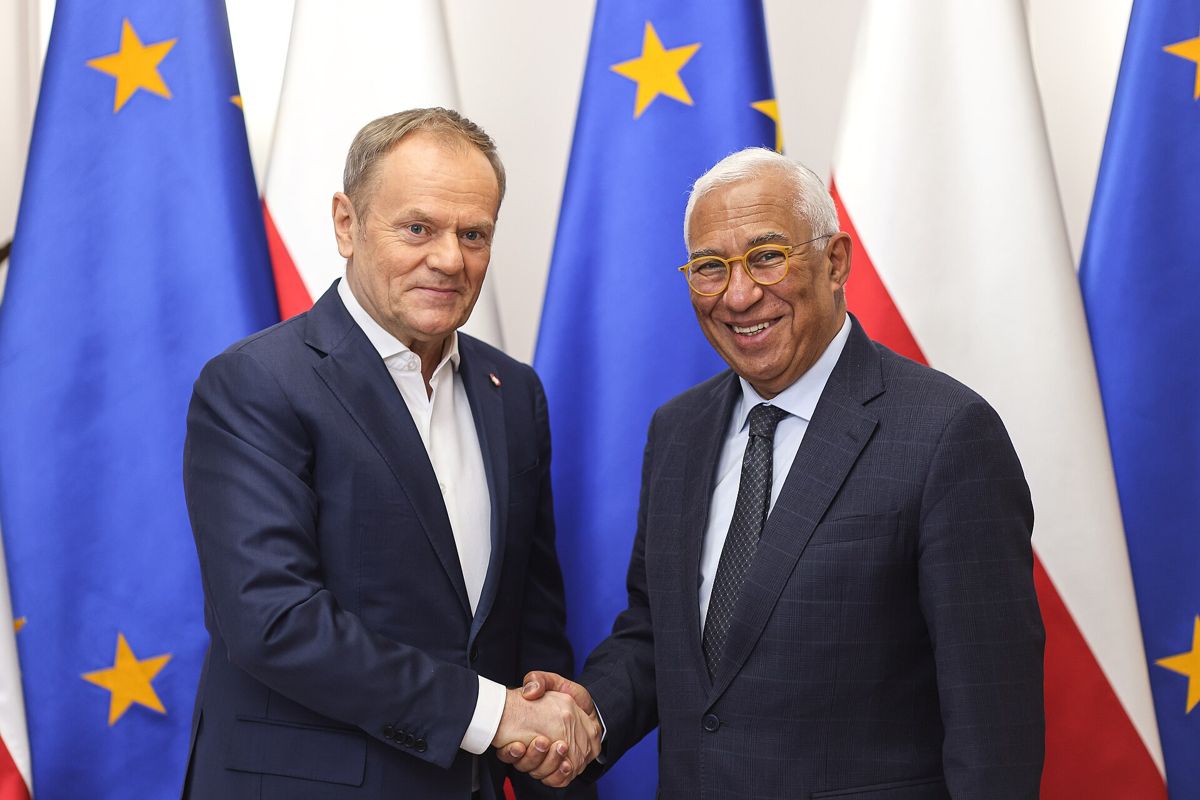
The budget divide also runs deeper. The so-called frugal countries, net contributors including Germany, the Netherlands and Sweden, want a smaller budget and more spending on defence and competitiveness, and less on farm subsidies and regional funds. A group of 17 countries in southern, central and eastern Europe wants EU funds kept for traditional policies and opposes cuts. France sits in neither camp but has pledged to protect the Common Agricultural Policy (CAP), which benefits its farmers. Marine Le Pen, the frontrunner in next year's French presidential election, wants to cut France's budget contribution and stop funding Ukraine.
Meanwhile, Ukrainian president Volodymyr Zelenskyy warned on X that Russia was preparing a "new massive strike" on energy and other essential infrastructure, and said US deliveries of air defence equipment were still delayed. Whether leaders can bridge their differences on Ukraine and the budget before the year ends remains open.