
Ebola cases in DR Congo pass 12,000 as fighting hampers response
Government data show 12,021 confirmed infections and 5,904 deaths, making it the fastest-growing Ebola outbreak on record, as clashes in Ituri province disrupt the response.
3 min read
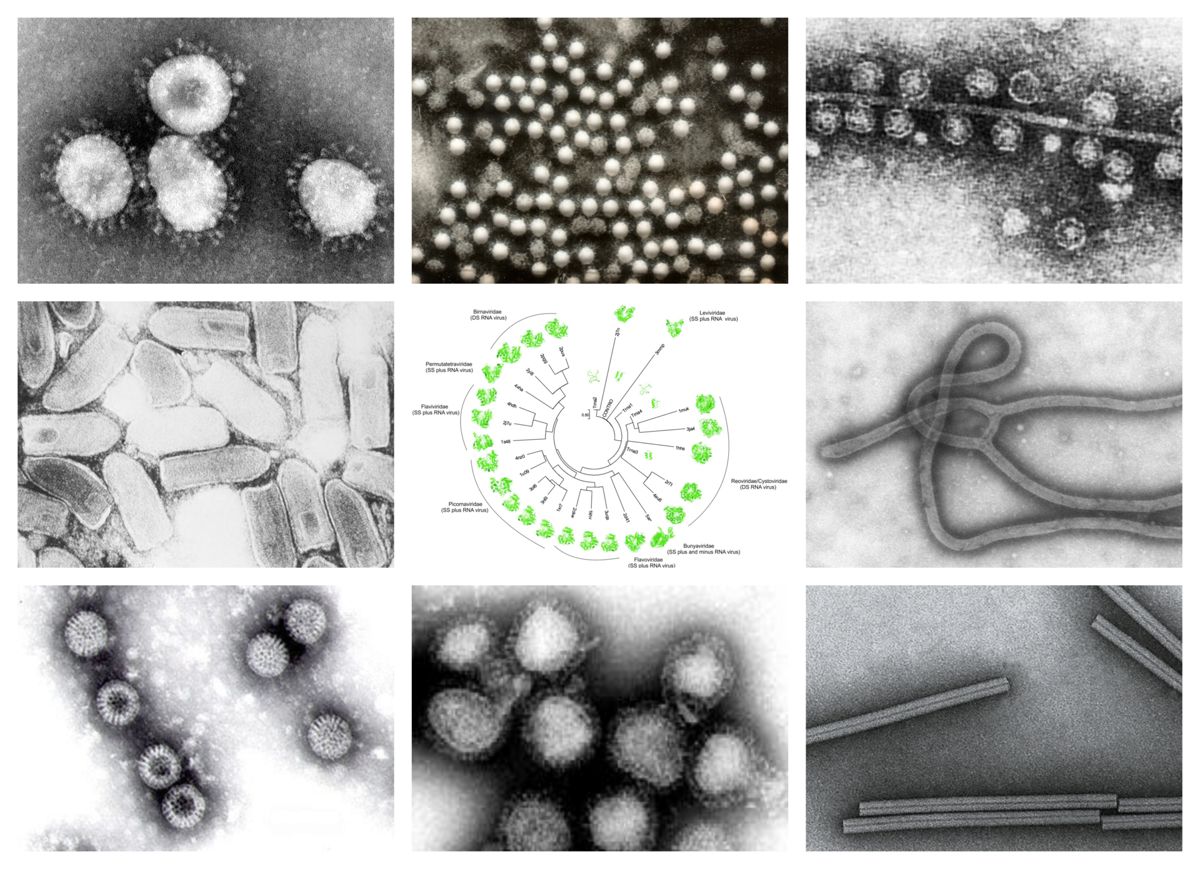
The number of confirmed Ebola cases in the Democratic Republic of the Congo (DRC) has passed 12,000, according to government data released on Thursday, as fighting in the east hampers efforts to contain what is now the fastest-growing Ebola outbreak on record. The data show 12,021 confirmed infections, including 5,904 deaths. Roughly half of those infected have died.
The outbreak is caused by the Bundibugyo species of the Ebola virus, which is rare. There are no approved vaccines or treatments for this species. It was declared in mid-May in Ituri province, in the north-east of the country, and has since been detected in eight of the DRC's 26 provinces. Delayed detection, armed conflict and strained health services have all helped it spread.
The outbreak is also the deadliest of the DRC's 17 recorded Ebola outbreaks. At its current pace, it is on track to exceed the death toll of the West African outbreak of 2014 to 2016, which killed about 11,000 people.
Ebola spreads through direct contact with the blood or other bodily fluids of people who are sick or have died from the disease. Controlling it depends on identifying and isolating patients quickly, monitoring people who may have been exposed and burying the dead safely. Response teams are also contending with poor roads, and with violence from some residents fuelled by mistrust and misinformation.
The fighting is between the Congolese army and the Convention for the Popular Revolution (CRP), one of more than 100 armed groups in the eastern DRC. The CRP is led by Thomas Lubanga, a former warlord whom the International Criminal Court convicted in 2012 of conscripting children under 15 and using them in combat. The group declared a unilateral ceasefire in May, but fighting has continued.
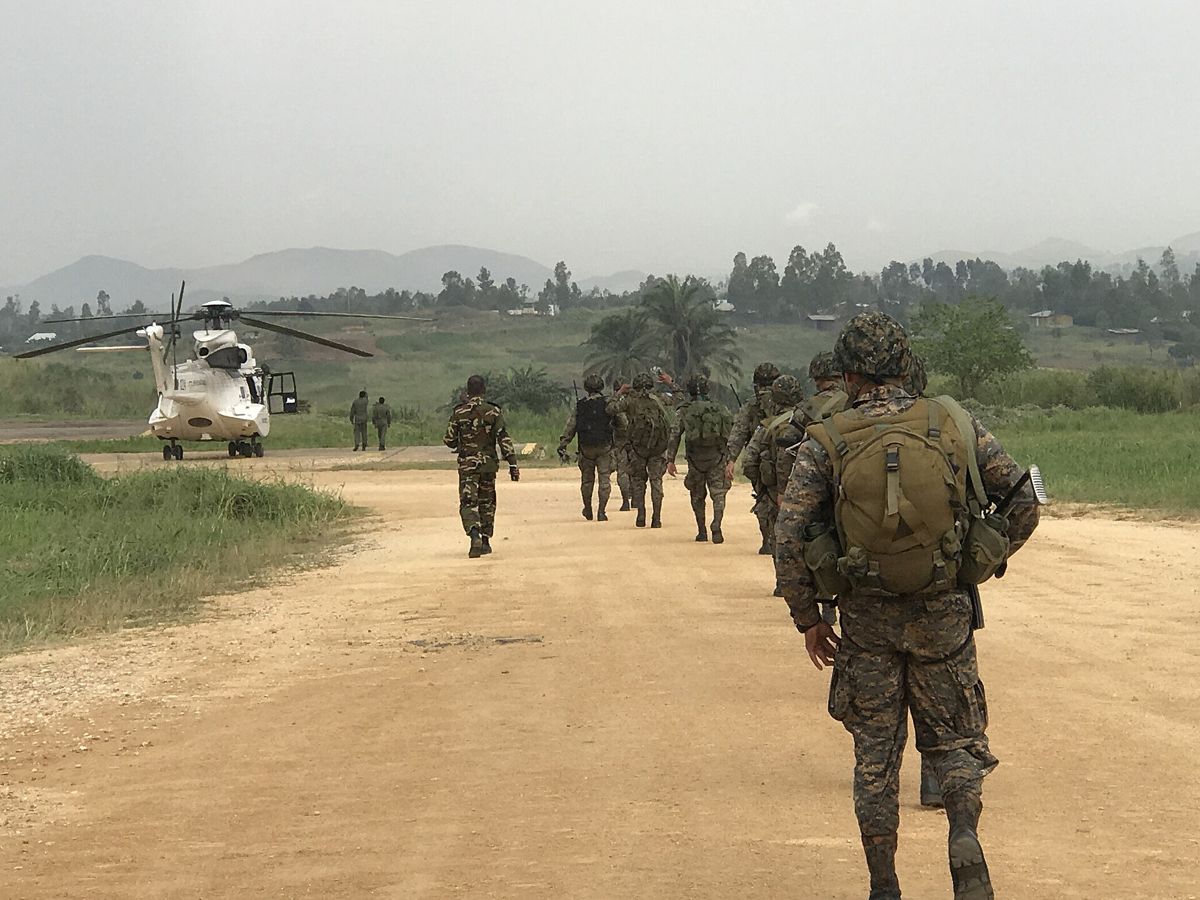
Clashes in Ituri have intensified in recent days, displacing civilians, according to a statement from the United Nations mission in the DRC. On Thursday, fighting resumed in Iga-Barrière, a mining town about 25 kilometres north of Bunia, the provincial capital, sending new waves of displaced people towards the city. Bunia is also a major hub for the Ebola response.
Earlier in the week, the fighting had already prevented teams from reaching some communities, disrupted the monitoring of people exposed to the virus and left some treatment centres with fewer staff, according to Catherine Smallwood, the World Health Organization's Ebola incident manager. She said about a dozen people, including two WHO staff members and Congolese health officials, were evacuated to Bunia on Tuesday after three days trapped in a hospital in Akwe, north-east of the provincial capital. "They were caught really in the crossfire, very intense fighting, and we managed to evacuate them," Smallwood said.
A humanitarian worker involved in the response, Sandrine Buju, said her team came under gunfire on Monday while returning to Bunia after training community volunteers. The team turned back and sought shelter at a United Nations peacekeeping base, and peacekeepers later escorted them through two areas of fighting towards the city.