
MPs say government has failed to make the case for Heathrow third runway
The Commons Transport Committee says the expansion is not compatible with binding climate targets and wants the plans grounded until ministers address the gaps.
By Alberto Rodrigo, London
3 min read
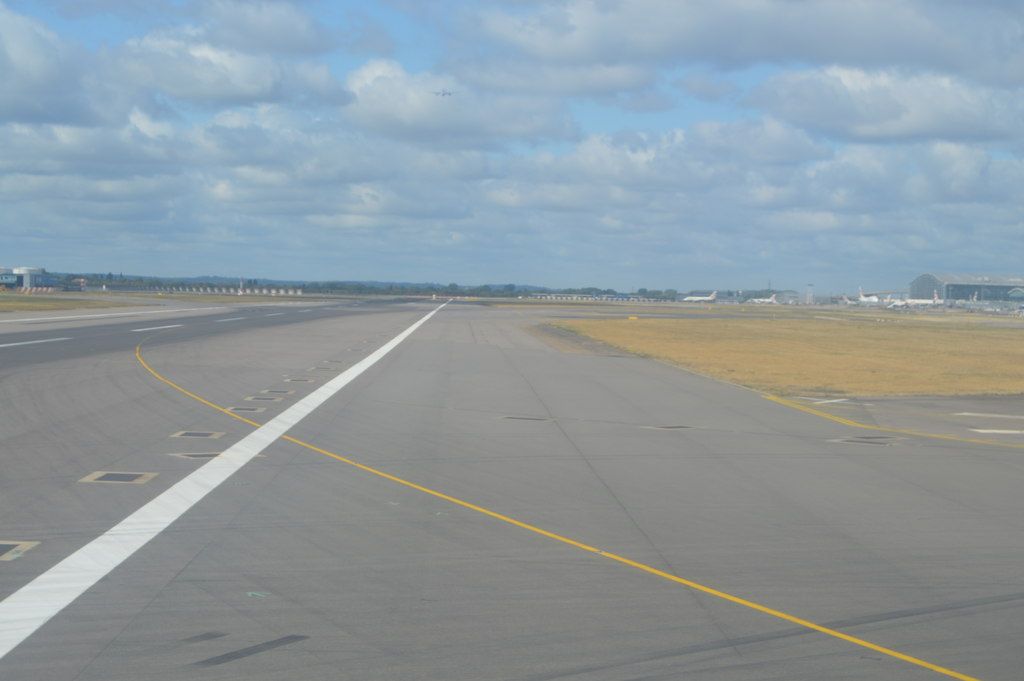
A committee of MPs has said the government has “failed to make the case” for a third runway at London Heathrow, and that the expansion is “not currently compatible” with the UK’s legally binding climate targets. In a report published on Thursday, the House of Commons Transport Committee called for plans for the runway to be “grounded” until ministers have dealt with these problems.
The House of Commons is the lower house of the UK Parliament, and its committees scrutinise government policy. This committee was examining the government’s draft Heathrow Expansion National Policy Statement, the document that sets out the policy framework for the project. The MPs said the case had not been made across the four tests ministers had set: that expansion should generate growth across the country, without harmful effects on climate, noise or air quality.
On the economy, the committee said modelling commissioned by the Department for Transport projected a GDP boost of 0.05%, against earlier estimates of around 0.5%. In its view, that was too small to justify designating the runway a critical national project. Former chancellor Rachel Reeves backed the third runway in January last year, citing its potential benefit to the economy.
The climate findings were the most serious. The government’s independent advisers, the Climate Change Committee, warned in September that expansion would make future climate goals harder to reach. The MPs said technologies such as greener fuels and carbon capture were “nowhere near” the trajectories needed to make the expansion compatible with those goals, and that it seemed impossible to offset the extra emissions elsewhere in the economy. Earlier reporting of the department’s own data suggested a third runway could add the equivalent of 2.4 million tonnes of carbon dioxide a year by 2050.
The committee also rejected the idea that reversing hard-won gains in local air quality was acceptable. It said the draft statement did not take account of World Health Organization guidelines or emerging pollutants. It added that the government still had to show how noise commitments would be secured and delivered, and it said there were no clear, funded plans to improve public transport to the airport.
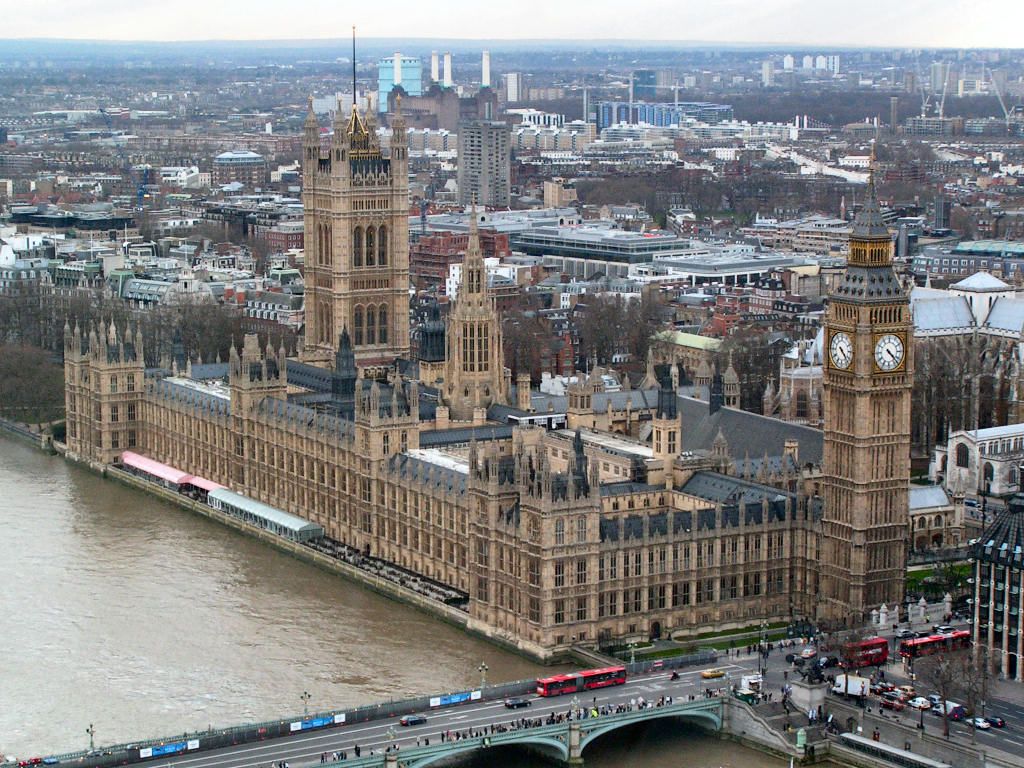
The project’s backers say it would cost about £33bn, almost double passenger numbers and add up to 276,000 flights a year. Heathrow hopes to secure planning permission by 2029 and then build the runway over the following decade.
Ruth Cadbury, the Labour MP who chairs the committee, said the report “should be a wake-up call for ministers”. She argued that the government should have set out its overall aviation strategy before publishing the draft statement. Heathrow’s chief executive, Thomas Woldbye, responded that “the overwhelming weight of evidence and support remains strongly behind Heathrow expansion”, citing unions, business groups and airlines. Heathrow also released polling on Wednesday suggesting that three-quarters of Labour MPs back the plan.
The government’s position is less settled than the committee’s report suggests. The chancellor, John Healey, and the transport secretary, Heidi Alexander, have said the third runway remains government policy. The Conservatives and Reform UK have recently spoken strongly in favour. Andy Burnham has historically opposed the runway, and although he has said it is “a matter for Londoners”, continued government support now appears in doubt. Environmental campaigners said the report showed the expansion should not go ahead. Friends of the Earth said continued support for the plan would fly in the face of the evidence, while Greenpeace argued it would drain jobs from the rest of the country and bring more traffic and pollution to south-west London.