
UK watchdog calls for overhaul of private dentistry market
The Competition and Markets Authority says patients face wide price gaps and pressure to buy costly treatments, and it will publish a final report in March.
3 min read
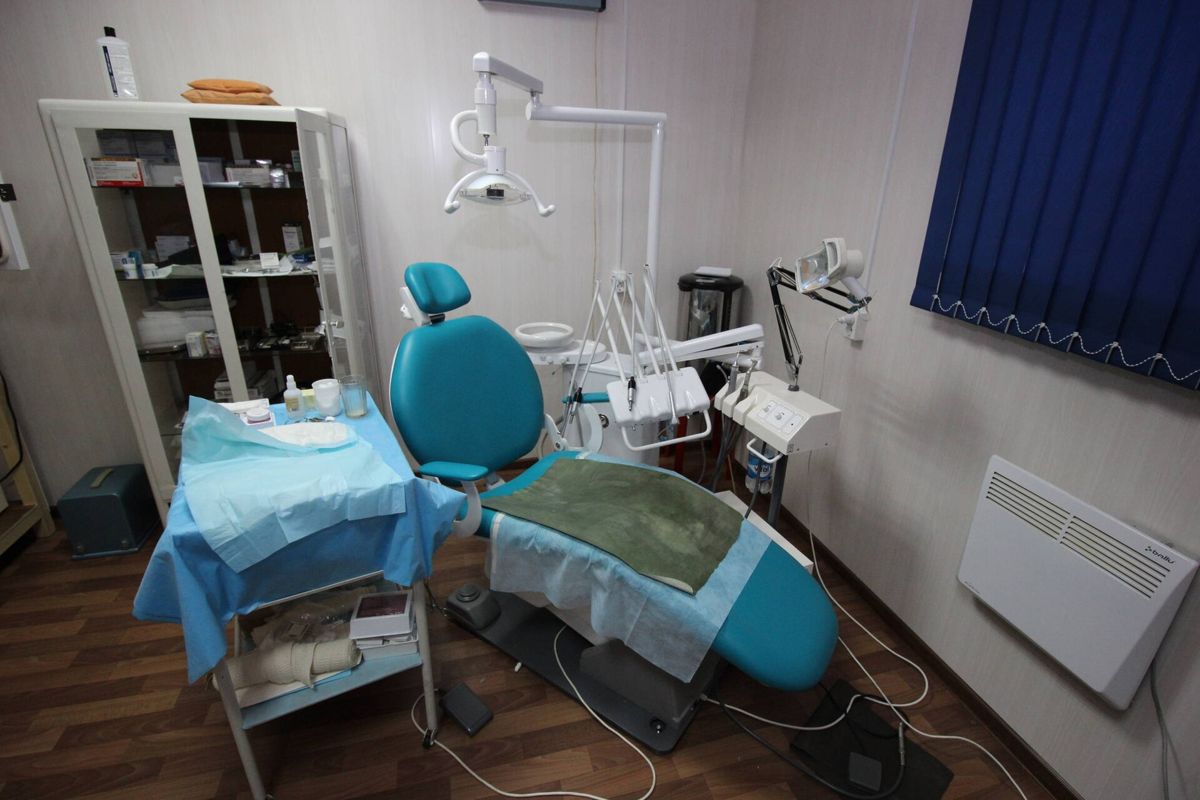
The UK’s competition watchdog, the Competition and Markets Authority (CMA), has called for a substantial shake-up of the private dentistry market, which is worth about £8bn. Its interim report identified what it described as a “catalogue of concerns”, including prices that have risen faster than inflation and evidence that some practices set targets to sell more expensive treatments and dental payment plans.
The CMA estimated that prices at large dental groups rose by an average of 7% a year between 2023 and 2025, well ahead of inflation and wage growth. It said the cost of care is leading some people to delay or go without treatment. As an example, it pointed to a composite white filling that equates to about 36% of mean weekly disposable income in north-east England and 35% in Wales.
Prices also vary widely within the same area. In Preston, online prices for a composite filling ranged from £80 to £223, while in Caerphilly an amalgam filling cost between £72 and £159. The CMA said some variation is to be expected but argued that people are paying more than they should because they cannot easily compare providers.
The regulator estimated that about 60% of UK patients now pay for at least some private dental care, including many on low incomes. It found that one in six private practices does not publish price lists online, and that profit margins differ substantially between practices. Dentists typically have a financial stake in treatment revenue, either as practice owners or through revenue-sharing arrangements. The CMA warned that these incentives create a risk that patients are sold treatments that are not in their best interests. It also noted that practices serving mainly NHS patients do not necessarily earn lower margins.
Workforce shortages add to the pressure. The CMA put the job vacancy rate for dentists in England at about 8%, compared with 2% across the UK economy, and said the UK has fewer dentists per head than most other European countries.
The CMA said the government should take a more direct “market-shaping role”, using its position as a major buyer and commissioner of dentistry to influence incentives for both private and NHS patients. The CMA’s chief executive, Sarah Cardell, said: “many people are struggling with affordability”, adding that those on lower incomes and in some parts of the UK are hardest hit. The CMA is working with governments across the UK on a wide-ranging package of measures, and its final report is due in March.
The British Dental Association (BDA), which represents dentists, said it agreed with the interim findings. It said the report gave Labour an opportunity to keep its pre-election promise to invest in NHS dentistry, and accused the government of using the study as cover for not yet committing new investment. The BDA said it would work with the CMA on practical measures, but argued that governments need to make fundamental reforms to NHS dental services.
The BDA’s own research with YouGov found that 39% of adults in England had found it hard to pay for dental care in the past two years. Of those, 43% had delayed treatment, 32% had decided against any care, 15% had taken on debt and 13% had cut spending on essentials such as food, accommodation and heating. The BDA’s chair, Eddie Crouch, said that “ministers hold almost all the cards” when it comes to affordable access, and urged the government to fix and fund NHS dentistry.