
US approves SpaceX plan for up to a million data satellites in orbit
Federal regulators have licensed Elon Musk's company to launch orbital data centres, though it is unclear whether all the satellites will ever be deployed.
By Jaime IA
3 min read
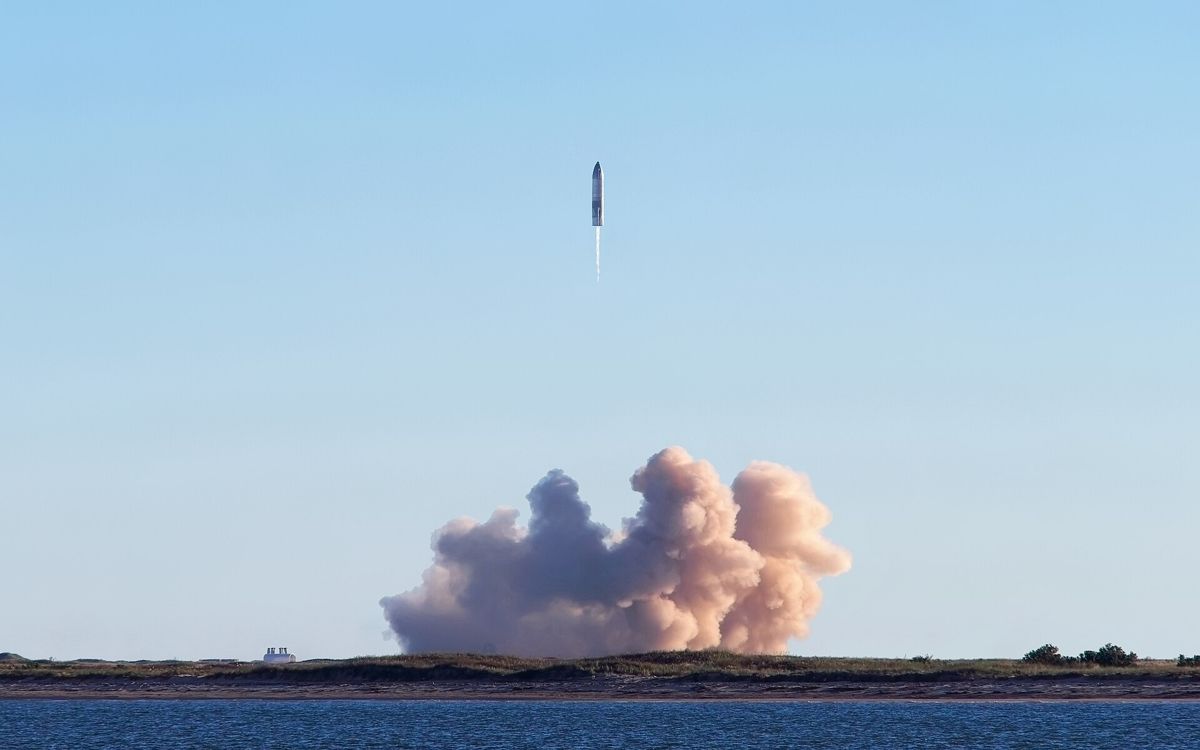
US federal regulators have approved a plan by SpaceX, the company owned by Elon Musk, to put up to one million satellites into orbit around Earth to work as data centres in space. The Federal Communications Commission (FCC), the body that licenses communications in the United States, said on Wednesday that it had granted the approval. It is the first authorisation of its kind in US history.
The project, called Starmind, would use sunlight to power satellites that process data for artificial intelligence (AI) and then send the results back to Earth. The FCC said the system would support the country's rapidly growing super intelligence economy. Supporters argue that computing in orbit could take pressure off land, electricity and water supplies on the ground. Data centres use large amounts of power, and water for cooling, and many communities across the US have pushed back against building new ones nearby.
SpaceX has said that orbital data centres would be the cheapest and most energy-efficient way to meet growing demand for AI computing. Critics say the technology is still being developed and that deployment is a long way off. A July report by the Government Accountability Office (GAO), a federal watchdog, said space-based data centres could reduce the land, electricity and water needed on Earth. It also warned of engineering and economic barriers, noted that space does not cool computing hardware efficiently, and cautioned that a large rise in satellites could be difficult to manage and could cause collisions.
The licence sets firm deadlines. SpaceX must begin deployment by November 2033, put 10 per cent of the maximum number, or 100,000 satellites, in place by November 2035, and reach 50 per cent by November 2038. It is unclear whether the company will actually launch one million satellites. Satellite operators often request approval for more than they intend to deploy, to keep design options open. SpaceX has said it wants to launch its first Starmind satellite next year, and its plan depends heavily on Starship, its reusable rocket, which is still under development, to bring down launch costs.
Starmind satellites would orbit at between 500 and 2,000 km above Earth, in the same low-Earth orbit band as Starlink, SpaceX's internet network, which has more than 10,000 satellites. Starmind satellites would communicate with Starlink and relay data to the ground. The FCC also approved additional communications links to back up SpaceX's optical network.

FCC chairman Brendan Carr said that America was leading the world into the era of super intelligence. Musk responded on X, thanking the regulator and saying the project would be a great asset to America and the world. Amazon's satellite unit, Leo, and other rivals have criticised the plan, arguing that SpaceX is unlikely to deploy all the satellites and that doing so could take centuries. Carr responded by telling Amazon to focus on its own launches and satellite constellation. Sam Altman, chief executive of OpenAI, has argued that Musk's claim that orbital data centres would be operating by 2027 was misleading.
Space experts have also warned that a growing number of satellites in low orbit raises the risk of collisions, which could damage hardware or send debris falling back to Earth. Starlink has already been accused of creating congestion in space, a charge Musk denies.