
World's top court to rule on whether Myanmar committed genocide against Rohingya
The International Court of Justice will deliver its judgment on Thursday in a case brought by The Gambia, a ruling that could also shape a separate genocide case against Israel, according to The Guardian.
By Juan de la Torre, The Hague
3 min read
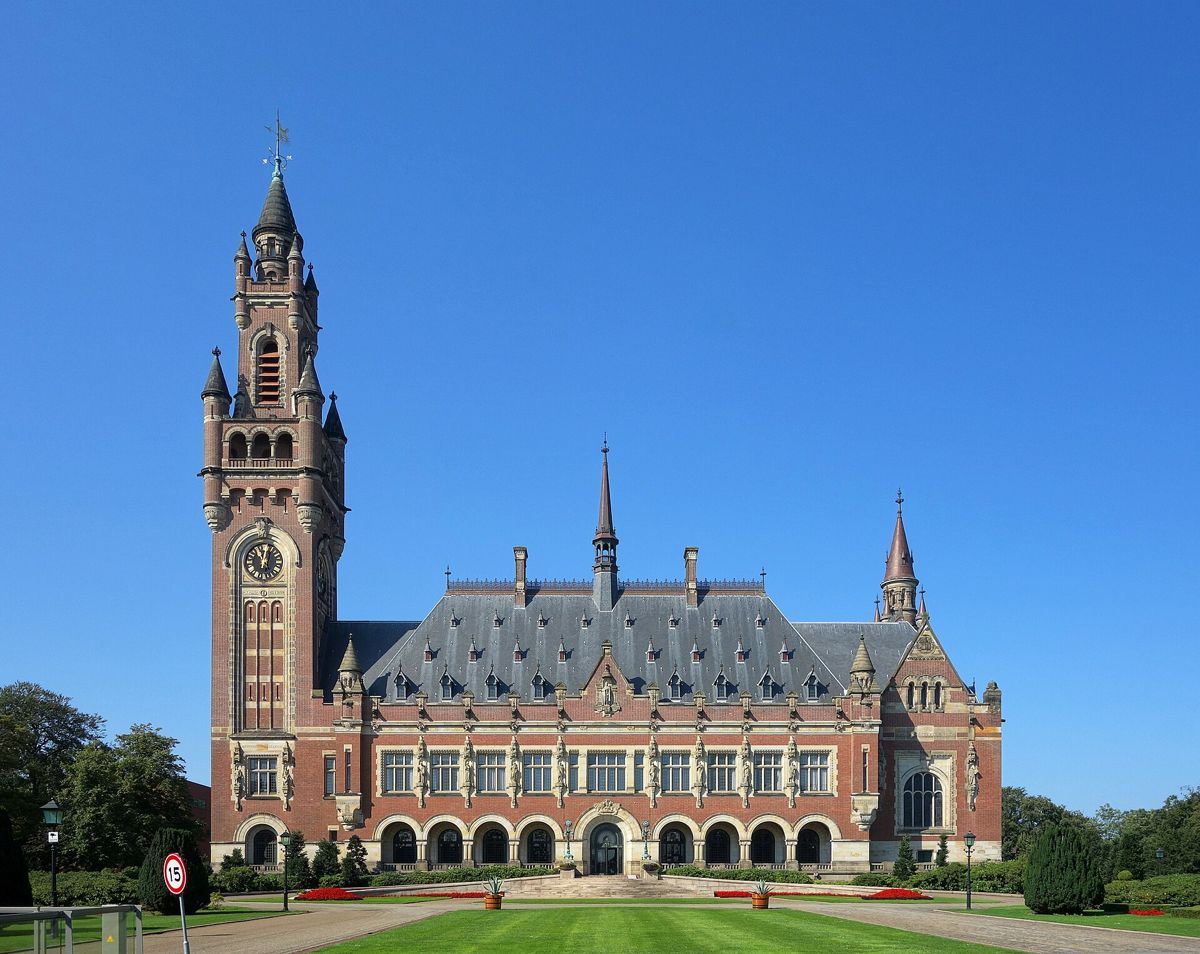
According to The Guardian, the International Court of Justice (ICJ), the world's top court for disputes between states, will deliver its judgment on Thursday morning in The Hague on whether Myanmar committed genocide against its Rohingya minority. The Guardian describes the case as a landmark ruling on the gravest of international crimes.
The case was brought by The Gambia, a Muslim-majority state, which argues that Myanmar's repression of the Rohingya breached the 1948 UN genocide convention. The Guardian reports that the judges have spent seven years weighing the accusations. Genocide is defined in the convention as acts committed with the intent to destroy, in whole or in part, a national, ethnical, racial or religious group. Proving that intent has been the central difficulty in earlier cases, the newspaper notes.
The Guardian points out that the ICJ has never found a state responsible for genocide, a crime defined after the Nazi-led Holocaust. Two other ICJ cases on atrocities in the Balkans fell short of finding states directly responsible, although Serbia was held legally responsible for failing to prevent the genocide at Srebrenica.
The Rohingya, a Muslim minority, have for decades been stripped of their citizenship and targeted by growing discrimination in Myanmar's western Rakhine state. The Guardian says the crisis reached its peak in 2017, after a Rohingya militant group carried out guerrilla-style attacks and the Myanmar army responded with what it called "clearance operations". Refugees who fled to Bangladesh described massacres, including one in the village of Tula Toli, which satellite footage later showed had been razed. The newspaper estimates that more than 1 million Rohingya now live in Bangladesh, in the world's largest refugee settlement, and fewer than 600,000 remain in Myanmar.
During hearings, Gambian justice minister Dawda Jallow told the court that the case was "about real people, real stories and a real group of human beings", according to The Guardian. Myanmar has denied carrying out a genocide and says its actions targeted a military uprising by insurgents.
The Guardian notes that Myanmar's leader, Min Aung Hlaing, headed the military during the 2016-2017 attacks and later overthrew the elected government of Aung San Suu Kyi in a 2021 coup. That takeover triggered a civil war which, the newspaper says, has left tens of thousands dead. He is separately under investigation by the International Criminal Court (ICC), which prosecutes individuals rather than states. He became civilian president in April after elections widely condemned as a sham.
The ruling may also be watched closely for its implications for the genocide case South Africa has brought against Israel over its campaign in Gaza. The Guardian notes that Israel has far stronger diplomatic backing from the United States, which technically already regards the Rohingya crisis as a genocide under a decision by the Biden administration. The newspaper quotes Trump's UN ambassador, Mike Waltz, who warned that the ICJ "must not be allowed" to set a standard for genocide that could be used against "allied soldiers".
The court has no means to enforce its rulings, although the Guardian reports they have been respected in the past. Supporters of the Gambian case say a judgment should compel states to halt arms transfers and jet fuel supplies. The newspaper adds that the UN Security Council could give the ruling weight, but divisions between the United States and China make this unlikely.