
UN top court rules Myanmar committed genocide against Rohingya
The International Court of Justice found that Myanmar's military intended to destroy a substantial part of the Rohingya population, in the first such ruling against a state by an international court.
By Juan de la Torre, The Hague
3 min read
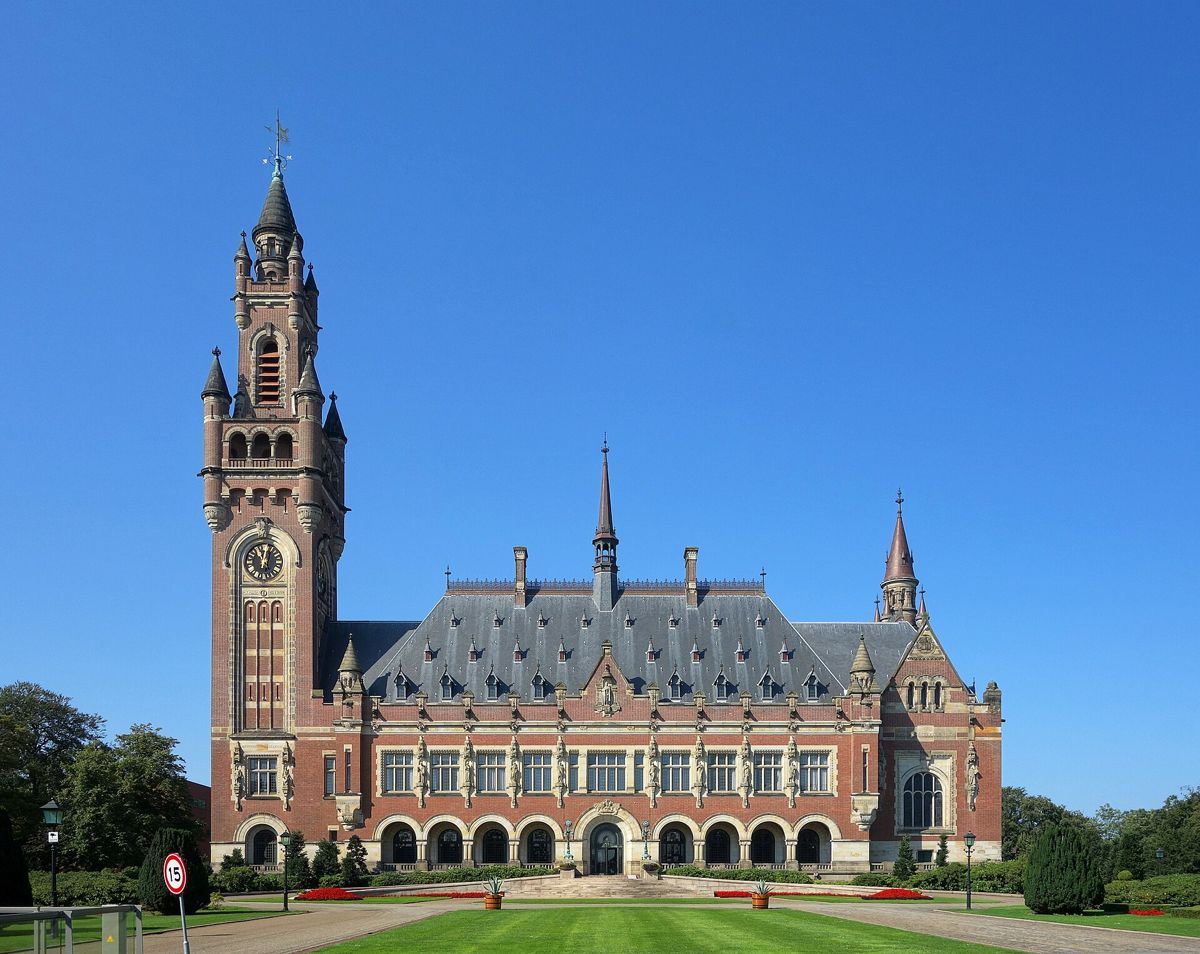
Myanmar committed genocide against its Rohingya Muslim minority, the International Court of Justice (ICJ), the United Nations' top judicial body, ruled on Thursday. The verdict was reached by nine votes to six among judges from around the world. According to reports, it is the first time an international court has found a state to have committed genocide. The case was brought by The Gambia.
The case centred on what the court called "clearance operations" launched in 2017 in Rakhine State, where many Rohingya lived. They followed attacks by fighters from the Arakan Rohingya Salvation Army (Arsa) on more than 30 police posts. Myanmar's troops, backed by local Buddhist mobs, responded with a wave of violence that triggered a mass exodus. Myanmar, a Buddhist-majority country formerly known as Burma, has consistently denied committing genocide. It says its operations targeted militant and insurgent threats.
The court determined that around 10,000 Rohingya were "violently killed" during the operations. Sources differ on how many fled. One account says more than 700,000 went to Bangladesh by foot or by sea, while another says nearly a million Rohingya fled to Bangladesh in 2017. The court is also reported to have found that about 815,000 people had been targeted in some way.
The court's president, Yuji Iwasawa, said Myanmar's military had the "intention to destroy" a substantial part of the Rohingya population. According to reports, the court found indiscriminate killings, the execution of men, widespread sexual violence, extreme violence against children and the deliberate burning of Rohingya homes. Soldiers also attacked people fleeing to Bangladesh. The court said Myanmar destroyed evidence by burning or disposing of bodies and bulldozing sites, and failed to prosecute those responsible.
The court also found that an anti-Rohingya hate speech campaign overlapped with the clearance operations, making violence more likely. It ruled that policies such as limiting married couples to two children were discriminatory. Myanmar must pay reparations, although the exact amount may be set at a later date. Antonia Mulvey of Legal Action Worldwide said the court rejected Myanmar's counter-terrorism defence and, for the first time, ruled that rape and sexual violence can constitute genocide.
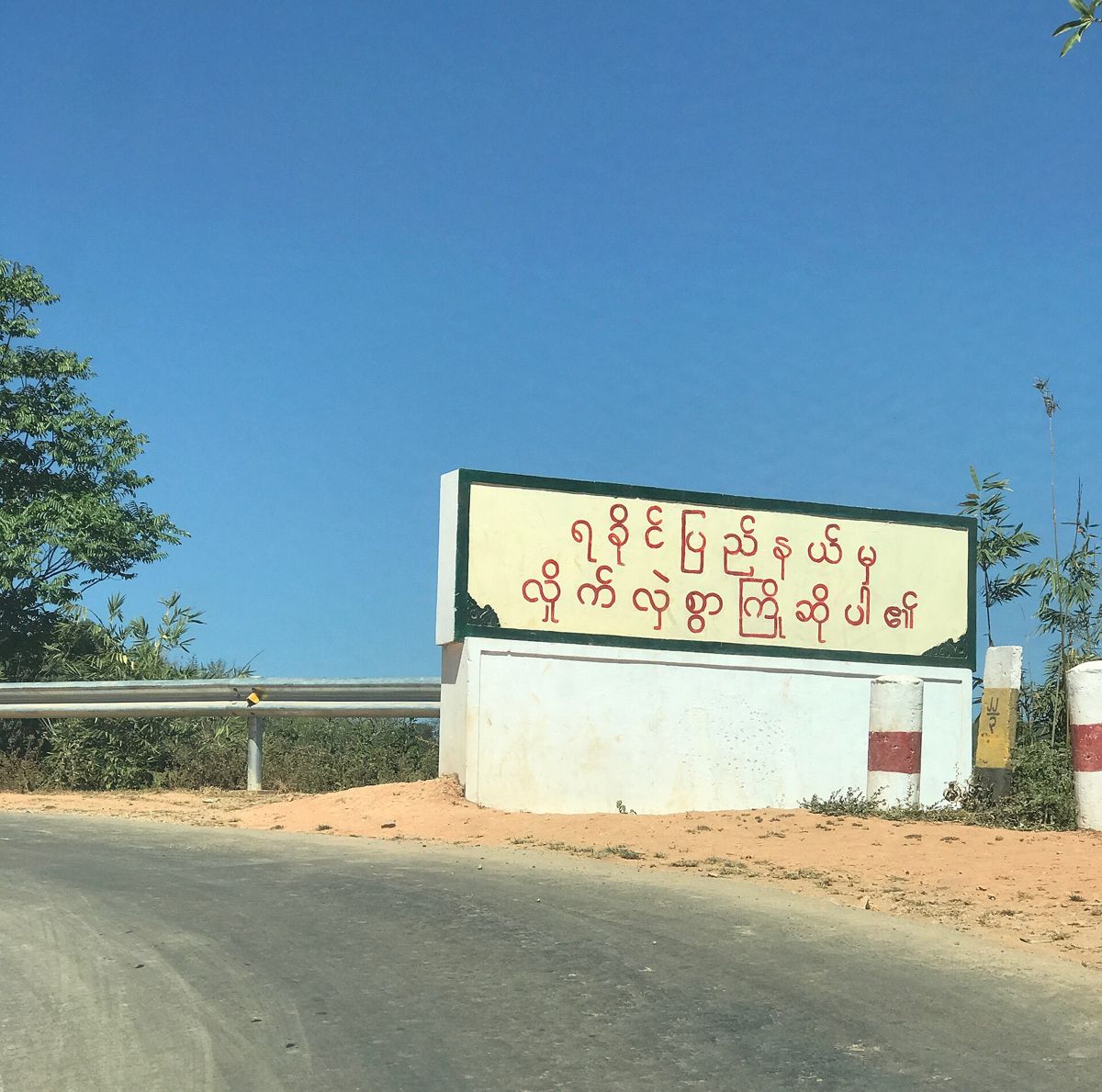
In January, Myanmar's government representative, Ko Ko Hlaing, told the court that the country had no duty to stand by while terrorists operated. After the verdict, he said he had no comment. Mohammed Nowkim, a Rohingya who was driven out of Rakhine in 2017 and now lives in Canada, welcomed the decision: "This is like formal recognition of our suffering." Human Rights Watch called it long-awaited recognition of what the Rohingya have endured. UN human rights chief Volker Türk described the suffering as a stain on the conscience of humanity and said the ruling must lead to real action.
The ICJ is not a criminal court and cannot send military officials to prison. It relies on the UN Security Council and political pressure to enforce its rulings. The judgment will also matter for other genocide cases before the court, including South Africa's case against Israel over the war in Gaza. Philippe Sands KC, a lawyer who helped bring the Gambia case, said that without a finding against Myanmar, the South Africa case would effectively have been over. Israel has said the case against it is completely without foundation. The US State Department said it was studying the decision and shared grave concerns about abuses against Rohingya Muslims, adding that the US is the leading donor for Rohingya refugee aid.