
South Korea's education minister resigns over AI-assisted exam cheating
Choi Kyo-jin steps down after a last-minute scramble to stop AI-assisted cheating in the university entrance exam, which 111 students were caught breaking with unauthorised devices.
3 min read
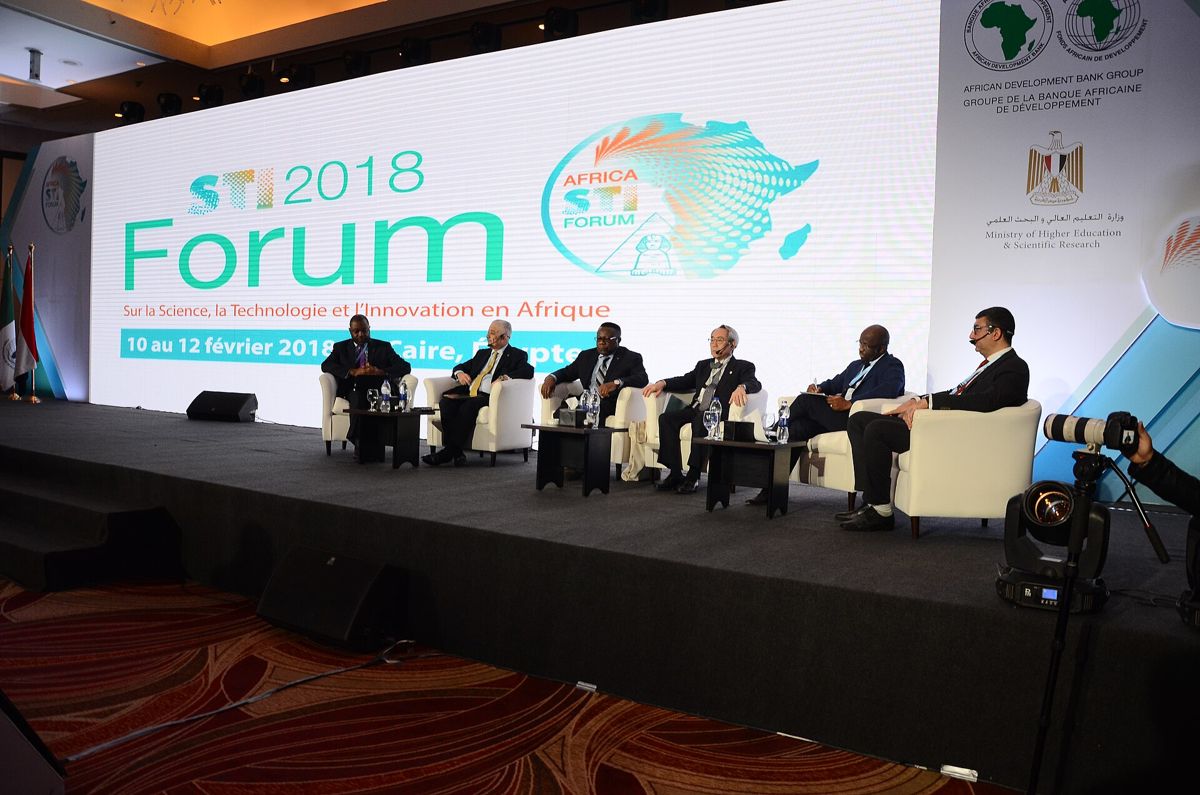
South Korea's education minister, Choi Kyo-jin, has resigned after a cheating scandal involving artificial intelligence tools in the country's college entrance exam. President Lee Jae Myung accepted the resignation, the presidential office said.
Choi, 72, announced his decision in a message on X on Sunday, 22 November. "Now that the exam is over, I take full responsibility and hereby offer my resignation," he wrote. He said the exam had concluded without any major incidents, but that as the minister in charge he could not avoid criticism that the government had not prepared adequately in advance.
The scandal began a week earlier, when the top scorer in the national tax accountancy exam admitted to cheating. Han Won-seok, 34, said in a video message that he had photographed the test questions with a microcamera, sent them to an AI system and checked the answers on his smartphone. He had scored one wrong answer out of 160 questions.
The confession prompted officials to introduce urgent measures just days before the college entrance exam, known as the suneung. The government doubled the number of invigilators, blocked public wifi in testing areas and asked candidates to bring only pencils, with erasers supplied by the test centres. Candidates were asked to avoid clothing with buttons, and officials inspected glasses and watches. Smart devices had to be switched off and handed in.
The most unusual step was the use of the national disaster alert system. Three emergency alerts were sent between 08:00 and 15:00 local time on Thursday, 19 November. The alerts sounded on phones across the country, even when they were on silent, and reached tourists using data roaming. Phones that were switched off or in airplane mode did not sound. It was the first time the system had been used to catch exam cheats.
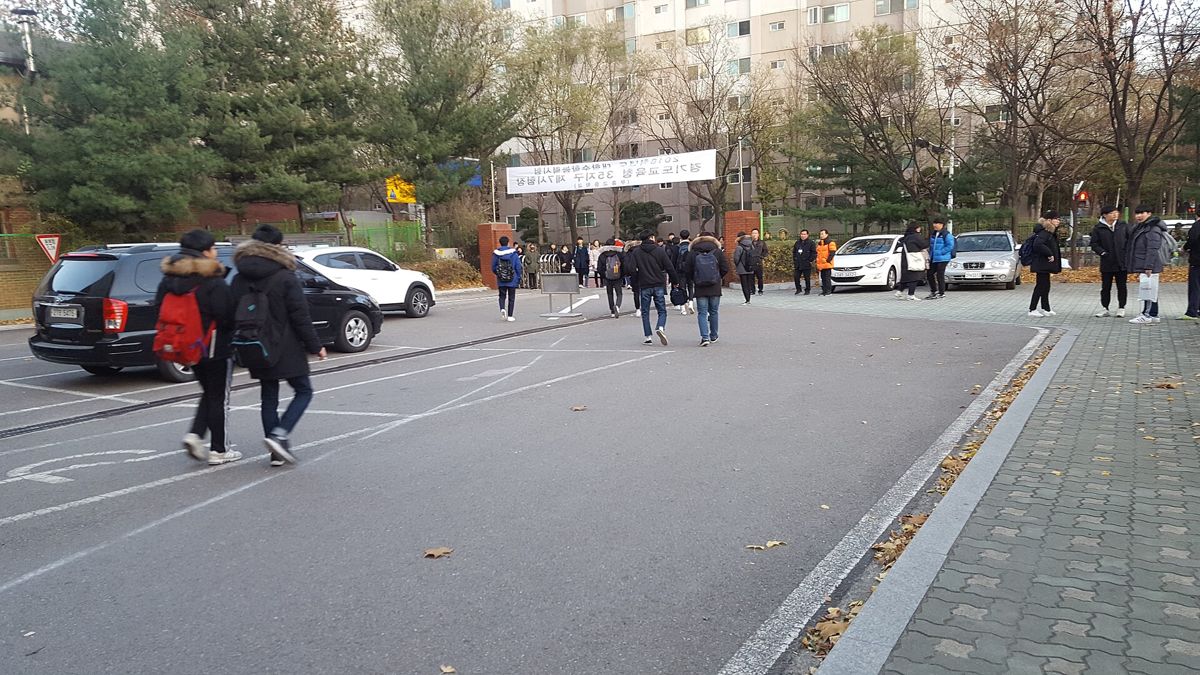
The education ministry said 111 cases of unauthorised smart devices were identified during the exam. Officials said nearly half of them were detected through the emergency alerts. Reports differ on the number of candidates: the ministry's figures put the number of students at about 500,000, while other coverage gave no such total. The exam length is also reported differently, as eight hours in one account and up to nine in another.
At a parliamentary hearing on Monday, 16 November, Choi was asked whether he was confident that authorities could catch cheaters on the day. He said that, given his age, he was not confident he could. His answer drew a public backlash. Teachers' unions had criticised the government's response as belated.
The suneung plays a central role in South Korean life. Its result determines which university a candidate can attend and, many families believe, their career and marriage prospects. President Lee has called for an overhaul of the current exam system, a point that will now fall to his next education minister. The government has said that students caught cheating can be barred from retaking the exam for 10 years and face criminal prosecution.