
South Korea orders island residents to shelter after Russian aircraft approach its airspace
Seoul says the alert was issued pre-emptively, while an earlier message wrongly suggested a North Korean aircraft was involved.
By Juan de la Torre, Seoul
3 min read
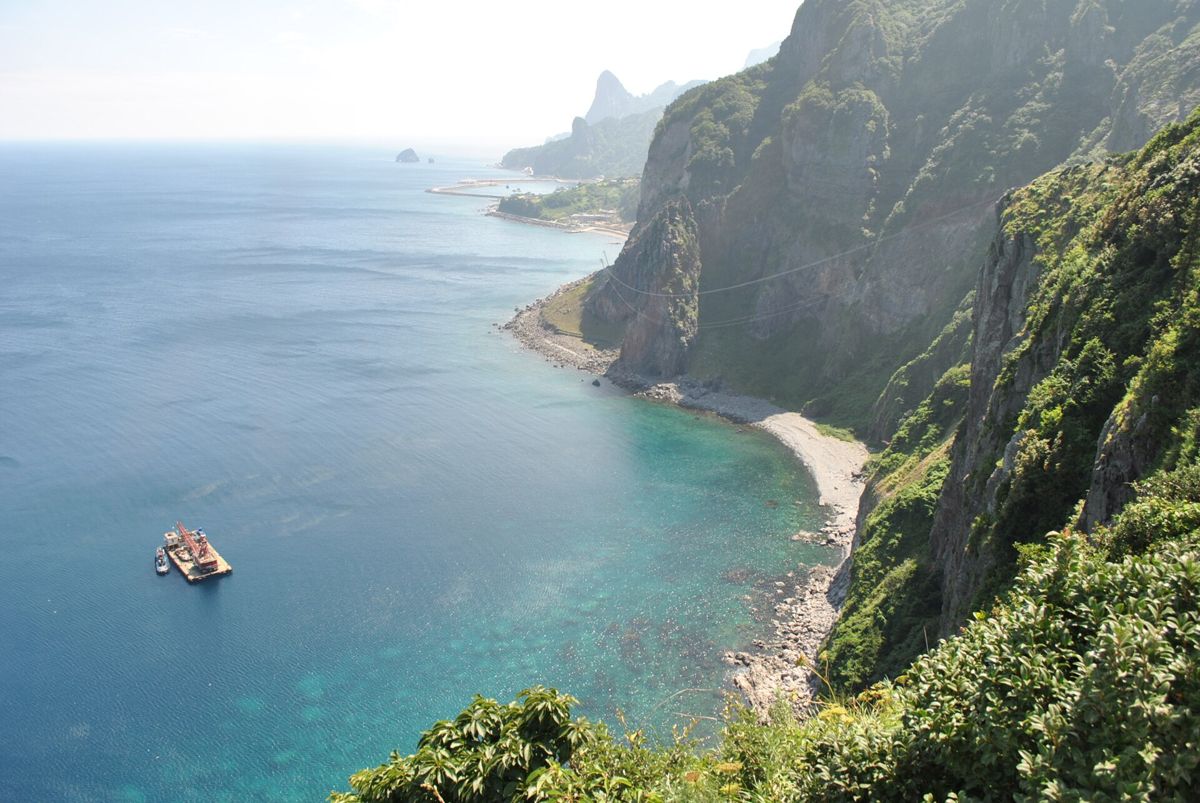
Residents of Ulleungdo, a remote volcanic island in the Sea of Japan, were ordered to take shelter on Tuesday morning after several Russian military aircraft came close to South Korea's airspace. The emergency alert was sent at 7.52am local time, which is 23.52 CET on Monday, and lifted three minutes later, once the aircraft had left the area.
Ulleungdo lies about 120km off South Korea's east coast. Sources give its population as between roughly 8,700 and 9,000. South Korea calls the Sea of Japan the East Sea.
The Joint Chiefs of Staff (JCS), the military command that oversees South Korea's armed forces, said Russian aircraft had entered the country's air defence identification zone (ADIZ). This is a buffer area beyond national airspace in which states identify incoming military flights early. The JCS said about five aircraft were involved. South Korean fighter jets were scrambled. A JCS spokesperson, Jang Do-young, said the aircraft had come "to the point just before violating Ulleungdo's airspace". Because military aircraft move quickly, he said, a violation was anticipated, so the warning was issued to protect residents. Airspace was not violated in the end, according to the JCS.
The Ministry of the Interior and Safety sent the alert, and television broadcasts carried on-screen instructions to move to nearby underground shelters. Confusion followed. The government of North Gyeongsang province, which administers Ulleungdo, sent a second message saying a flying object "presumed to be a North Korean aircraft" had left the danger zone. The province said it had mistakenly reused wording from its routine drill messages and changed only the time. South Korea later corrected the message to say no North Korean jet was involved.
Some residents said they ran outside when the alert arrived, while others said they heard no sirens because their windows were shut against the cold and strong winds. One resident said an elderly relative had phoned to ask whether war had broken out.
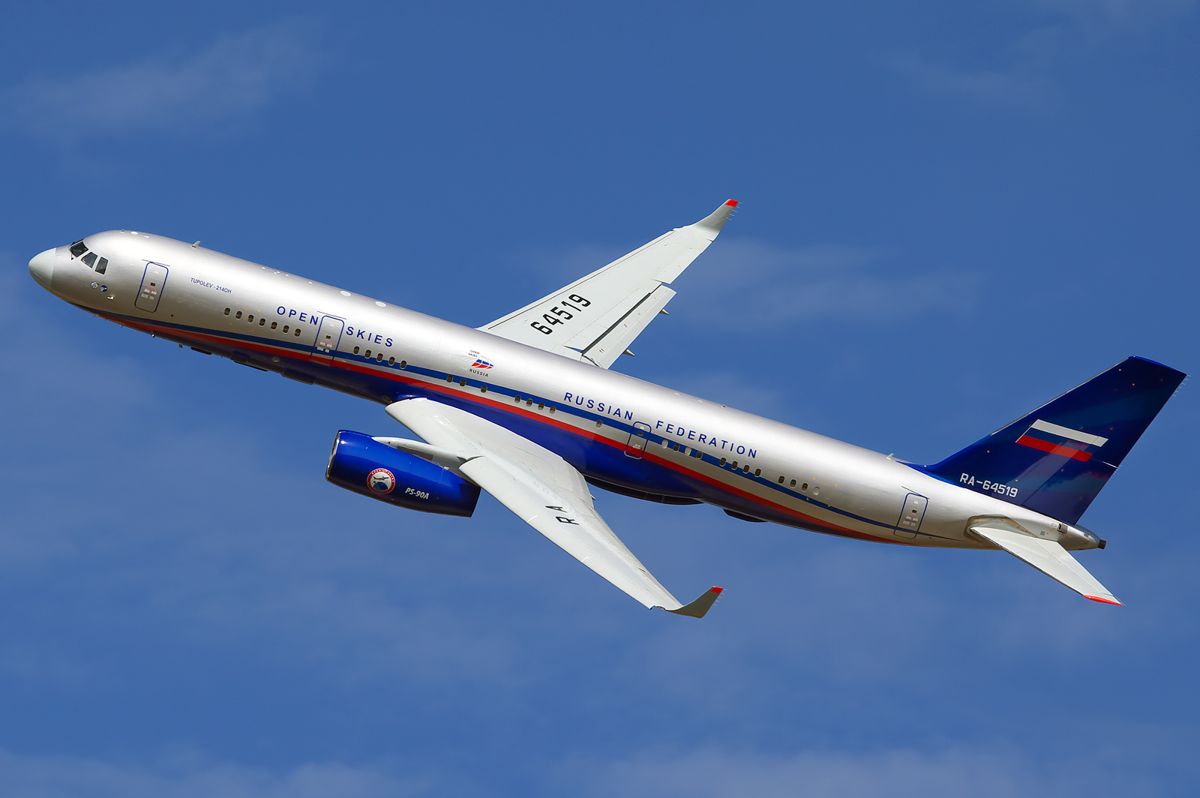
The Ministry of National Defence called in Russia's military attaché, Nikolai Marchenko, to lodge a formal complaint. The Ministry of Foreign Affairs said it had conveyed its regret to Russia and urged measures to prevent a repeat. It sent the message to the Russian embassy in Seoul but did not summon the ambassador, according to diplomatic sources.
Tuesday's incident was at least the fourth entry by Russian military aircraft into the zone this year, and the second in a week. Reports differ on the exact total. Russia does not recognise South Korea's authority over the zone and argues that it has no basis in international law. Under international practice, aircraft file flight plans in advance, but entering a zone without notice does not in itself breach international law. Japan has also protested to Moscow after saying two suspected Russian aircraft entered its airspace off its south-western coast.
The two Koreas remain technically at war, as the 1950-1953 conflict ended in an armistice rather than a peace treaty. Russia is close to North Korea, which sent troops to support Russia in its war in Ukraine, and South Korea has joined Western sanctions against Moscow. Even so, President Lee Jae Myung of South Korea and Russian President Vladimir Putin held a 10-minute meeting last week on the sidelines of the Asia-Pacific Economic Cooperation summit. They agreed to pursue cooperation where possible and to ease tensions on the peninsula, an official in Seoul said, speaking on condition of anonymity.