
Bill to implement UK-EU deal would let ministers enact closer ties later
The legislation gives London Swiss-style consultation rights on EU rules, but no vote, and sets a 10-year termination clause with costs for either side.
By Juan de la Torre, London
3 min read
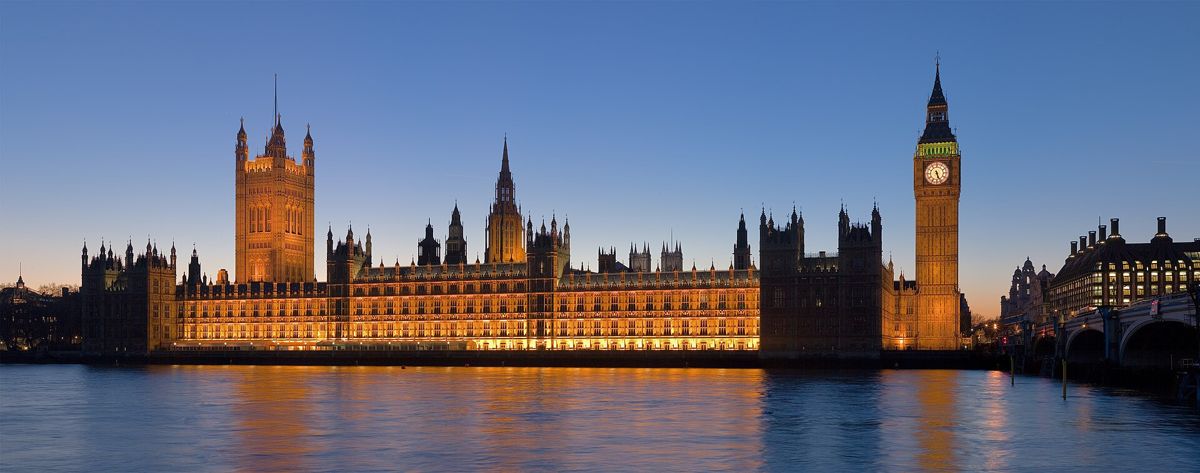
The UK government has introduced a bill in Parliament to write its post-Brexit trade deal with the European Union into law. The texts of the underlying agreements were published on Thursday, 26 November, a week after negotiators reached the deal at a summit with Brussels last Friday. Ministers call the legislation the “Cutting Costs Bill”.
The deal has two parts. The first covers food and drink and would align UK rules with most EU sanitary and phytosanitary standards, which the government says would remove the need for many costly border controls. The second would reconnect the UK and EU emissions trading systems, shielding businesses on both sides from carbon taxes. Neither takes effect before 2028, and the emissions deal follows that year. A separate youth mobility agreement, with a total of 100,000 youth visas, is still to be published, and it is tied to the food and drink deal.
The bill is a “framework bill”. It allows future agreements to be designated as “partnership treaties” and enacted through the same legislation, which would cover a planned common energy market that both sides have started to work on. It does not allow the UK to rejoin the single market, the customs union or the EU as a whole.
Under the texts, Britain gets what officials describe as Swiss-style consultation rights. The UK can take part in designing EU rules at every stage, including through expert discussions and committee meetings, rather than only when rules are finalised. However, it has no vote and no formal role in EU decision-making, even on emergencies such as animal disease outbreaks. Joël Reland, a senior research fellow at the think tank UK in a Changing Europe, compared the position with Switzerland, which takes part in early consultation but still applies EU law itself. He said parliament would have “some notional power to resist”, though he doubted that would be used given the size of Labour's majority. UK officials say the UK can seek independent arbitration. The EU can also pass temporary laws to protect the bloc if it cannot agree with the UK on a particular issue.
The agreement includes a 10-year termination clause. If either side ends the food and drink deal, it must pay “reasonable and proportionate” costs to rebuild border infrastructure. Opposition leader Kemi Badenoch has said she would scrap the deal, while Reform UK leader Nigel Farage has suggested he would refuse to pay.
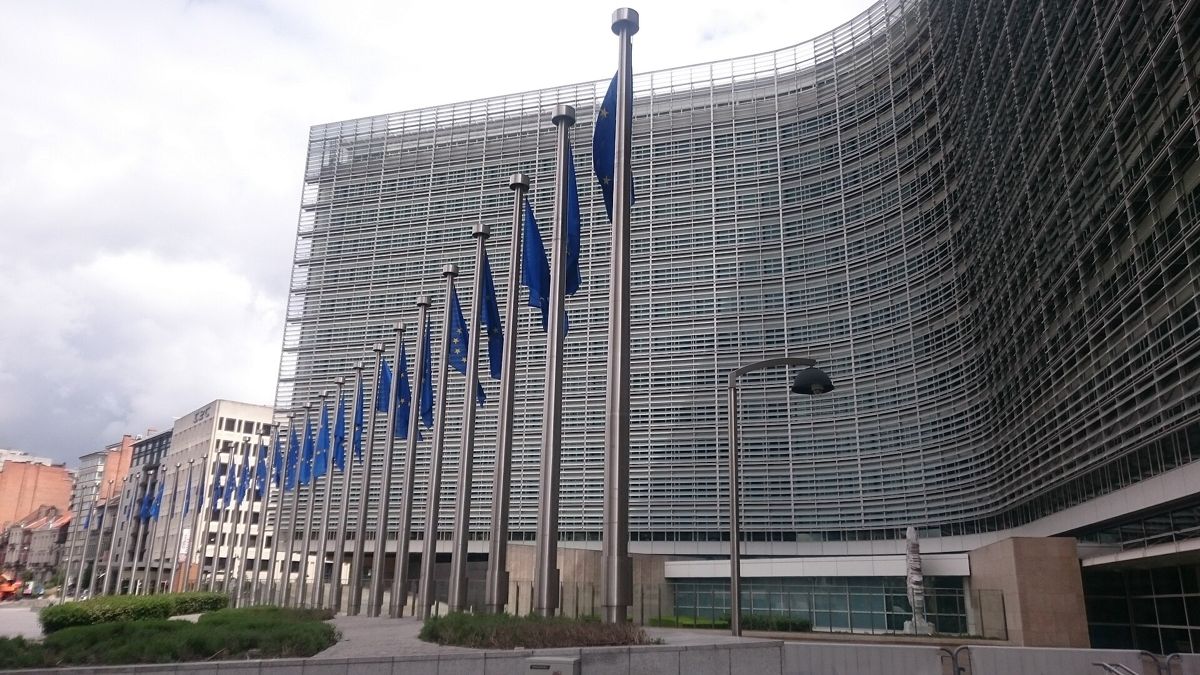
Hamish Falconer, the Cabinet Office minister who led the negotiations, wrote to opposition parties on Thursday asking them to back the bill. “The status quo is not working,” he wrote. The government says the food and drink deal could lift agricultural exports by about 16% and add up to £5.1bn a year to the economy by 2040. An internal analysis forecasts a similar rise in exports of major farm products, although it is unclear whether lower costs will reach shoppers.
The deal has also become entangled in a dispute over university fees. EU sources have said the three main agreements will not take effect until the two sides settle the fees that EU students pay at UK universities. UK officials deny the link and say the matters are separate. European Commission president Ursula von der Leyen described the fees agreement as “a separate piece of paper”, a point Prime Minister Andy Burnham cited in Parliament on Wednesday.