
China reserves right to take ‘necessary measures’ over new US tariff proposals
Beijing calls the proposals political manipulation as Brazil and the EU also object to levies on 14 trading partners that are not expected to take effect until next year.
By Juan de la Torre, Beijing
3 min read
China has said it reserves the right to take “necessary measures” after the administration of US President Donald Trump proposed new tariffs on goods from China and 13 other major trading partners. The proposals were announced on Wednesday by the US Trade Representative (USTR). The other jurisdictions include the European Union, Japan, South Korea, Taiwan and India. China faces one of the highest rates on the list.
The proposals follow an investigation that the White House began in March, after the US Supreme Court ruled that Trump’s earlier “Liberation Day” tariffs were illegal. The new duties rely on a law that allows the president to target countries that the US has found to engage in unreasonable or discriminatory trade practices. They are not expected to take effect until next year. Stakeholders will be consulted and a hearing is scheduled for 25 January. The figures for China’s top rate differ between accounts, so this story does not give a single figure.
In Beijing, the commerce ministry spokesman, He Yadong, urged Washington to correct what he called erroneous practices and return to dialogue. He said: “China will closely monitor developments and reserves the right to take necessary measures to firmly defend its legitimate rights and interests.” The foreign ministry spokesperson, Guo Jiakun, described the tariffs as “political manipulation” and said the claim that China produces more than it can consume was false. He also said that “a tariff war or a trade war serves no party’s interests.”
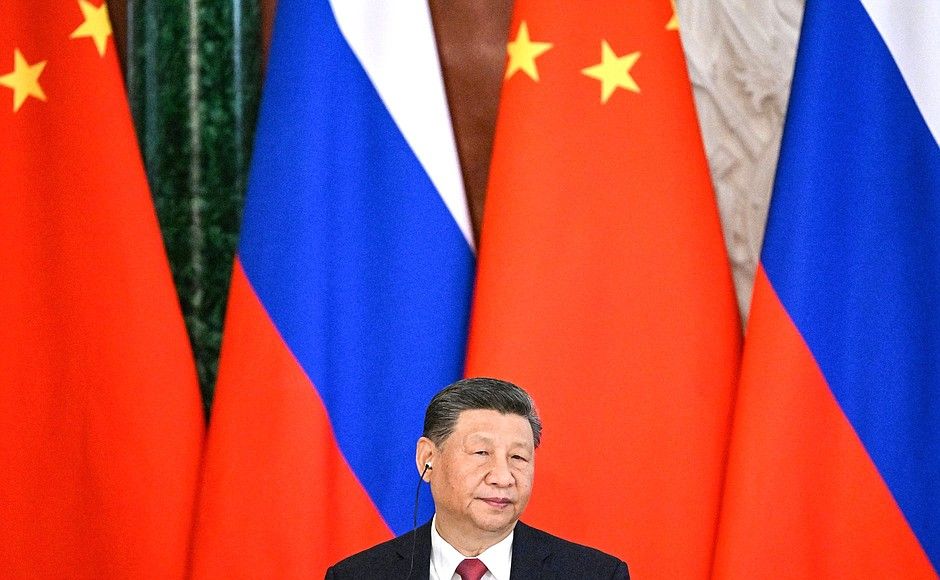
China’s embassy in Washington rejected the claim that the country is a source of excess capacity, calling the idea a pretext for political manipulation. Dan Wang, a director at the consultancy Eurasia Group, said the move would not surprise Beijing. Trump met China’s President Xi Jinping in Shenzhen last week, and the two countries’ trade truce is set to expire on 10 January 2027. Trump and Xi are expected to meet again in Miami on the sidelines of the G20 summit in December. Wendy Cutler, a former senior US trade negotiator, said Beijing appeared prepared to accept the new rates as long as they did not exceed 20%.
Brazil’s government, led by President Luiz Inácio Lula da Silva, said it would not give in to this kind of threat. It objected to higher duties on raw and refined sugar and a new 10% tariff on aircraft, which would hit Embraer, the country’s largest aircraft maker. Brazil said it could adopt retaliatory measures.
The European Commission rejected the premise of the new tariffs and said the EU had expected the US to honour last year’s trade deal. Its spokesperson, Olof Gill, said the two sides shared a concern about global overcapacity but regretted the lack of joint action. Japan called the proposed measure targeting it regrettable. Singapore said it disagreed with the US findings. South Korea’s trade minister said a proposed 15% rate was a fair outcome, since it matches a limit agreed earlier. Taiwan said it was confident it would keep its existing 15% rate. India denied that it had structural excess capacity in any sector.
Some economists were sceptical about the effect of the measures. Stephen Brown of Capital Economics said the announcement looked less alarming than it seemed, because the new duties largely replace tariffs announced in the summer. He added that the new tariffs would still provide a marginal boost to prices. Derek Scissors of the American Enterprise Institute argued that the proposal barely raises existing tariffs on China and would make no difference to its trade behaviour.